
Government Makes Job Absorption the Primary Condition for Investment Incentives
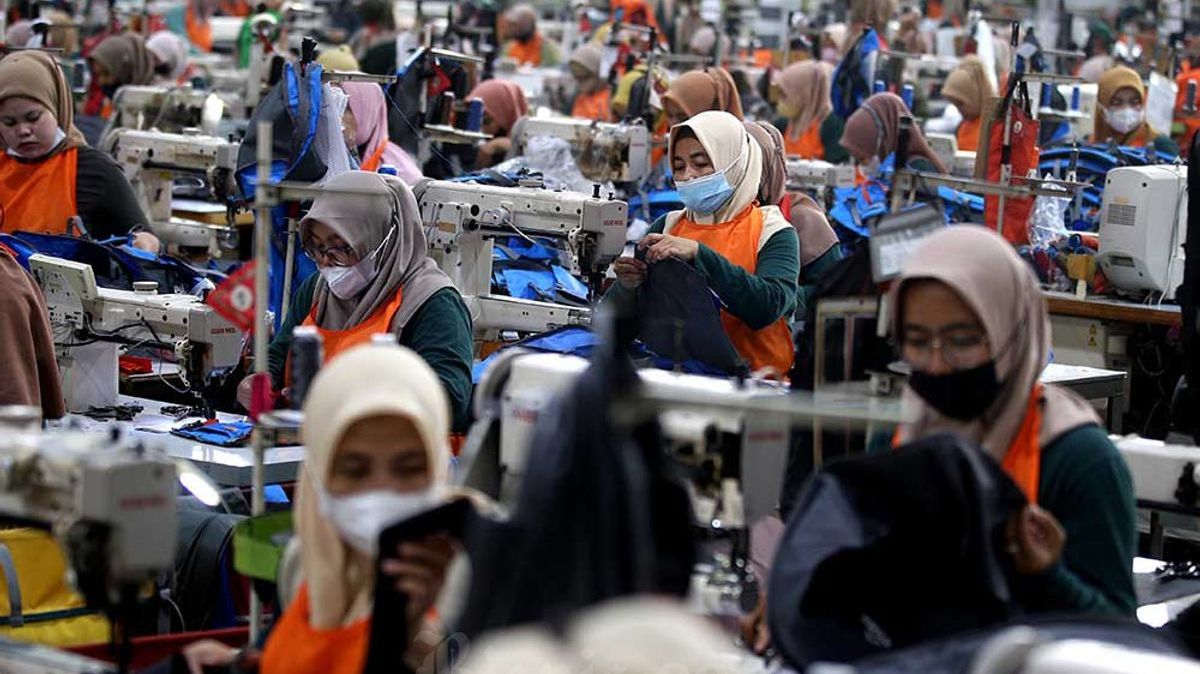
The Minister of Investment and Downstreaming/Head of BKPM, Rosan Roeslani, has established job absorption as the primary parameter for providing fiscal incentives to investors on Thursday (23/4/2026). This policy shifts the government’s previous focus, which solely emphasised the magnitude of capital invested in Indonesia. According to Ekonomi, the new scheme aims to encourage the revival of labour-intensive sectors through more inclusive fiscal support. The government is beginning to assess the eligibility of state support based on socio-economic impacts and the creation of employment opportunities for the wider community. “Our parameter is not solely that we provide incentives because of large investments, but we also look at the aspect of job absorption,” said Rosan Roeslani, Minister of Investment and Downstreaming/Head of BKPM. This shift in focus is evident in the US$100 million coconut processing project in Morowali, which has a high job creation ratio. Meanwhile, the investment value of that project is relatively much smaller compared to other conventional mineral downstreaming projects. Vice Chairman of the Indonesian Employers Association (Kadin) for Labour Affairs, Subchan Gatot, considers this step appropriate to address the national employment situation. According to him, the textile, footwear, garment, and furniture industries will be the sectors most responsive to this policy. However, the business world highlights challenges related to productivity and labour costs that must remain balanced. The issue of skill mismatch between workers’ expertise and industry needs is also seen as an obstacle that needs to be addressed by the government. Similar support comes from the President of the Nusantara Trade Union Confederation (KSPN), Ristadi, who describes labour-intensive sectors as a pillar for the 7 million unemployed. The garment industry is considered crucial because it can absorb low-educated workers who find it difficult to enter high-tech sectors. Economist from Core Indonesia, Yusuf Rendy Manilet, warns of the risk of moral hazard if companies only add workers without improving efficiency. Yusuf emphasised that this policy must be accompanied by strategies to open markets and protect domestic products from the onslaught of imported goods.