
Government launches single-window export system via PT DSI today
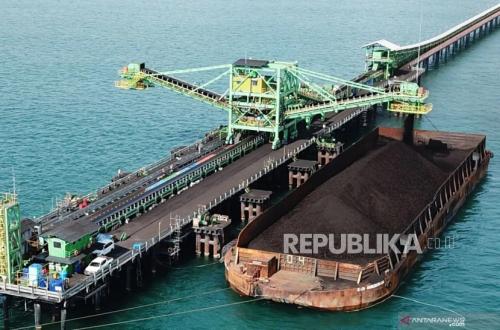
The Indonesian government will implement PT Danantara Sumberdaya Indonesia (DSI) as the single-window export agency from June 1, 2026. The initial phase will cover three key commodities: coal, palm oil, and ferro alloy.
“Implementation will take effect from June 1, 2026, marking a transitional period where export activities will continue as usual for companies. However, exporters will be required to report their activities through or to PT DSI, the state-owned export agency,” said Coordinating Minister for Economic Affairs Airlangga Hartarto during a press conference on PT DSI operational preparations in Jakarta on Sunday (May 31, 2026).
Airlangga stated that reporting will be handled by the Directorate General of Customs and Excise (DJBC) via the Ceisa 4.0 portal. The implementation will be evaluated over the next three months.
“This initial three-month period will undergo continuous evaluation, which will form the basis for subsequent implementation phases,” he added.
Full implementation is scheduled to take effect by January 1, 2027 at the latest. “This provides businesses, exporters, and related parties sufficient time to adjust,” he explained.
Airlangga explained that the initial phase will focus on three strategic commodities: coal, palm oil, and ferro alloy. According to records, these commodities contributed $66.13 billion, or 23.4% of total national exports in 2025.
“These three strategic commodities have underpinned 71 consecutive months of trade surplus, with coal exports valued at approximately $24.48 billion, palm oil/CPO at $24.42 billion, and ferro alloy at $16.49 billion,” he added.
With the implementation of the single-window export system, Airlangga hopes the policy will ensure business certainty, smooth cargo flows, and export realisation. He also noted that existing contracts must be respected in line with agreements between exporters and trade partners.
“This policy affirms the state’s role in managing strategic natural resources in a coordinated and accountable manner, optimising exporters’ contributions to the national economy. The government will ensure a smooth, measured transition while maintaining a stable business climate and enhancing trust with international trade partners,” he concluded.