
Government Intensifies Weather Modification to Prevent Forest Fires and Drought
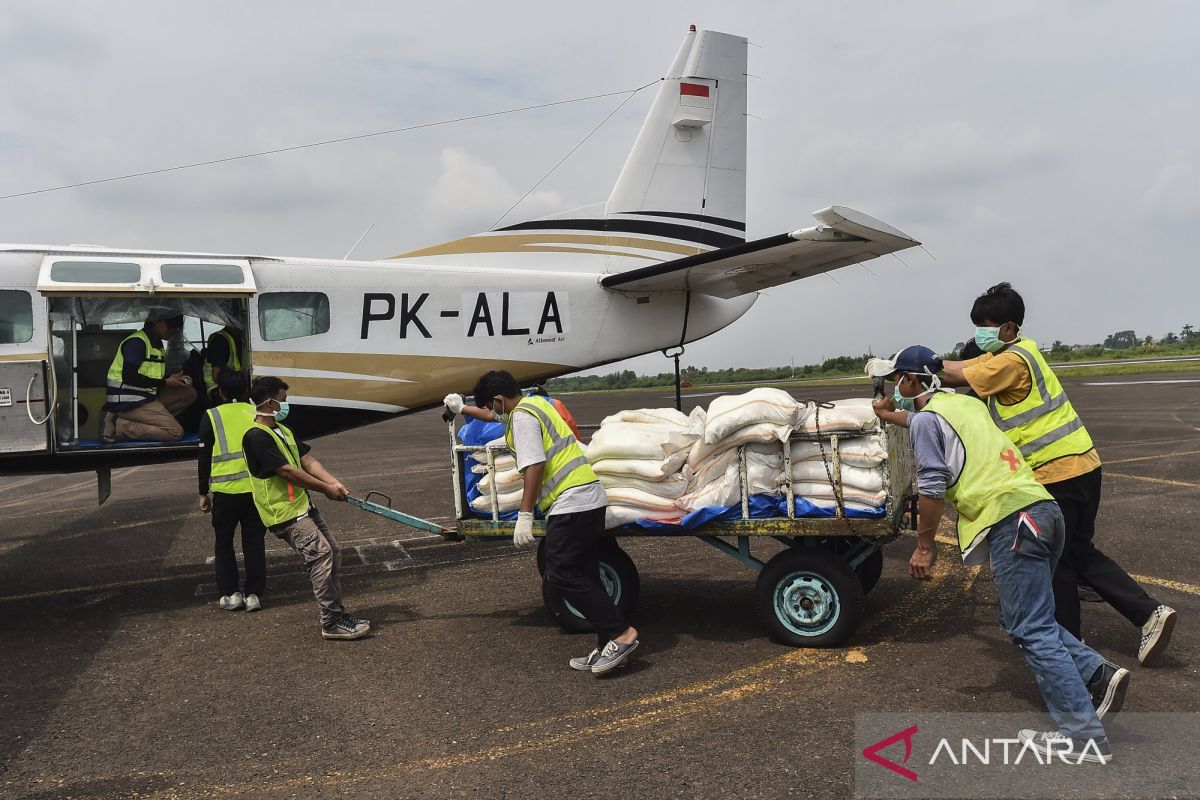
The government, through the Meteorology, Climatology and Geophysics Agency (BMKG), is intensifying the implementation of Weather Modification Operations (OMC) in a number of strategic areas to mitigate the risk of forest and land fires (karhutla) and the threat of drought due to the El Niño phenomenon. Deputy for Weather Modification at BMKG Tri Handoko Seto, during a press conference in Jakarta on Thursday, said the implementation of OMC is prioritised for regions that require a higher supply of rainfall to maintain the moisture of essential lands, particularly mineral and peat soils, and to replenish reservoir water reserves. “Weather modification operations are currently being carried out for karhutla mitigation in several places, such as in Pekanbaru which just started today and in Palangkaraya which is also ongoing,” he said. Besides Riau and Central Kalimantan, he continued, a similar series of operations had previously been completed in Aceh Province and South Sumatra as part of the emergency response scheme on the ground. Throughout this year’s modification efforts, BMKG has recorded the realisation of 17 operational projects for karhutla, covering 169 days of operations and 290 flight sorties in vulnerable areas. In addition to handling karhutla, BMKG is also focusing weather modification operations on filling lakes and reservoirs in water catchment areas, such as Lake Toba in North Sumatra and Lake Poso in Central Sulawesi, to maintain the availability of clean water for the public. “The deployment of personnel, aircraft, and seeding materials in Bandung was carried out quickly after operational support was issued by the Commander of the Indonesian National Armed Forces (TNI) to maintain the reliability of the water supply in strategic reservoirs in the West Java region,” he said. He confirmed that BMKG is ready to strengthen the weather modification ecosystem through intensive synergy with the National Disaster Management Agency (BNPB), the Ministry of Environment (KLH), the Ministry of Forestry (Kemenhut), local governments, and the TNI-Polri, in order to minimise the socio-economic disaster impacts during the 2026 dry season.