
Government Implements WFH for Civil Servants and Private Sector After Eid
Jakarta (ANTARA) - The government has confirmed the implementation of a work from home (WFH) policy starting after Eid, as an effort to save energy amid the rise in global oil prices.
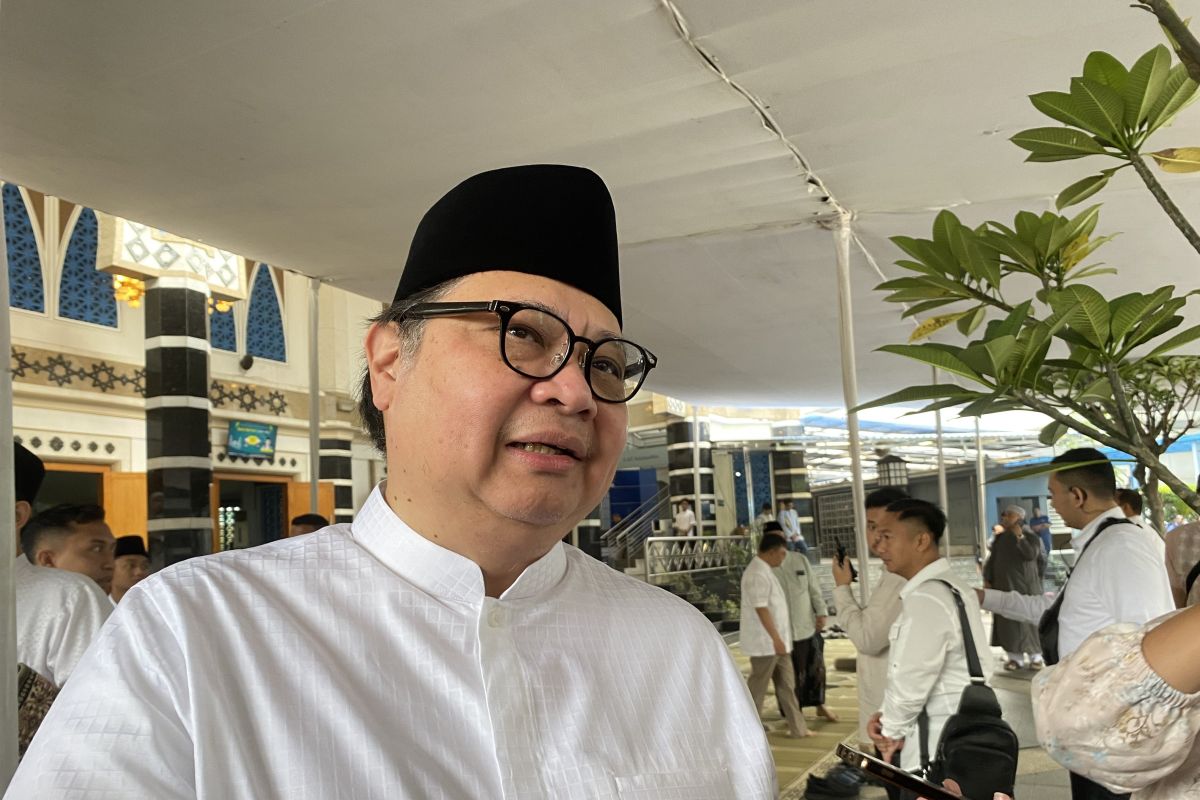
Coordinating Minister for the Economy Airlangga Hartarto stated that this policy applies to Civil Servants (ASN) and is also recommended for the private sector.
“(The WFH regulations) will be detailed. But after Eid, we will implement it. For ASN as well as recommendations for the private sector. But not for those working in public service sectors,” Airlangga said when met after Eid prayers in Jakarta on Saturday.
Airlangga emphasised that the WFH policy will only apply for one day per week.
He added that the government will also coordinate with the Ministry of Manpower and the Ministry of Home Affairs to ensure effective implementation.
At the same location, Finance Minister Purbaya Yudhi Sadewa revealed that implementing WFH for one day can provide energy efficiency impacts, particularly in saving fuel oil (BBM).
“There is a very rough calculation… (WFH can save) one fifth, approximately 20 percent (of BBM usage),” said Purbaya.
He explained that the reason for implementing this policy only one day is to maintain a balance between work flexibility and productivity.
“Then it would be continuous holidays. Then no work would get done. Well, WFH, sometimes there are things that can’t be done well with WFH,” he said.
Purbaya added that if WFH is implemented one day, for example on Friday, it will create a longer weekend sequence, namely Friday–Saturday–Sunday. This is seen as able to encourage household activities while providing a small boost to the tourism sector.
Previously, in a cabinet meeting at the State Palace in Jakarta on Friday (13/3), President Prabowo Subianto encouraged steps to save BBM consumption and consider the work from home (WFH) policy as an anticipatory measure against the impact of the global crisis.
“I ask that this be discussed later, perhaps by the Coordinating Ministers, how many days we see. We think about it. Previously we overcame COVID, we succeeded. And we were able, many worked from home, efficiency, meaning we saved a very large amount of BBM,” said Prabowo.
Several other countries have announced energy-saving policies in response to global uncertainties.
For example, Thailand has asked civil servants to work from home to reduce electricity and fuel consumption, limit the use of lifts and escalators, and set room cooling temperatures around 26–27 degrees Celsius.
The Philippines has implemented a four-day workweek system in the public sector, while Pakistan is preparing energy-saving plans through distance learning and work from home arrangements.