
Government Holds Subsidised Fuel Prices, Purbaya Reveals the Reasons
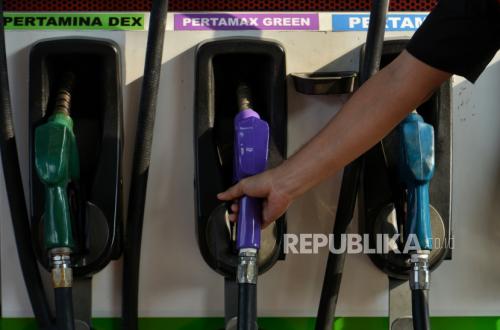
Finance Minister Purbaya Yudhi Sadewa has revealed the reasons behind the government’s decision to hold subsidised fuel prices. The former head of the Indonesia Deposit Insurance Corporation explained that this policy aims to maintain economic momentum and prevent a slowdown. The decision takes into account its direct impact on society, particularly low-income groups. According to him, a fuel price increase would heighten the cost of living for the public, especially those with small incomes, even though it is often seen as a way to expand fiscal space. “The first point is clear: when fuel prices rise, the living burden on the people increases, mainly affecting those with low incomes,” he stated in Jakarta on Tuesday (7/4/2026). Furthermore, from an economic perspective, raising fuel prices would simply transfer the burden from the government to the public. “The second point, from an economic viewpoint, is that it only shifts the burden. If I raise fuel prices, the money goes to the government, but the people have to pay more, and that could slow down the economy,” he added. Purbaya also questioned whether the government could manage the additional fiscal space as efficiently as the public in meeting daily needs. In his view, in the short term, the public tends to be more efficient in using that money. “If the public spends it, it’s according to their needs, so it’s more targeted. If it’s the government, it might be distributed evenly to ministries or institutions, reducing efficiency,” he said. The Finance Minister further emphasised that this policy is in line with efforts to maintain a balance between fiscal stability and public protection amid global uncertainties. He added that the direction of budget efficiency policies will continue to be implemented, but not through energy price increases that could pressure household consumption.