
Government Holds Fuel Prices Steady, Public Transportation Improvements Pushed
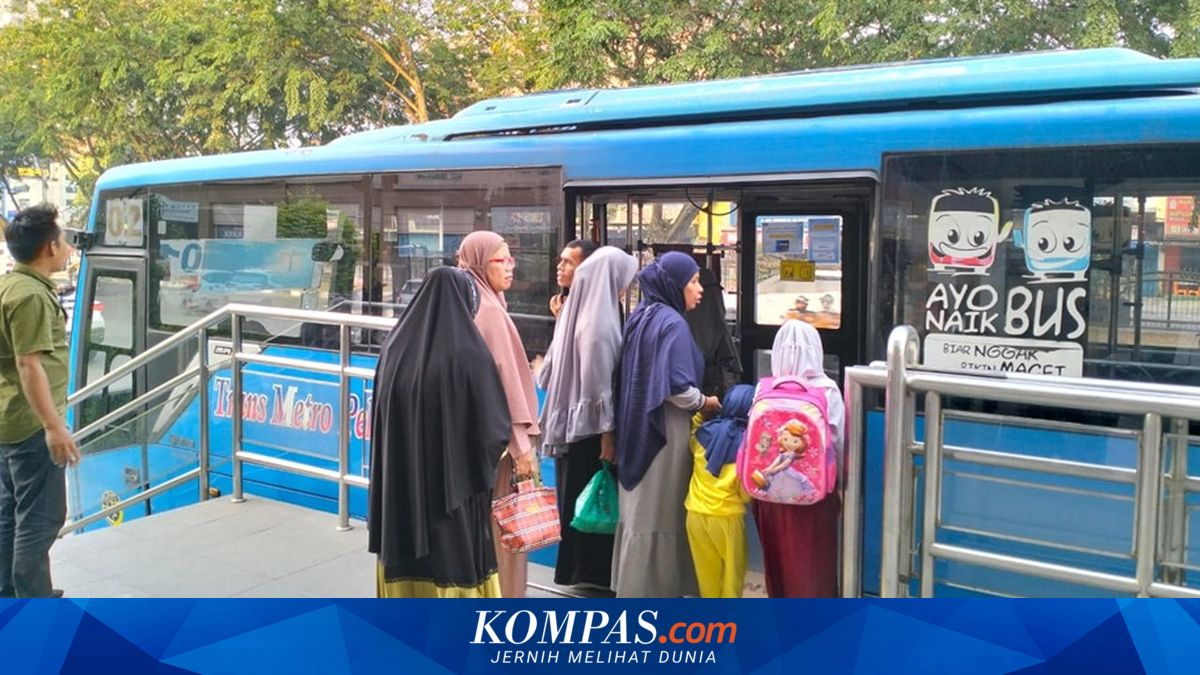
JAKARTA, KOMPAS.com – The government has decided not to raise the prices of fuel oil (BBM), whether subsidised or non-subsidised, from 1 April 2026, amid global dynamics pressuring the energy sector. This policy has received appreciation from Hamka B Kady, a member of DPR Commission V from the Golkar Party. Hamka views the step as demonstrating the government’s commitment to preserving public purchasing power while maintaining national economic stability amid external pressures. He also urged the public to remain calm and avoid excessive fuel purchases that could lead to long queues at petrol stations. Furthermore, Hamka appreciated the performance of the Minister of Energy and Mineral Resources (ESDM), Bahlil Lahadalia, who continues to conduct periodic evaluations of global energy price developments. According to him, such steps are important to ensure that policies taken remain pro-people, especially for vulnerable groups. “Indonesia has found new crude oil sources besides those from the Middle East. Thus, it can be said that domestic fuel stocks are in a very secure condition,” he stated. Further, Hamka emphasised the importance of improving the public transportation sector as part of the strategy to curb BBM consumption. He assessed that improvements to the public transport system by the Ministry of Transportation (Kemenhub) will be key to reducing public dependence on private vehicles while enhancing national energy use efficiency. According to Hamka, public transportation is the main key to suppressing BBM consumption. “Countries that restrict BBM use through various policies are those with poor public transportation,” he said. Conversely, he assessed that countries with good public transport systems tend to have BBM pricing policies that adjust or manage energy reserves more effectively.