
Government holds electricity tariffs steady to protect public purchasing power
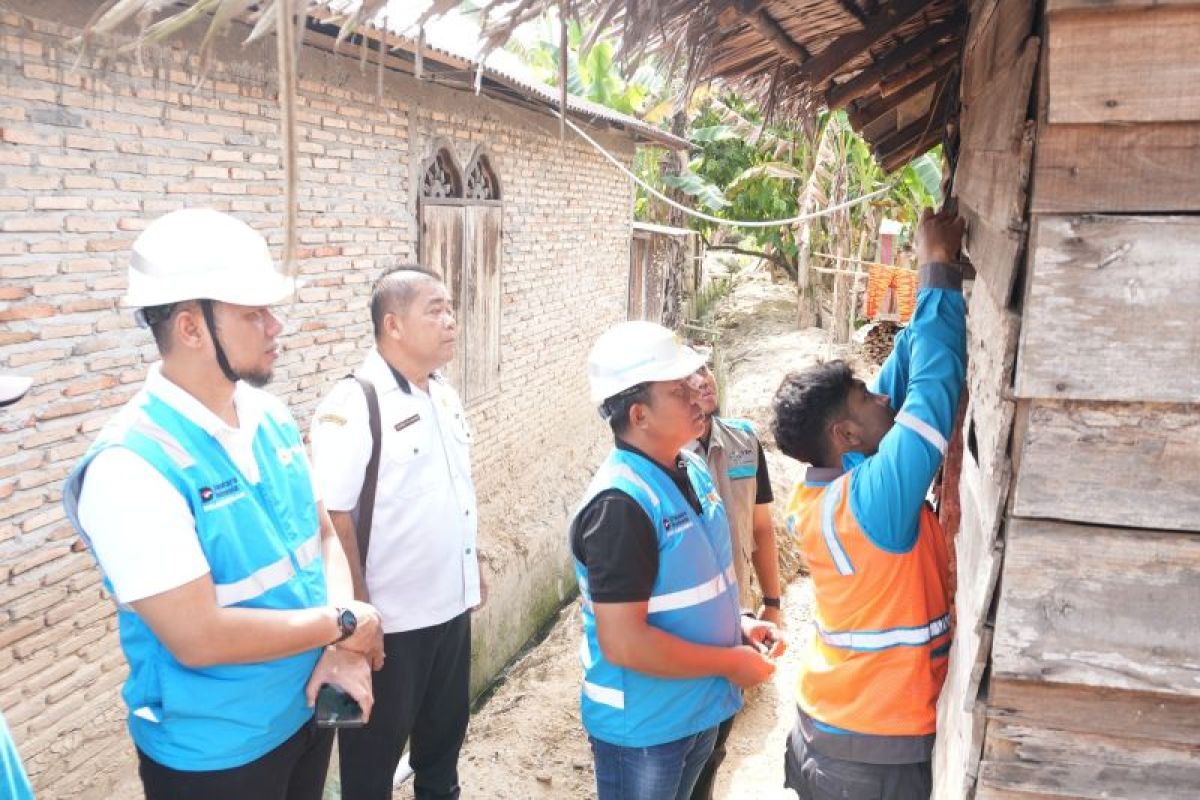
For the government, the top priority is to provide certainty and peace of mind for the public.
Jakarta (ANTARA) - The government is maintaining electricity tariffs for 13 non-subsidised customer groups for the third quarter of 2026 to safeguard public purchasing power amidst global economic dynamics.
“For the government, the primary priority is to provide certainty and peace of mind for the community. One way to achieve this is by not increasing electricity tariffs in the third quarter of 2026,” said the Head of the Indonesian Government Communication Agency (Bakom), Muhammad Qodari, as quoted in a written statement in Jakarta on Monday.
Qodari explained that the decision was made by the government despite the fact that, based on adjustment mechanisms and the development of several economic indicators, electricity tariffs could potentially have increased.
“If referring to the applicable tariff adjustment mechanism, changes in various indicators actually point towards an increase in electricity tariffs. However, the government has decided not to implement tariff adjustments because maintaining economic stability and public purchasing power is the main priority,” he said.
According to him, the determination of electricity tariffs for non-subsidised customers refers to the Minister of Energy and Mineral Resources Regulation Number 7 of 2024. This regulation evaluates tariffs every three months based on the development of the Rupiah exchange rate, the Indonesian Crude Price (ICP), inflation, and the reference coal price.
Based on data from the Ministry of Energy and Mineral Resources for the period of February to April 2026, the Rupiah exchange rate was in the range of Rp16,959.32 per US dollar, the ICP price was 96.12 US dollars per barrel, inflation was 0.21 per cent, and the reference coal price was 70 US dollars per tonne.
In addition to maintaining tariffs for non-subsidised groups, the government also ensured that electricity tariffs for 24 subsidised customer groups remain unchanged.
Subsidies continue to be provided to social customers, low-income households, small businesses, small industries, and MSME (Micro, Small, and Medium Enterprises) actors.
“This decision also provides certainty for the business world. With stable electricity tariffs, business actors can be more confident in planning production activities and investments, ensuring that economic activities can continue to run smoothly,” said Qodari.
He added that moving forward, the government will continue to closely monitor global and domestic economic developments to ensure that every policy remains targeted and provides real benefits to all layers of society.