
Government Holds Back Aircraft Ticket Price Increases Amid Surge in Global Jet Fuel Prices
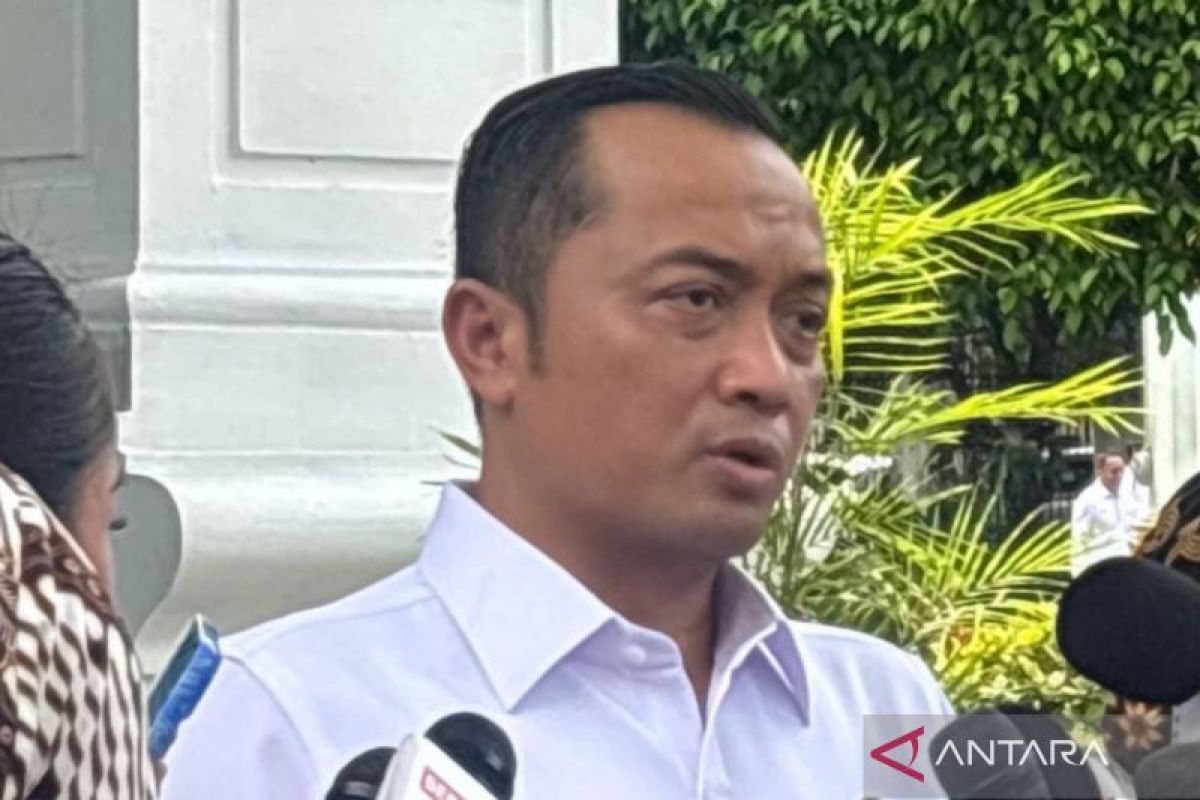
Jakarta - The government is striving to maintain the stability of aircraft ticket prices amid a rise in global avtur prices, which directly affects airline operating costs. State Secretary Minister Prasetyo Hadi stated that the surge in global avtur prices is unavoidable and is one of the main factors driving the potential increase in flight fares. “It cannot be denied that global avtur prices have indeed risen, and if we detail it with figures or percentages, the increase is quite significant. As a result of the avtur price hike, one of the impacts is the potential rise in, for example, aircraft tickets,” Prasetyo said at the Presidential Palace Complex in Jakarta on Wednesday. According to him, the government is seeking a balance between the global energy price mechanism and protection of public purchasing power as well as high mobility. He said that excessive increases in aircraft ticket prices could suppress economic activity because they affect public movement and inter-regional economic distribution. “The government is seeking formulas to achieve or find a balance between world oil market prices, but the impact should not, in quotes, be too great in affecting the public,” he explained. As a mitigation step, the government has previously set a subsidy policy to curb the surge in flight ticket prices. Through this policy, the government targets keeping aircraft ticket price increases within controlled limits. To hold back the increase, the government has prepared several mechanisms. First, the provision of tax incentives in the form of government-borne value-added tax (PPN DTP) of 11 percent for economy class tickets. This policy will be implemented for two months and will be further evaluated following developments in the geopolitical situation in the Middle East. The second mechanism, the government provides import duty incentives of 0 percent for aircraft spare parts components. This incentive is estimated to boost economic activity by around 700 million US dollars per year, increase contributions to gross domestic product (GDP) by up to 1.49 billion US dollars, and create around 1,000 direct jobs. Furthermore, the government is also adjusting the upper limit of fuel surcharge or additional fuel costs. The government has set the upper limit of fuel surcharge at 38 percent for all types of aircraft, both jet-engine and propeller (propeller).