
Government formulates energy-saving strategy in public sector
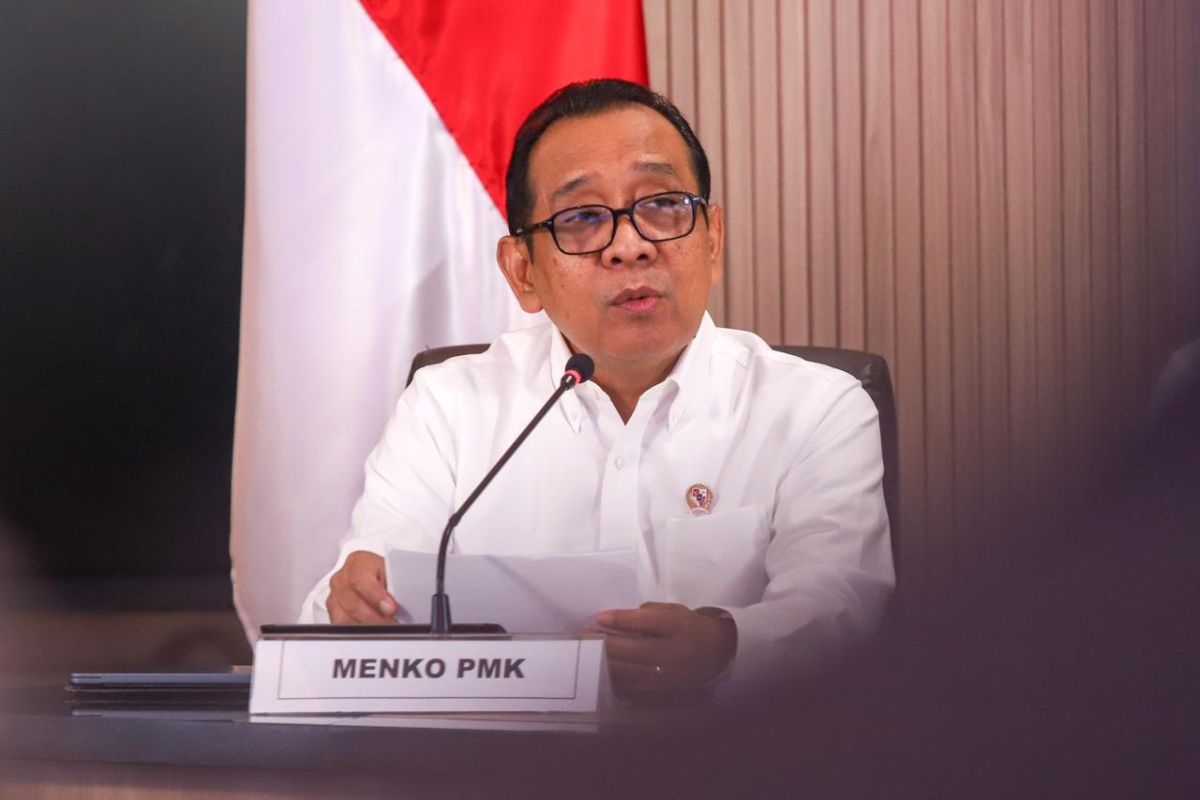
Energy efficiency measures must be formulated in a measured manner and based on data regarding energy consumption and mobility levels in each sector, so as not to cause excessive negative impacts on the public.
Jakarta (ANTARA) — The government is currently developing an energy efficiency strategy in the public sector that encompasses education, health, and public services, as a follow-up to a directive from President Prabowo Subianto.
Coordinating Minister for Human Development and Culture (Menko PMK) Pratikno stated that energy efficiency policy needs to be formulated in a responsive manner and based on data, taking into account lessons learned from mobility management during the COVID-19 pandemic.
“Energy efficiency measures must be formulated in a measured manner and based on data regarding energy consumption and mobility levels in each sector, so as not to cause excessive negative impacts on the public,” said Menko Pratikno in a statement in Jakarta on Tuesday.
This measure was discussed during a Technical Coordination Meeting (Rakornis) on Fuel Efficiency Policy conducted online. Menko Pratikno stressed that the government would ensure energy-saving policies do not disrupt the learning process or other public services.
The approach includes implementing energy-saving strategies in office building operations and adjusting online and offline learning methods in accordance with the characteristics of each subject.
To maintain educational quality, he noted that practical learning activities will continue to be conducted in face-to-face format.
The meeting also identified several strategic issues requiring further discussion, including adjusting the distribution of the Free Nutritious Meal Programme (MBG) should there be changes in student attendance patterns, as well as exploring alternative financing schemes to support internet access for students if online learning is implemented.
“Cross-ministerial and inter-agency coordination is key to ensuring that the energy efficiency policy can run effectively, whilst also ensuring that public services continue to operate optimally,” said Menko Pratikno.
As a follow-up to the coordination meeting results, a report will be formulated for President Prabowo Subianto that contains an overview of energy consumption in the human development and culture sector as well as recommendations for efficiency measures by relevant ministries and agencies.
The meeting was also attended by representatives from the Ministry of Primary and Secondary Education (Kemendikdasmen), Ministry of Higher Education, Science, and Technology (Kemdiktisaintek), Ministry of Religious Affairs (Kemenag), Ministry of State Apparatus Empowerment and Bureaucratic Reform (PAN-RB), Ministry of Health (Kemenkes), and Ministry of Youth and Sports (Kemenpora).