
Government Forms Task Force to Crack Down on Illegal Lobster Seed Smuggling
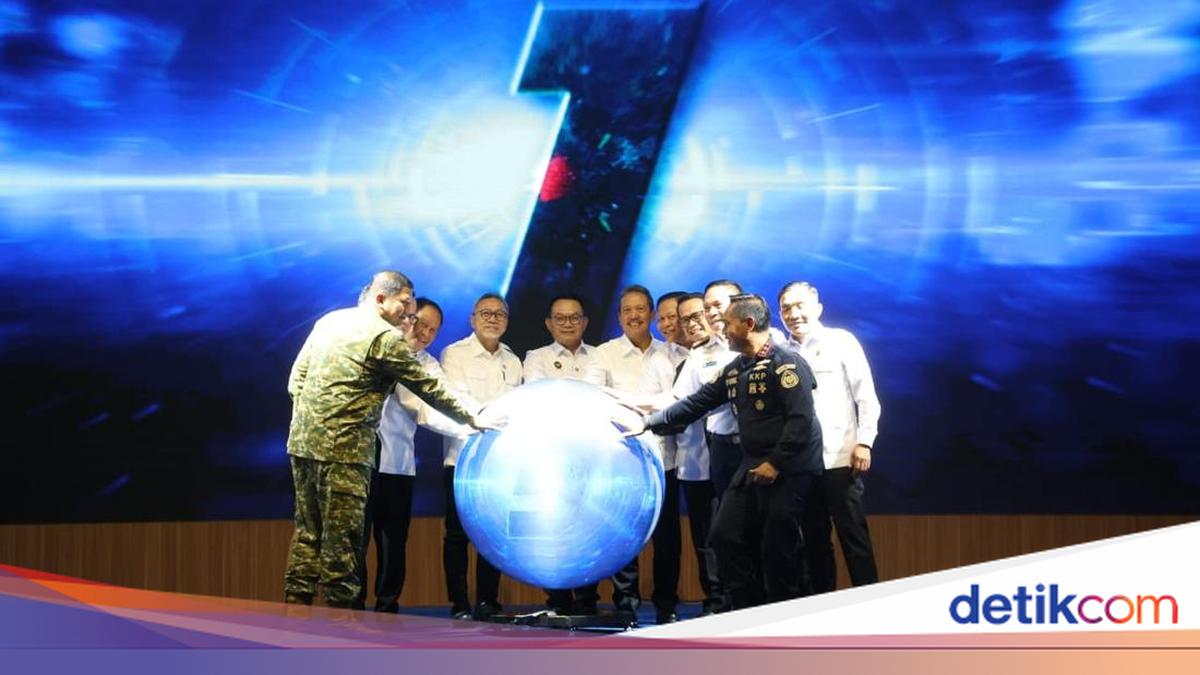
The government has taken decisive action to combat the smuggling of juvenile lobster (benih bening lobster, or BBL) by establishing the Task Force for the Eradication of Illegal BBL Exports (Satgas P2BBL).
The government estimates that the economic losses caused by the smuggling are enormous, reaching Rp30 trillion to Rp40 trillion a year.
The task force was established under Presidential Regulation No. 69 of 2026. It will lead law-enforcement efforts through co-operation among ministries and agencies, as well as law-enforcement authorities.
Co-ordinating Minister for Food Zulkifli Hasan, known as Zulhas, said widespread BBL smuggling was seriously harming the nation, with Indonesia’s marine resources being enjoyed by other countries.
“From our seas, we are losing the potential of enormous resources. Nearly Rp200 trillion in marine-resource potential is lost each year because of theft,” Zulhas said in a written statement on Monday (12 October 2026).
Zulhas said Indonesia had abundant BBL resources, estimated at 465.8 million juveniles a year in waters off West Nusa Tenggara, the southern coast of Java and Sumatra.
With resources on this scale, Indonesia has a significant opportunity to become a leading global lobster producer. However, that potential continues to be held back by widespread illegal smuggling.
Zulhas cited Vietnam, which has become one of the world’s lobster producers despite relying heavily on supplies of juvenile lobster from Indonesia.
“One way to stop it is through concrete, co-ordinated law enforcement by the Satgas P2BBL. We want Indonesian lobster seed to be farmed domestically and to generate added value,” he said.
He said BBL smuggling had three clear harmful effects: the loss of national economic potential, disruption to the development of domestic aquaculture, and reduced benefits from the sea for coastal communities.
The situation presents a serious challenge for the government, which is currently focused on raising the Fishermen and Fish Farmers’ Exchange Rate to 120.
To promote domestic aquaculture, the government has also welcomed the issuance of Minister of Marine Affairs and Fisheries Regulation No. 5 of 2026. The regulation requires all BBL caught to be used exclusively for aquaculture within Indonesia.
Zulhas said that tackling smuggling required strong cross-sector co-operation, particularly as the smuggling syndicates often operated on a large and organised scale.
“Through integrated law enforcement, we must stop this outflow. Indonesian lobster seed needs to become a source of growth and prosperity at home,” Zulhas said.