
Government Forms Special Task Force to Accelerate Trade Negotiations
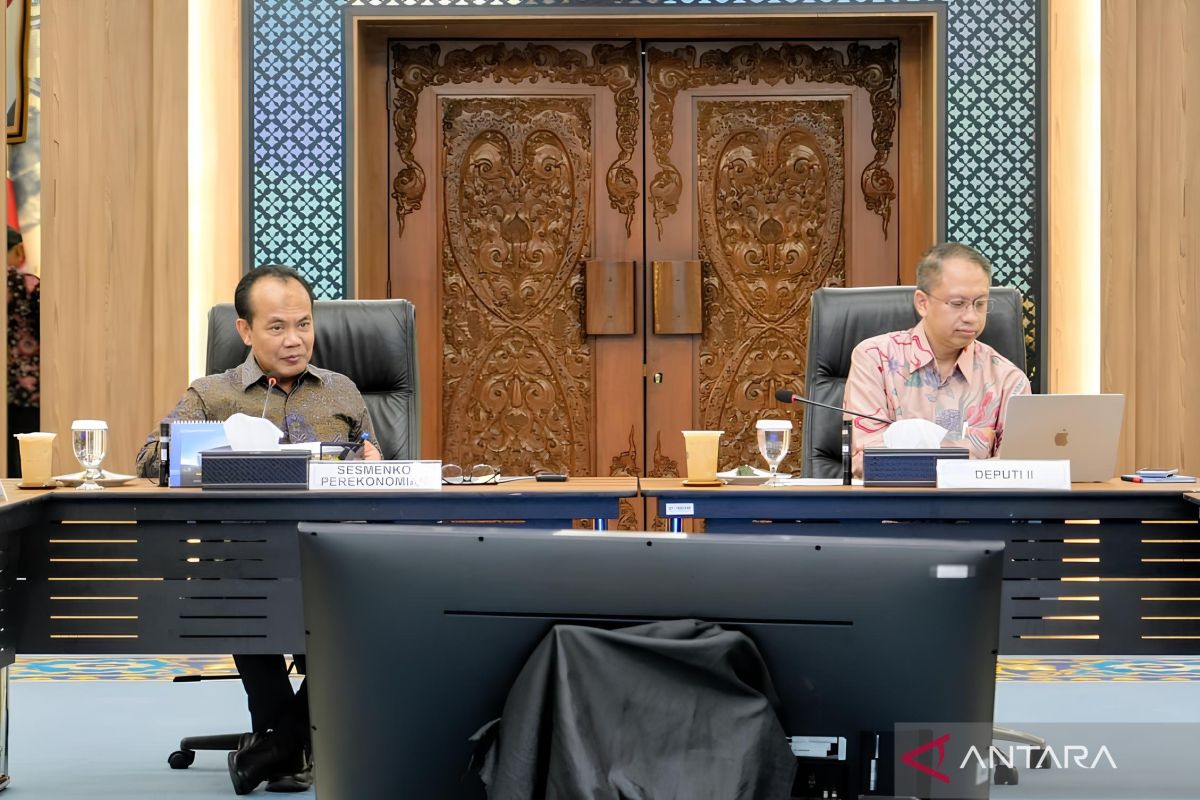
The government has formed a special working group to accelerate the completion of trade agreements and international economic cooperation in support of higher economic growth targets. The working group, named Pokja IV for Economic Cooperation and International Relations, is part of the Task Force for the Acceleration of Government Programmes to Support Increased Economic Growth (P3-MPPE), established through Presidential Decree Number 4 of 2026. Secretary of the Coordinating Ministry for Economic Affairs Susiwijono Moegiarso stated that the working group was formed to optimise economic diplomacy, including speeding up the resolution of various trade agreements and economic partnerships. “Issues of international economic cooperation are very important, especially those related to CEPA, FTA, and tariff negotiations, which greatly influence our economic growth,” Susiwijono said. The working group will play a role in expanding export market access, strengthening international economic cooperation, and encouraging increased investment in Indonesia. Deputy for Economic Cooperation and Investment Coordination Edi Prio Pambudi explained that Pokja IV has three main pillars: market analysis and strategy, diplomacy and coordination, and policy recommendation and implementation. Through the market analysis and strategy pillar, the working group will collect and analyse geo-economic data, identify trade barriers from partner countries, and map opportunities for expanding market access and investment. Under the diplomacy and coordination pillar, the government will accelerate the completion of economic partnership negotiations and strengthen Indonesia’s position in various international forums. For the policy recommendation and implementation pillar, Pokja IV will push for the harmonisation of domestic regulations with global standards, oversee the ratification of international agreements, and resolve various implementation obstacles. Edi added that the government will also strengthen assistance to business actors so they can capitalise on market opportunities arising from various international economic agreements. “We must be proactive in looking at various issues. We also need to champion labour-intensive industries whose markets are now quite large, but we are competing in a narrow market. Therefore, we need to enhance cooperation with business actors so that when our market expands, they can immediately take advantage of it,” he said. During the meeting, an overview was also provided of the Accelerating Core Economics (PACE) Programme Information System, an integrated cross-sector reporting and monitoring information system for international economic cooperation that contains information on types of agreements, validity periods, signatories, areas of cooperation, stages and current conditions, as well as issues faced.