
Government Extends WFH for Civil Servants Until End of September 2026
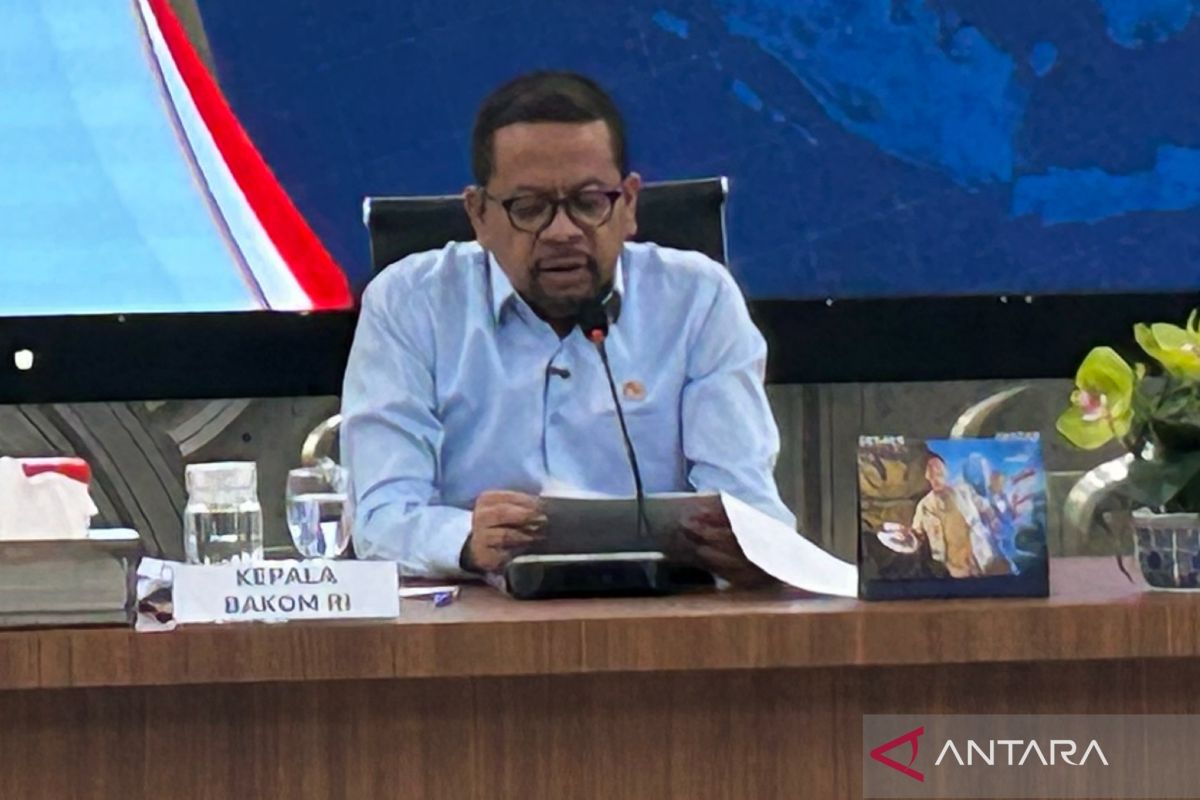
Jakarta (ANTARA) - The government has extended the work-from-home (WFH) policy for state civil apparatus (ASN) by one day a week until the end of September 2026, following an evaluation of the policy’s implementation over the past two months.
Head of the Government Communication Agency (Bakom) Muhammad Qodari stated that the extension is part of bureaucratic reform to make governance more dynamic and capable of responding to changes at the national, regional, and global levels.
“Therefore, after conducting a thorough evaluation over the past two months, the government has decided to extend the WFH period of one day a week from August until the end of September 2026,” Qodari said in a video statement received in Jakarta on Wednesday.
According to him, the policy extension also reflects the government’s commitment to promoting energy consumption savings and improving operational spending efficiency.
Qodari explained that the implementation of WFH is part of a flexible working arrangement for ASN, referring to Presidential Regulation Number 21 of 2023 on Working Days and Working Hours of Government Agencies and ASN Employees.
He stressed that the WFH policy is not merely about relocating the workplace, but about building a more adaptive and results-oriented work culture.
“For the government, this policy is not just about changing the location of work, but about building a more adaptive and results-oriented work culture,” he said.
Nevertheless, the government has ensured that the quality of public services will be maintained while the policy is in effect.
Service units that deal directly with the public, such as public service malls, health services, education, population administration, and licensing, will continue to operate fully on every working day.
“We need to emphasise that units providing direct services to the public, such as malls, public services, health services, education, population, and licensing, will continue to operate fully every working day,” Qodari said.
The government is also implementing more selective official travel controls and encouraging the use of public transport as part of an energy-saving, environmentally friendly, and state budget-efficient work culture.
According to Qodari, the implementation of the policy will be monitored regularly based on performance indicators, public service quality, and organisational effectiveness.
Input from ministries, agencies, local governments, and the public will also be used to refine the policy.
“Through an adaptive and evaluation-based approach, the government is optimistic that this new work culture will produce a more modern, agile, and efficient bureaucracy, as well as better public services,” Qodari said.