
Government expands access to subsidised FLPP mortgages for online motorcycle taxi partners
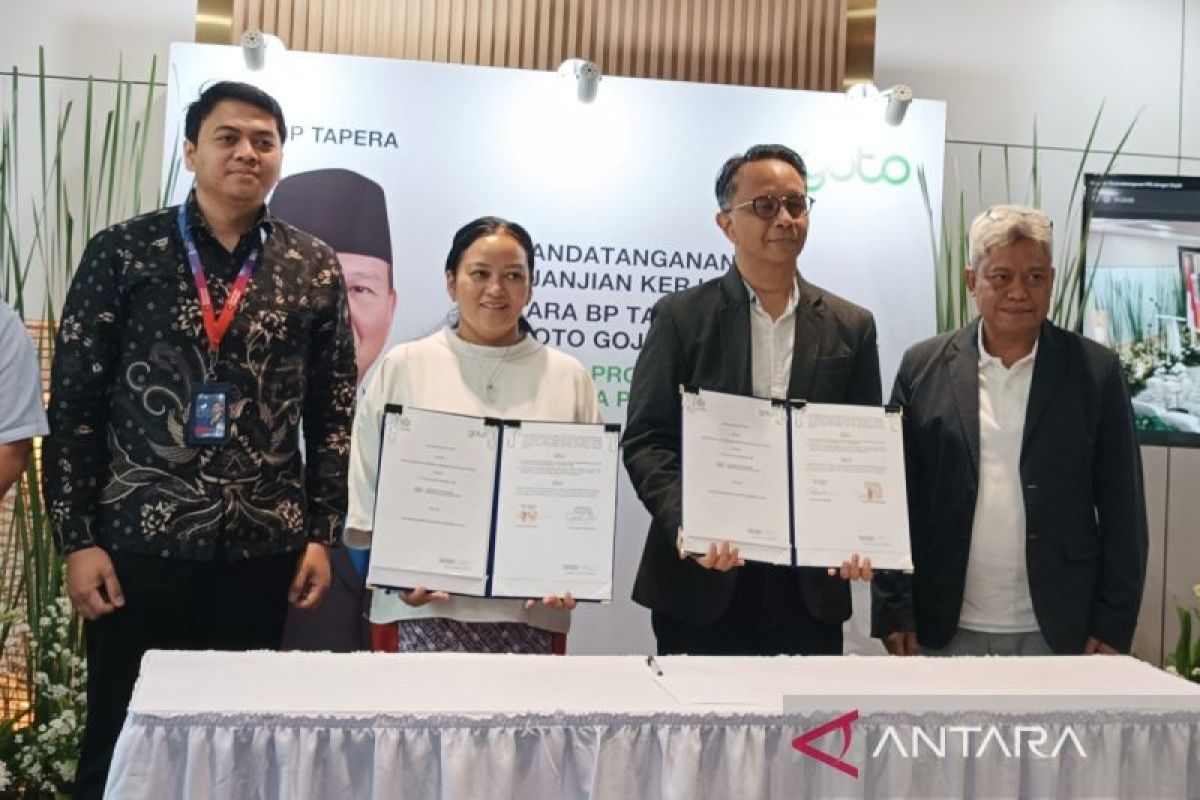
The government is expanding access to first-time home ownership for low-income communities (MBR), including informal sector workers such as online motorcycle taxi partners, through the Sejahtera Home Ownership Credit (KPR) scheme under the Housing Financing Liquidity Facility (FLPP).
“This is a concrete step to open wider opportunities for informal workers to own their first home,” said Sid Herdi Kusuma, Deputy Commissioner for Utilisation at BP Tapera, in Jakarta on Friday.
According to him, BP Tapera is collaborating with PT GoTo Gojek Tokopedia Tbk on a housing programme for driver partners. Through this cooperation, BP Tapera will broaden driver partners’ access to the KPR Sejahtera FLPP programme by strengthening socialisation and education regarding subsidised housing finance.
He stated that various initiatives will be carried out, ranging from delivering information through the partner application, joint socialisation activities, information exchange, publications, to educational campaigns. “So that more driver partners have the opportunity to own a first home that is decent, quality, and affordable,” he said.
Sid Herdi stated that BP Tapera will still carry out the verification and eligibility assessment process for every prospective beneficiary to ensure the financing assistance is right on target. “BP Tapera will verify and check the data of drivers who register. The results of this verification will subsequently serve as the basis for determining the eligibility of prospective beneficiaries to proceed with the housing financing process,” he said.
Requirements will be verified by BP Tapera based on a number of criteria, including age 21–45 years, performance level in completing trips, and active time or online hours within a month. Beneficiaries must also meet the criteria for Low-Income Communities (MBR) and have never previously owned a home.
Sid emphasised that the success of the programme depends not only on ease of access to financing, but also on improving the financial literacy of the beneficiaries. “Education must be carried out continuously, both for drivers and their family members. They need to understand the importance of managing finances wisely, reducing unproductive expenditure, and maintaining credit quality to continue meeting housing financing requirements,” he said.