
Government Considers Raising BPJS Kesehatan Premiums in 2026 Amidst Persistent Deficit
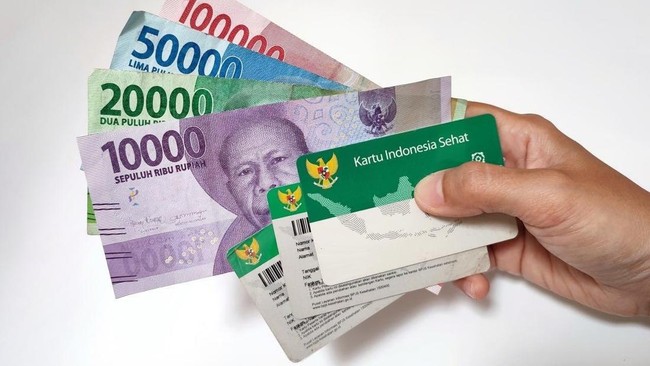
The Indonesian government is considering raising BPJS Kesehatan premiums in 2026 as the National Health Insurance (JKN) programme is projected to face a deficit of between Rp 20 trillion and Rp 30 trillion this year. Health Minister Budi Gunadi Sadikin explained that the JKN contribution should ideally be evaluated and adjusted every five years to maintain the programme’s sustainability.
“The premiums do need to increase. That is a fact,” Budi said, as quoted on Monday (22/6/2026). He assured that any future increase would only impact middle- and upper-class participants who pay premiums independently, not the poor whose contributions are covered by the government.
BPJS Kesehatan President Director Prihati Pujowaskito reported that the current claims ratio has reached 108.72%, indicating that payouts exceed the income received from premiums. The agency processes approximately two million health service transactions daily, requiring around Rp 500 billion in claim payments. While monthly claims total between Rp 16 trillion and Rp 16.5 trillion, collected premiums only amount to roughly Rp 14 trillion, resulting in a monthly shortfall of about Rp 2 trillion.
Finance Minister Purbaya Yudhi Sadewa stated that the government will not adjust the contribution rates until economic growth surpasses the 5% level that has stagnated over the past decade. “If the economy grows above 6% and people find it easier to get jobs, then we will consider increasing the burden on the public. Not yet,” he asserted.
Despite the discussions, the current contribution rates remain based on Presidential Regulation Number 63 of 2022. The regulation stipulates that payments are due by the 10th of each month, with no late payment penalties starting 1 July 2026, except for a penalty applied if a participant receives inpatient care within 45 days of reactivating their membership. The current contribution rates are as follows: Contribution Assistance Recipients (PBI) are fully paid by the government; formal sector workers (PPU) in government institutions, state-owned enterprises, regional-owned enterprises, and private companies pay 5% of their monthly salary (4% by the employer, 1% by the employee); additional family members of PPU participants pay 1% of salary per person per month; and non-salaried workers (PBPU) and non-workers pay Rp 42,000 per person per month for Class III wards and Rp 100,000 per person per month for Class II wards.