
Government confirms Kalimantan logistics rail network will not use state budget
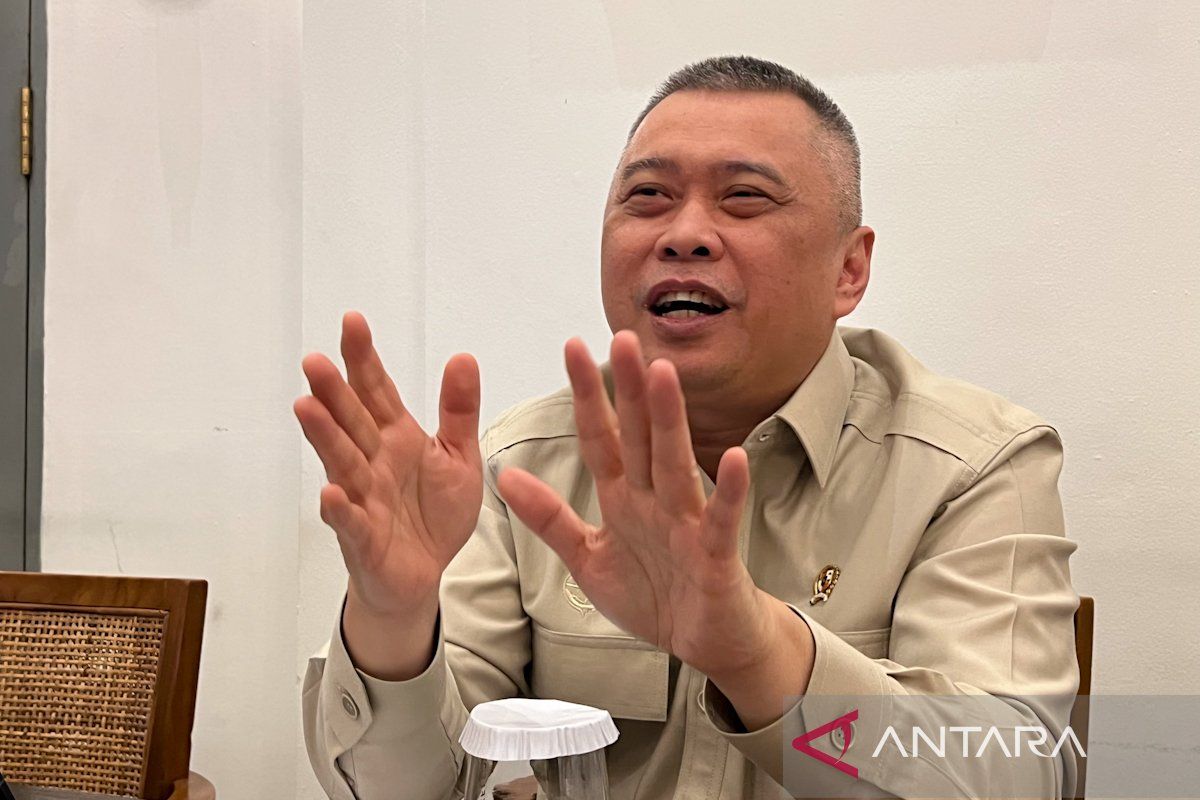
Minister of Transportation Dudy Purwagandhi has confirmed that the construction of a logistics railway network on Kalimantan Island will not utilise the State Revenue and Expenditure Budget (APBN), and will instead be offered to private investors through a non-APBN investment scheme. “We are offering it to the private sector to build the logistics railway network in Kalimantan,” Dudy said in Jakarta on Saturday. According to Dudy, state-owned railway company PT Kereta Api Indonesia (Persero) is welcome to invest if it assesses that the construction of the logistics rail network in Kalimantan has profitable and sustainable business prospects. He cited the success of rail freight transport in South Sumatra, which is managed by PT KAI on a commercial basis without subsidies or public service obligation (PSO) schemes. Dudy noted that the freight transport business in South Sumatra contributes significantly to PT KAI’s revenue, underpinning the company’s main performance and strengthening its ability to maintain rail services on various other routes, particularly in Java. He explained that this mechanism reflects a business principle enabling cross-subsidisation between business lines, ensuring service operations continue sustainably and efficiently. Dudy revealed that President Prabowo Subianto is pushing for the construction of the logistics rail network in Kalimantan to be realised promptly in line with national needs. “He (President Prabowo) is pushing for the logistics railway in Kalimantan,” he said. “Building a railway is not cheap,” Dudy added. The government is seeking to build 2,772 kilometres of railway lines in Kalimantan to strengthen connectivity and support logistics distribution on the island. “The plan for railway line construction in Kalimantan is still being carefully calculated and planned,” said Coordinating Minister for Infrastructure and Regional Development Agus Harimurti Yudhoyono a few days earlier. The government will form a committee involving various ministries and agencies to accommodate input. According to Agus, this committee will play a role in refining the National Railway Master Plan (Ripnas) to align with Kalimantan’s needs. Agus noted that Kalimantan does not yet have a railway network, despite the island possessing significant natural resource potential, including the mineral sector, which requires adequate transport infrastructure support. Therefore, the railway line will open inter-provincial connectivity in Kalimantan and improve logistics distribution efficiency.