
Government Commits to Overhauling Free Nutritious Meals Programme Within One Month
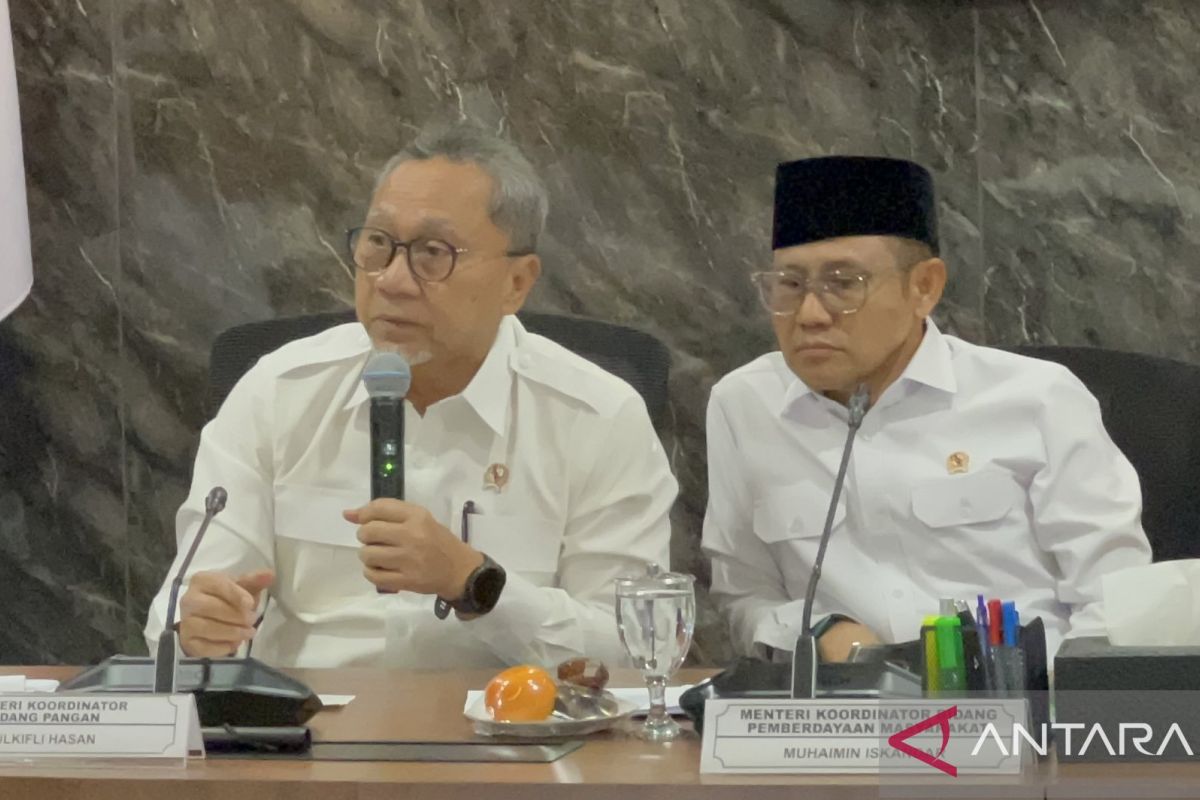
Coordinating Minister for Food Zulkifli Hasan has stated a commitment to restructure the Free Nutritious Meals (MBG) Programme within one month. “We need time for restructuring. One month. One month for restructuring,” said Zulhas, as Zulkifli Hasan is familiarly known, at the Improving MBG and Remote SPPG Service Quality event held at the Coordinating Ministry for Food office in Jakarta on Thursday. Within one month, Zulhas committed to organising and rectifying Nutrition Fulfilment Service Unit (SPPG) points that had been traded, mapping MBG recipient schools, improving kitchen quality, and verifying reports on MBG beneficiaries. “Comprehensive restructuring is needed by the new Head of BGN and management to fix this very important programme,” said Zulhas. The MBG programme restructuring is the government’s response to various problems that occurred during the programme’s implementation. These MBG programme issues, Zulhas noted, have drawn the attention of President Prabowo Subianto. “At one point, the President finally heard and has decided to replace it with new management,” said Zulhas. Head of the National Nutrition Agency (BGN) Nanik S Deyang stated that her agency is implementing several budget efficiency measures so that the programme’s execution does not burden state finances without altering the nutritional fulfilment targets for beneficiaries. The first step taken is a moratorium on opening new service points and kitchens. To date, there are 27,877 operational kitchen points based on virtual accounts, which will be reorganised to assess the suitability of service capacity with the number of beneficiaries in each region. The BGN, she said, is also temporarily halting new kitchen registrations while mapping needs in various regions. This restructuring is being carried out because the distribution of kitchens is still concentrated on Java Island. The next step is to refocus beneficiaries so that nutritional interventions are more directed at groups that truly need them. An evaluation is being conducted on the number of beneficiaries, currently recorded at around 63 million people. In addition, the BGN will also strengthen service quality supervision. By 2026, the programme’s focus will be directed at improving implementation quality, rather than merely pursuing quantity. Evaluations will be carried out to ensure operating kitchens meet technical guidelines and have appropriate service capacity. Nanik stated that the MBG programme is a mandate that must be implemented properly because, besides aiming to improve the nutritional quality of Indonesian children, the programme is also expected to stimulate the economy at the grassroots level.