
Government Commences Denpasar Raya PSEL Construction, Processing 1,400 Tonnes of Waste Daily
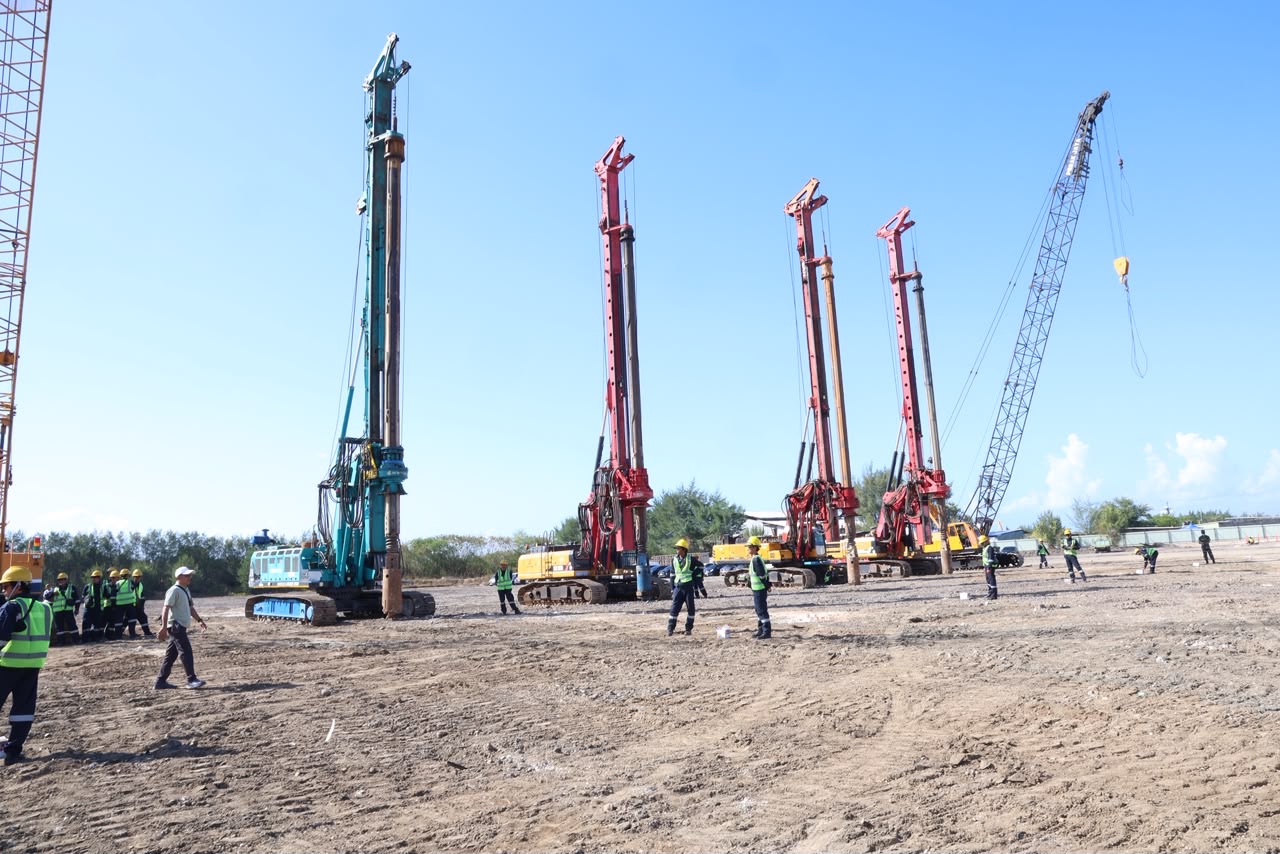
The government has officially commenced the construction of the Denpasar Raya Waste-to-Energy (PSEL) plant as a strategic move to address waste problems while strengthening Bali’s position as a clean, modern, and sustainable world tourism destination. The project is an implementation of Presidential Regulation Number 109 of 2025 and a follow-up to President Prabowo Subianto’s directive to accelerate the development of waste-to-energy facilities through regulatory simplification, faster licensing, and cross-sector synergy. The Denpasar Raya PSEL has a processing capacity of 1,400 tonnes of waste per day, with a construction period of approximately 18 months and is targeted to begin operations by the end of 2027. In addition to providing a long-term solution for waste management in the Denpasar Raya area, the project is expected to serve as a model for waste-to-energy development in other regions. Coordinating Minister for Food Zulkifli Hasan emphasised that the construction of the Denpasar Raya PSEL marks a milestone in national waste management reform starting from Bali. “Bali is taking a major step towards a modern, integrated, and sustainable waste management system. Proper waste management will preserve environmental quality while strengthening Indonesia’s tourism competitiveness,” Zulkifli said. The construction was marked by the signing of a Power Purchase Agreement (PPA) as part of efforts to accelerate PSEL development in Bali. The involvement of Danantara in the project is expected to further strengthen government synergy in supporting the acceleration of strategic national infrastructure development, including PSEL facilities in various regions. According to data from the Bali Provincial Government, Bali received more than 16 million tourists throughout 2025, while the tourism sector contributed over 65 percent to the regional economy. Therefore, resolving waste issues is a critical factor in maintaining the quality of tourism destinations and supporting economic growth. “The success of the Denpasar Raya PSEL will serve as an example for other regions in building modern waste management systems through collaboration between the government, businesses, and the community to realise a cleaner, healthier, and more sustainable Indonesia,” Zulkifli asserted. The government has confirmed that the acceleration of PSEL construction will continue. Following Denpasar Raya, the construction of the Bekasi City PSEL and Bogor Raya 1 PSEL will also commence soon as part of the national strategy for developing waste-to-energy facilities across various regions in Indonesia.