
Government and KAI Group Collaborate to Maintain Public Mobility Through Railway PSO Services
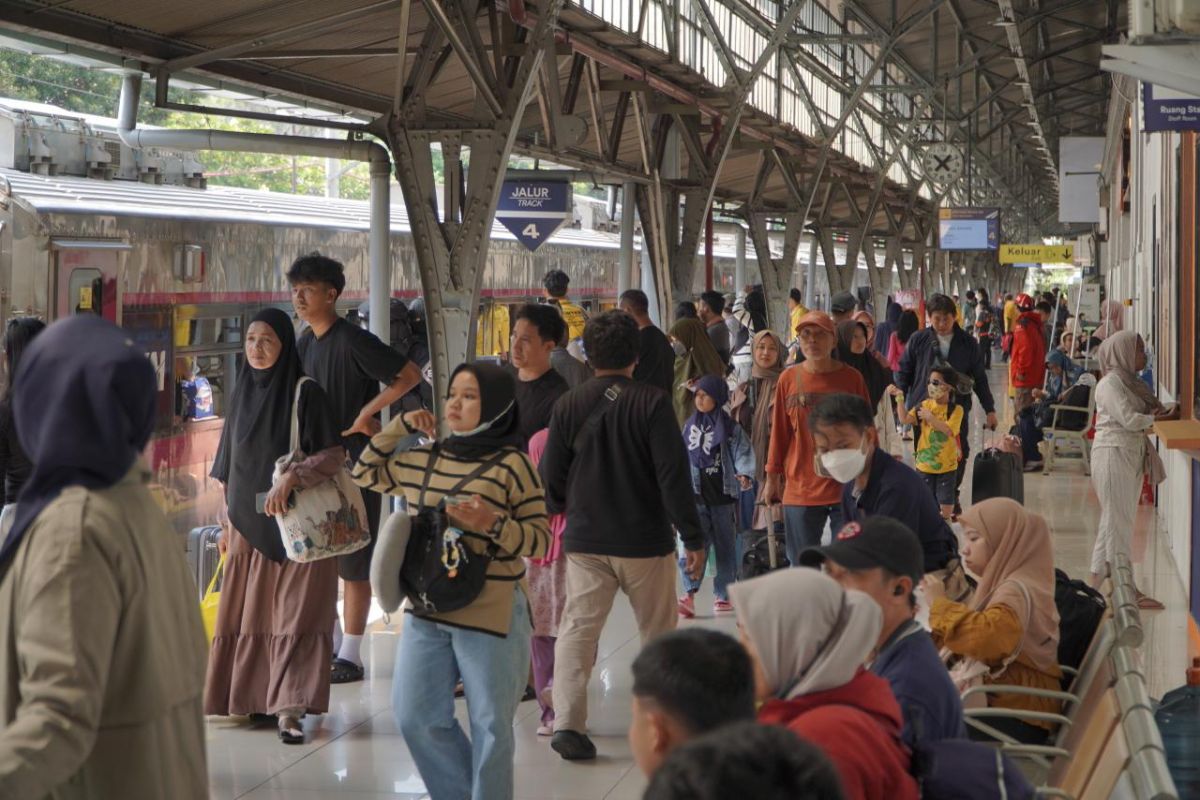
For many Indonesians, trains have become an integral part of daily life. There are workers who leave before sunrise to earn a living for their families. There are students who travel long distances to pursue education. There are small traders who transport their goods to keep their businesses running from one city to another.
In various regions connected by railway networks, trains have grown into a public transportation system that keeps people moving at affordable prices. The presence of this service helps open up access to the economy, education, health, and social activities for people every day.
Behind these journeys, the state is present through the Public Service Obligation (PSO) scheme, or railway fare subsidies from the Government through the Directorate General of Railways (DJKA) of the Ministry of Transportation of the Republic of Indonesia.
The PSO service is one of the important pillars of public mobility because it provides access to safe, efficient, and affordable mass transportation in various regions. The presence of this service also helps maintain connectivity between regions and supports productive community activities.
PT Kereta Api Indonesia (Persero) recorded that passengers of Long-Distance Trains and Local Trains with PSO subsidies between January and April 2026 reached 6,221,378 passengers.
In addition to Long-Distance and Local Train services managed by KAI, the government also provides fare subsidies for all Commuter Line and Jabodebek LRT services, as well as some services managed by KAI Bandara.
The service managed by KAI Commuter recorded a passenger volume of 136,585,949 passengers between January and April 2026.
Meanwhile, the Jabodebek LRT served 10,667,038 passengers between January and April 2026.
For subsidized services managed by KAI Bandara, the total number of passengers between January and April 2026 reached 2,334,929 passengers.
These services include the YIA Regular Train, which serves connectivity to Yogyakarta International Airport, as well as the Srilelawangsa train on the Medan-Kualanamu and Medan-Binjai routes, which have long been an important part of public mobility in North Sumatra.
Vice President of Corporate Communication at KAI, Anne Purba, said that PSO services have a very broad social impact because they are in direct contact with the needs of the community every day.
“In a single train journey, there are the hopes of people who are on the move. There are parents who work for their families, there are young people who pursue education, there are traders who keep their businesses running. Therefore, PSO services are important in maintaining the space for public mobility and keeping it open and affordable,” said Anne.
Anne added that the high volume of passengers shows that rail-based public transportation is increasingly trusted by the public to support daily mobility safely, efficiently, and sustainably.
According to Anne, PSO services also show the importance of continued government support for rail-based public transportation so that the benefits of connectivity and affordability can continue to be felt by the wider community.
“Trains are part of people’s daily lives. When safe and affordable services are accessible to the public, economic, educational, and social activities can continue to run well. Therefore, the sustainability of rail-based public transportation services is important for the mobility of the Indonesian people,” Anne concluded.