
Government Allocates Rp17.5 Billion for 2026 'Comfortable Learning Pesantren' Programme
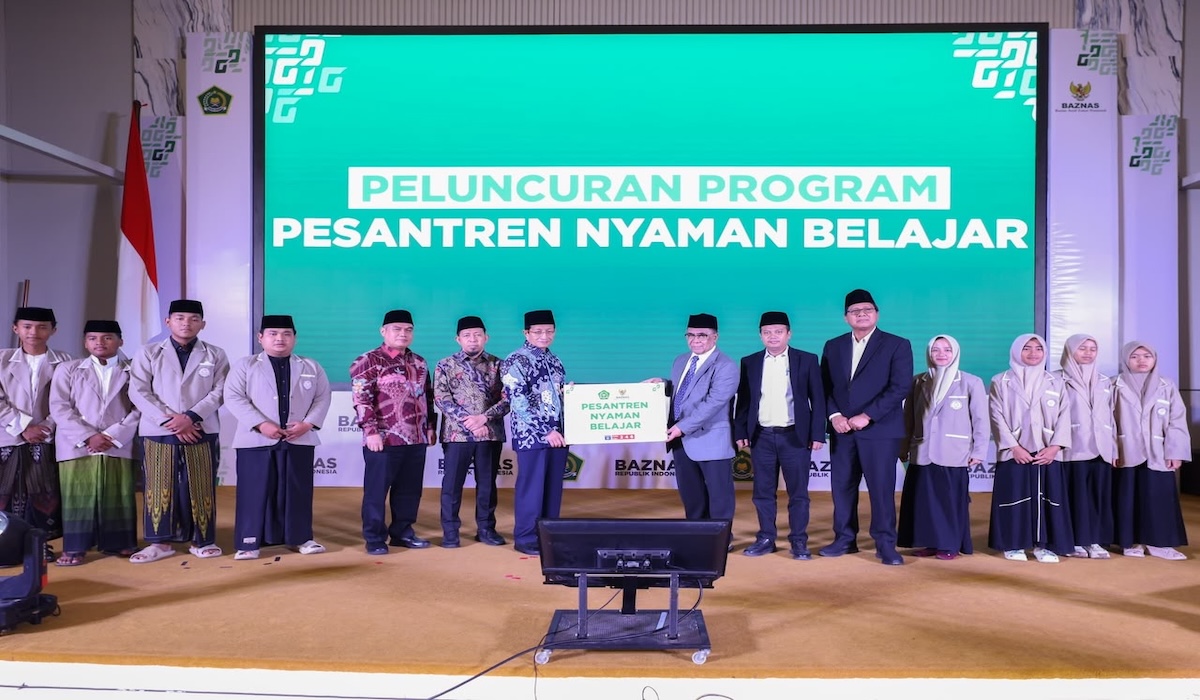
The Ministry of Religious Affairs (Kemenag), in collaboration with the National Board of Zakat (Baznas) RI, is distributing aid amounting to Rp17.5 billion through the 2026 ‘Comfortable Learning Pesantren’ (PNB) Programme. These funds are allocated to enhance the quality of educational facilities and student housing in 700 pesantren (Islamic boarding schools) spread throughout Indonesia.
The Minister of Religious Affairs, Nasaruddin Umar, emphasised that the Comfortable Learning Pesantren Programme is not merely a physical dormitory renovation project. According to him, this initiative is part of a major government effort to build a pesantren ecosystem that is child-friendly, healthy, safe, and comfortable for students.
Nasaruddin noted that the need for pesantren development remains significant. Consequently, he stressed the importance of cross-sector collaboration between the government, Bazlar, Islamic community organisations, Zakat Management Institutions (LAZ), the business sector, and the wider public.
“We hope this programme is precisely targeted, transparent, and accountable, supported by accurate data and information regarding pesantren from the Ministry of Religious Affairs,” Nasaruddin stated in his remarks on Thursday.
The Chairman of Baznas RI, Sodik Mudjahid, added that the PNB is one of the 13 priority programmes for Baznas for the 2026–2031 period. The programme aims to ensure that zakat funds serve as a strategic instrument in creating decent educational environments, in accordance with the principles of Maqashid Syariah in protecting the intellect and the lives of the younger generation.
Meanwhile, the Head of Distribution, Utilisation, and Empowerment at Baznas RI, Idy Muzayyad, explained that the programme has specific priority criteria. Aid will be focused on pesantren where at least 35 per cent of students are from underprivileged (dhuafa) backgrounds, institutions serving vulnerable groups, and those located in frontier, outermost, and least developed (3T) regions, as well as disaster-prone areas.
Through this synergy, the government and Baznas hope that the learning process in pesantren can run more optimally with adequate facilities and a more conducive environment for the growth and development of students.