
Government agrees to advance Labour Protection Bill to second-stage discussions
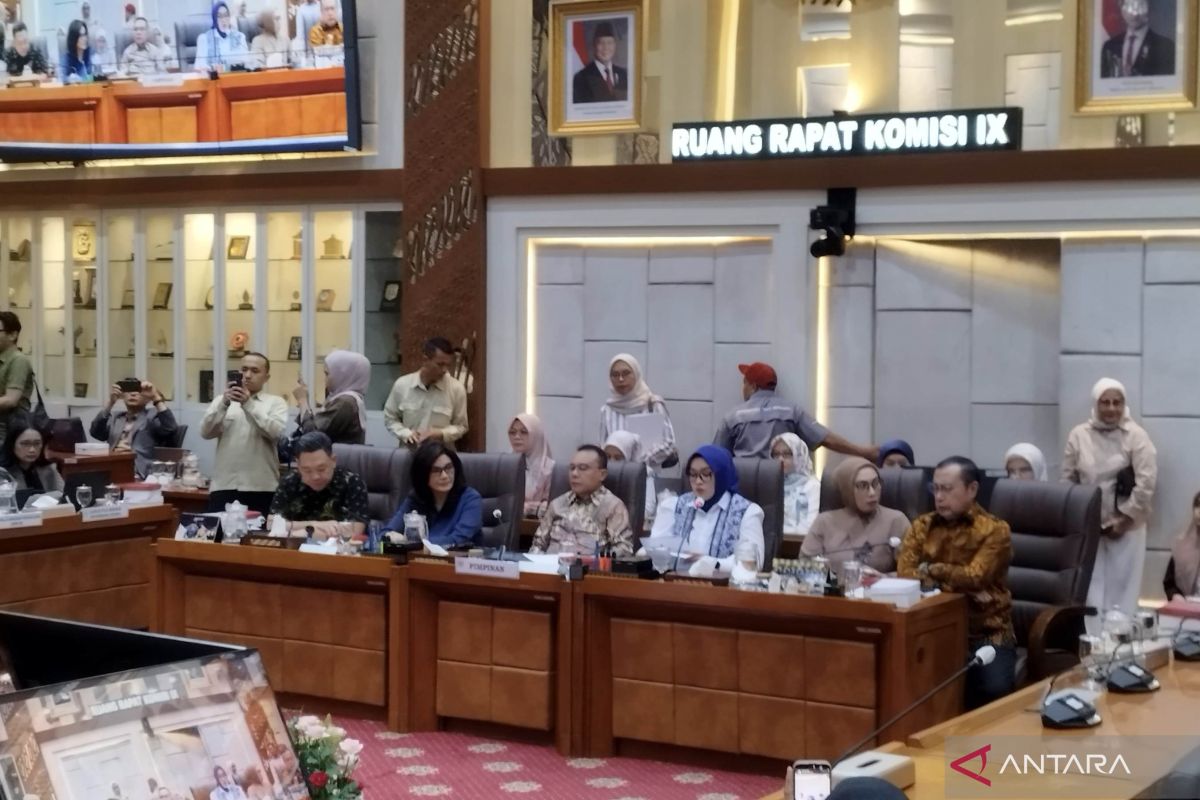
Jakarta (ANTARA) - The Government has agreed to advance the Labour Protection Bill to the second stage of discussions with the House of Representatives (DPR RI).
“Based on the entirety of the discussions held with the DPR RI and after serious consideration of all views and inputs during the deliberation process, the government declares that it can accept the Bill on Labour Protection and agrees that the Bill be proceeded to the second stage of discussions, to subsequently be decided upon in the plenary session of the DPR RI,” stated the Minister of Manpower, Yassermli, during the Level I Decision-Making Working Meeting with the DPR RI in Jakarta on Monday.
Meanwhile, the Deputy Speaker of the DPR RI, Sufmi Dasco Ahmad, presided over the first-stage decision-making meeting regarding the Labour Protection Bill, organised by Commission IX of the DPR RI. This decision was reached following the completion of the bill’s drafting and deliberation phases.
Once decided, the bill can be brought to the DPR RI plenary session to be ratified into law. The meeting agenda included the working committee’s report, the reading of the Labour Protection Bill draft, final mini-opinions representing the positions of both the parliamentary factions and the government, the signing of the bill draft, and the decision to proceed to second-stage discussions.
On the other hand, the Deputy Chair of Commission IX of the DPR RI, Putih Sari, stated that the drafting of the Labour Protection Bill is a vital part of the effort to build a national labour system, specifically to provide stronger protection for workers.
Furthermore, she noted that the bill is designed to provide legal certainty for both employees and employers, encourage the creation and expansion of job opportunities, enhance worker competence and productivity, realise a fair and decent wage system, and strengthen harmonious and equitable industrial relations.
According to her, the bill is expected to anticipate changes in the world of work and digital transformation, while strengthening labour law supervision and enforcement. Ultimately, it aims to create a balance between worker protection and business sustainability, thereby fostering economic growth and national competitiveness.