
Government accelerates CNG adoption to slash LPG imports
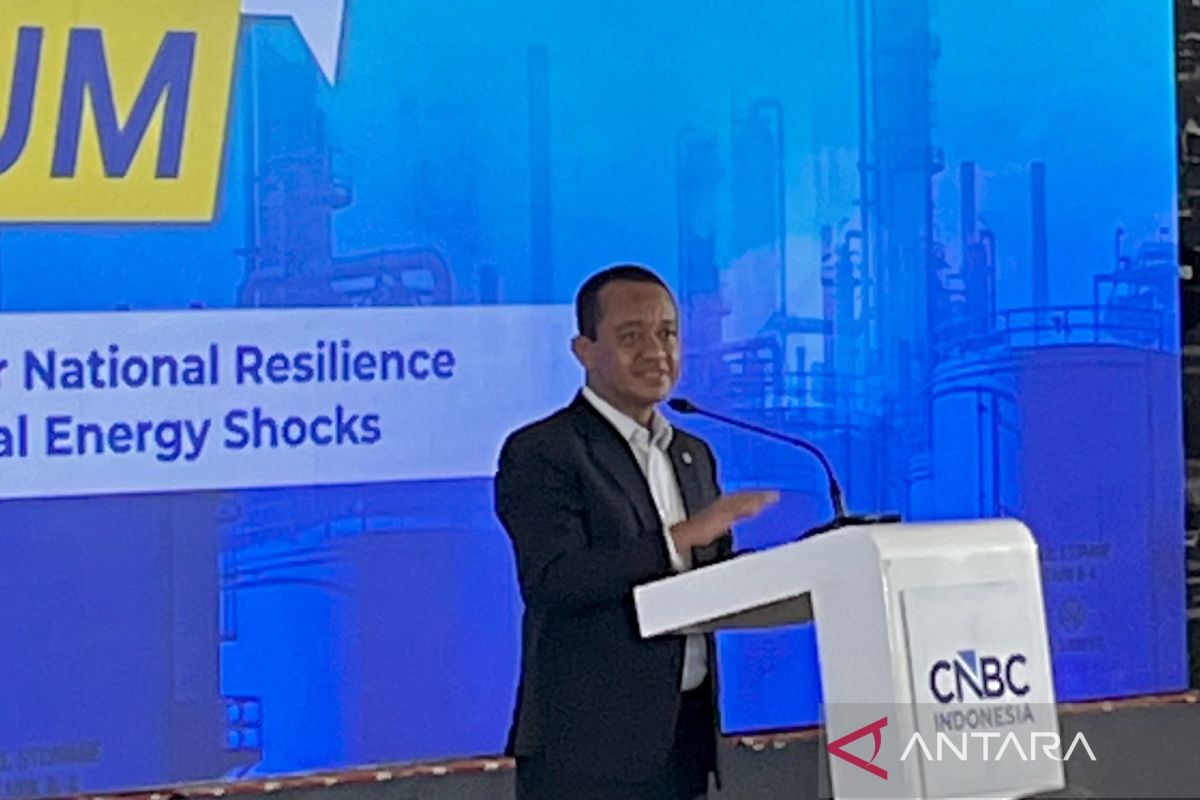
Energy and Mineral Resources Minister Bahlil Lahadalia has stated the government is accelerating the use of Compressed Natural Gas (CNG) as a measure to replace and reduce LPG imports. “There is no other way for us to reduce our foreign exchange outflows and cut subsidies. There must be an energy mix. That is why we are now pushing CNG. CNG uses C1 and C2 gas, which is abundant in Indonesia,” Bahlil said in Jakarta on Thursday. The Minister further highlighted the kerosene-to-LPG conversion programme that began in 2006 as a noble idea and a good programme. However, he assessed that the policy was not fully synchronised with the domestic LPG industry, leading to dependence on imports to meet national demand. “The LPG conversion from kerosene back in 2006 was a noble idea, a good one. But we did not develop the LPG industry in parallel, so we actually ended up importing again,” he said. Bahlil noted that Indonesia’s average LPG consumption exceeds 8.5 million metric tonnes per year. However, national LPG production remains at only 1.91 million metric tonnes, meaning approximately 7.47 million metric tonnes must be met through imports. “The rest we import, 75 to 80 per cent of the remainder is imported,” he stressed. Therefore, Bahlil considers the government’s effort to accelerate CNG adoption as an LPG alternative necessary to achieve energy self-sufficiency and sovereignty. He said the government has now entered the third phase of trials for using CNG in 3-kilogramme canisters for household needs, after previously implementing 12- and 50-kilogramme CNG cylinders in the commercial sector. “Now, this CNG has entered the third phase for the 3-kilogramme gas canisters, together with Pertamina,” Bahlil said. “The 12-kilogramme and 50-kilogramme CNG cylinders have already been implemented in the kitchens of the Free Nutritious Meals programme, in the hotel and restaurant industries, they are already using CNG,” he added. He expressed hope that national energy independence can soon be realised by utilising domestic resources, thereby slashing import dependency in the oil and gas sector. “So going forward, I want these imports to be reduced wherever possible. We must utilise our domestic production,” he said.