
Google's Plan to Release 32 Million Wolbachia Mosquitoes Sparks Protests in the US
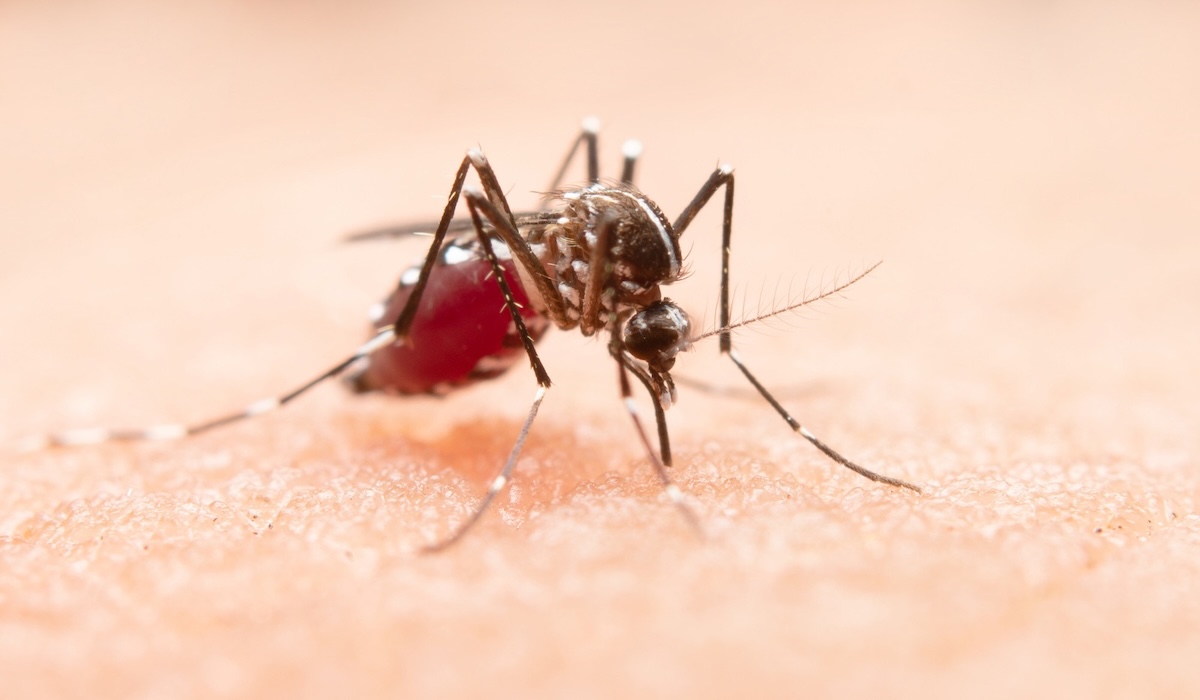
Verily, the healthcare subsidiary of Alphabet (Google’s parent company), is facing a wave of intense opposition from residents in Florida and California regarding its plan to release 32 million male mosquitoes carrying Wolbachia bacteria. This biological engineering project, titled ‘Debug’, is perceived as a risk to native ecosystems and has raised concerns over corporate dominance in public health matters.
As of 6 June 2026, Verily is reportedly seeking permits from the US Environmental Protection Agency (EPA) to execute the programme. The objective is to suppress the populations of Culex and Aedes aegypti mosquitoes, which serve as vectors for dangerous diseases such as Zika and dengue fever. The method utilises sterile insect technique, where male mosquitoes infected with Wolbachia bacteria mate with wild females, resulting in eggs that do not hatch.
Despite claims that the method is safe—as male mosquitoes do not bite humans—US citizens have voiced deep anxieties. They have criticised the involvement of a tech giant in altering the natural order for commercial interests. “Corporations should not take part in regulating or artificially altering ecosystems,” stated one resident, as reported by Futurism.
Sharp criticism also came from resident Brooke Davis, who highlighted the potential for business monopolies behind environmental issues. She asserted that allowing a multi-billion dollar company to intervene in the native ecosystems of the United Kingdom is a shameful and dangerous step for long-term environmental protection.
Regarding technical and scientific risks, Verily currently relies on automated breeding systems and Artificial Intelligence (AI) to support the mass release of up to 6 million mosquitoes per week. However, widespread public opposition presents a significant challenge for the EPA in deciding whether this ambitious project should proceed or be halted to maintain ecological balance.