
Google Seeks Government Permission to Release 32 Million Aedes aegypti Mosquitoes
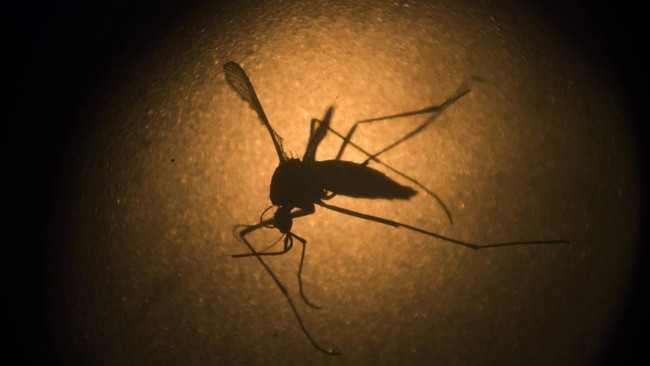
Google has applied for permission from the United States federal government to release 32 million mosquitoes across California and Florida. This initiative is part of an effort to suppress the population of mosquitoes that carry dangerous viruses.
The project, named ‘Debug’ and managed by Verily, targets the Aedes aegypti mosquito, commonly known as the dengue mosquito. This aggressive species is not native to the US and is notorious for spreading Zika, dengue fever, yellow fever, and chikungunya.
While the idea may seem unusual, this is not the first time mosquito releases have been attempted in the US. In 2017, Verily released one million sterile mosquitoes in California, and a similar trial by the British company Oxitec in the Florida Keys was deemed successful in 2022.
The urgency of this programme is significant. US government data shows that approximately 120 US citizens die annually due to West Nile virus infections. Globally, mosquitoes are considered the deadliest animals to humans.
Under the proposed scheme, Verily will release male mosquitoes, which do not bite humans. These mosquitoes have been infected with Wolbachia bacteria, which causes the eggs resulting from mating with wild female mosquitoes to fail to hatch. Through this method, the mosquito population is gradually suppressed from within without the need to eradicate the entire species.
“The primary ecological impact is returning the ecosystem to its condition before these mosquitoes arrived. The Debug team is committed to working with communities and regulators to ensure the safety and acceptance of field trials and mosquito releases,” Verily stated on its project website, as reported by The Independent.
However, the plan has sparked debate. Some social media users have questioned Google’s involvement in the project and its potential impact on the balance of nature. US Republican Representative Tim Burchett also highlighted the plan, questioning why Google possesses 32 million mosquitoes and warning against disrupting the natural balance.
Verily has not yet responded to these criticisms and confirmed that there is no fixed schedule for the release. Furthermore, dormant mosquito eggs can survive for months, necessitating ongoing management.
“Our primary goal is to reduce the mosquito population below the level required to transmit disease,” the project team stated.
On the other hand, the CDC has noted that this method is not a permanent solution, as mosquito populations could gradually return to normal levels once releases cease. Challenges also arise from climate change; recent research suggests mosquitoes are spreading more easily to new regions due to warmer temperatures and increased humidity. Lisa Couper, an environmental health researcher at UC Berkeley, noted that mosquitoes could potentially evolve alongside climate warming, suggesting future disease risks might be underestimated.