
Google Plans to Release 32 Million Mosquitoes – Here's Why
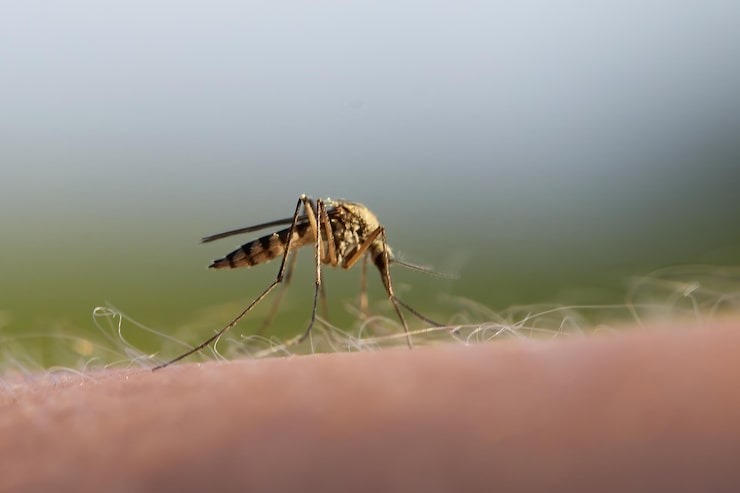
When people hear the name Google, most immediately think of search engines, artificial intelligence (AI), or advanced tech devices. However, its parent company, Alphabet, is also involved in an unusual project: breeding and releasing millions of mosquitoes into the environment.
According to A-Z Animals, Alphabet’s subsidiary Verily operates the Debug programme. First introduced in 2016, the project has recently gained attention after submitting a proposal to the US Environmental Protection Agency (EPA) to release up to 32 million specially treated mosquitoes in California and Florida over the next two years.
At first glance, the plan seems counterintuitive to mosquito eradication efforts. But the real aim is to reduce populations of disease-carrying mosquitoes.
Debug uses the Sterile Insect Technique (SIT). Instead of genetically modifying mosquitoes or spraying chemical pesticides, the method employs the natural Wolbachia bacteria.
Male mosquitoes carrying Wolbachia are released into the wild to mate with female mosquitoes that lack the same bacterial strain. When mating occurs, the resulting eggs fail to develop and hatch.
This leads to a decline in new mosquito births. If enough Wolbachia-carrying males successfully breed, the local wild mosquito population can significantly decrease over several generations.
One concern is that releasing millions of insects might increase mosquito bites. However, researchers clarify the programme uses only male mosquitoes.
In the mosquito world, only females bite humans to obtain blood for egg development, while males feed solely on plant nectar. Therefore, releasing male mosquitoes will not increase human bites.
Although Wolbachia has been used in previous studies, scaling it to millions of mosquitoes is no simple task. This is where Google’s technology comes into play.
The Debug project utilises AI, automated maintenance robots, and high-precision visual sorting systems to accurately distinguish male from female mosquitoes.
This technology allows millions of mosquitoes to be bred, sex-sorted, and distributed to precise locations. Using sensors and data analysis, the team can determine the optimal number to release to outcompete local wild populations.
The primary goal is to curb mosquito-borne diseases. Previous trials in various countries focused on Aedes aegypti mosquitoes, known for spreading dengue fever, Zika, and yellow fever.
However, the latest US proposal targets Culex mosquitoes, which transmit West Nile virus and St. Louis encephalitis—both ongoing public health concerns in the country.
California and Florida were chosen for the project due to their warm, humid climates that support year-round Culex mosquito breeding.
While many view this method as a more environmentally friendly alternative to chemical insecticides, not all support it. Some residents worry about potential health and long-term ecological impacts from drastically reducing mosquito populations.
Scientists stress Wolbachia cannot infect humans and only affects mosquitoes. Additionally, the targeted species are not primary food sources for most wildlife, so ecological effects are expected to be minimal.
Nevertheless, the US government is conducting rigorous evaluations. The EPA is currently reviewing the proposal and has opened a public consultation period before final approval.