
Google, McKinsey, and Tencent Invest in Indonesia's Carbon Removal Sector
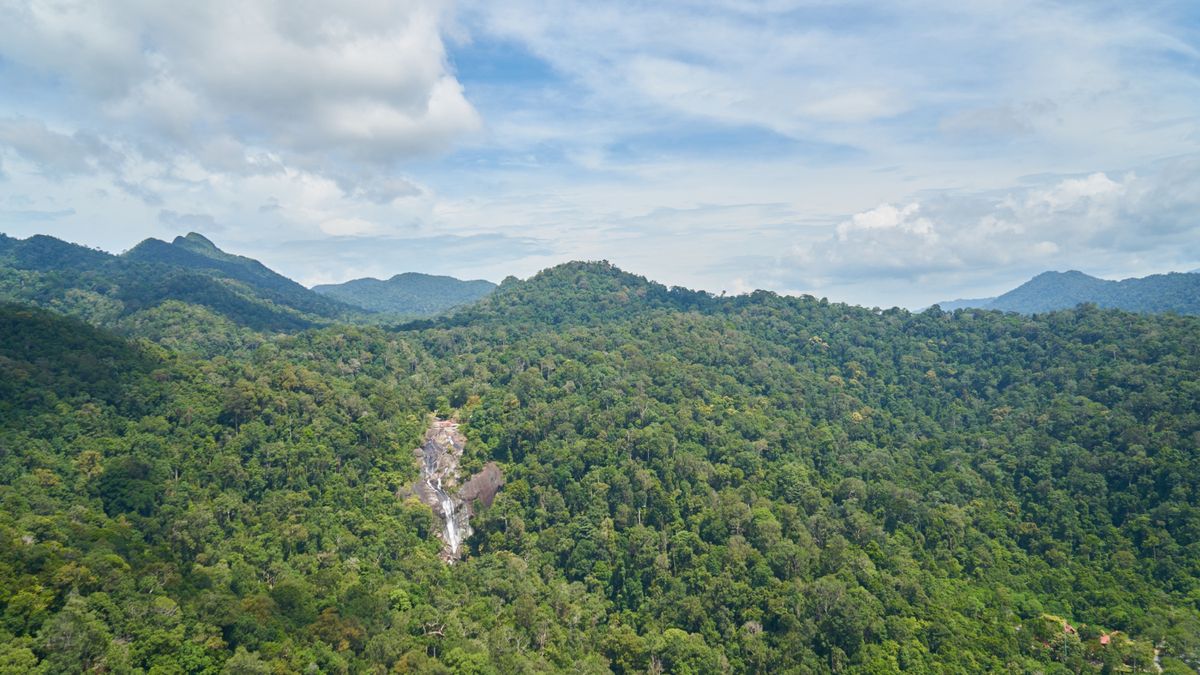
Nature-based carbon removal company Thryve.Earth has announced it has secured its first official buyers from among major corporations. These separate purchase agreements were reached with Google, McKinsey & Company—through the Symbiosis Coalition—and Tencent. Through this collaboration, they have committed to removing 650,000 tonnes of carbon.
According to an official report on 8 July, Google and McKinsey will jointly purchase a removal quota of 335,000 tonnes of carbon as fellow members of the Symbiosis Coalition. The group is an association of large buyers that has pledged from the outset to purchase a total of 20 million tonnes of nature-based carbon removal credits by 2030. Meanwhile, Tencent, a major technology and entertainment company, will separately purchase a removal quota of 300,000 tonnes of carbon. Tencent stated that this deal represents their first carbon credit purchase made outside of China.
The carbon removal company said that funding from these carbon sales is crucial for the project to scale up significantly. The purchase commitments from these giant corporations provide the certainty of volume and price that is desperately needed to raise capital, allowing the project to expand to cover thousands of hectares.
Thryve further explained in its report that the project aims to restore 6,000 hectares of ecosystem. This will be achieved using an intercropping agricultural system that can absorb carbon, restore soil fertility, reduce fire risk, and increase biodiversity and income for local farmers. The agricultural system used in the project will create layers of crops and shelter to provide various sources of income for farmers, beyond the revenue from carbon sales. The top layer of the forest will be filled with sugar palm and timber trees, the middle layer will be planted with papaya, avocado, coffee, and banana, while the bottom layer will feature chillies and maize. Thryve explained that the fruit and timber trees planted will store carbon over the long term.
Symbiosis Coalition Executive Director Julia Strong said that this purchase agreement provides certainty for Thryve to build the project on a large scale. According to her, this is the right signal to unlock the real impact of the carbon market and projects like Thryve for communities and the planet. “The Thryve project proves that positive impact for communities and the environment is not just a side benefit of an honest project, but a primary factor driving the project’s success,” Strong said.
The Symbiosis Coalition was launched in 2024 by Google, Meta, Microsoft, McKinsey, and Salesforce. Bain & Co. and REI also joined the group as members after its launch. This deal with Thryve is the third purchase contract announced by the Symbiosis Coalition. Previously, in November, Google and McKinsey as group members purchased a removal quota of 215,000 tonnes of carbon from Mombak in Brazil. Then in March, the group announced that Google, McKinsey, and Meta had signed a contract to remove more than 130,000 tonnes of carbon with Living Carbon, a company managing reforestation in the Appalachian mountain region of the United States.
Meanwhile, Tencent has a target to achieve carbon neutrality across its entire operations and business network, and to use 100 per cent green electricity by 2030. According to its official website, Tencent’s carbon neutrality strategy focuses on energy conservation, the use of renewable energy, and support for new technologies to offset carbon pollution.