
Google Maps Introduces Ask Maps AI to Simplify Tourism Destination Research
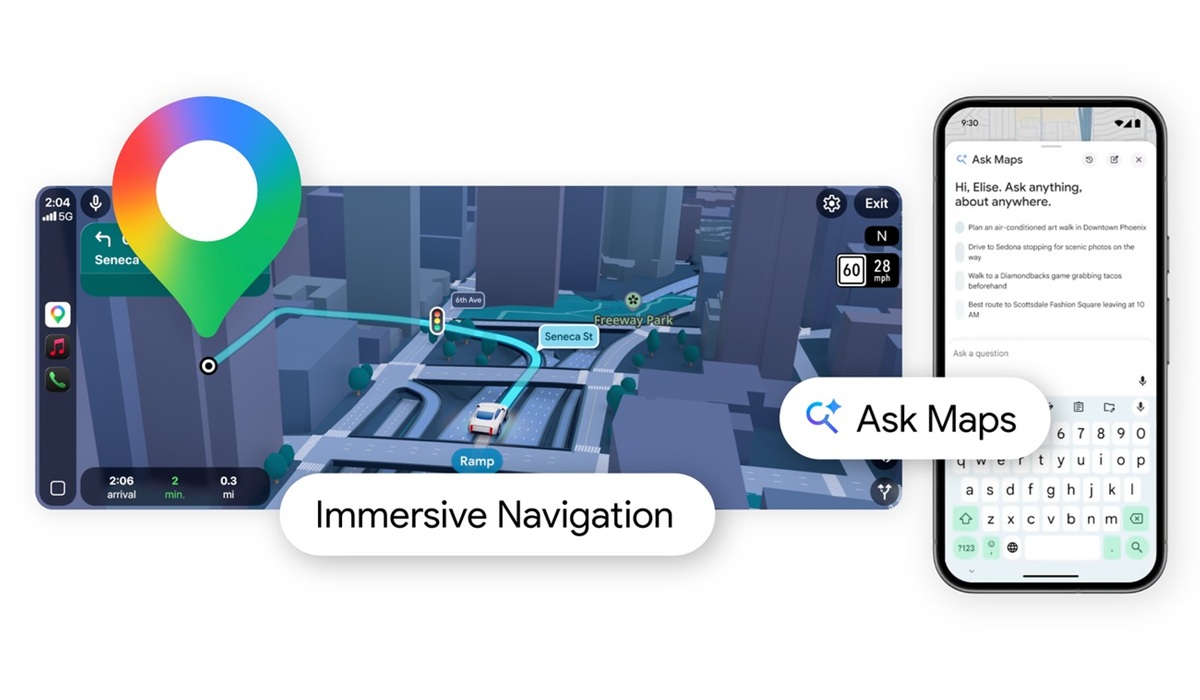
Google Maps is no longer just an application for finding directions. With the support of Gemini artificial intelligence (AI), Google’s navigation platform can now assist users in searching for destinations, finding eateries, and even organising travel itineraries through conversational interaction.
This feature has the potential to simplify tasks within the tourism industry, which has traditionally required extensive location research and itinerary preparation. The feature, named Ask Maps, was introduced in Indonesia in August 2026 as a conversational tool that allows users to ask questions using everyday language.
Ask Maps then provides recommendations based on the location information available on Google Maps. For tourism professionals, such as tour guides, travel planners, and tour operators, this feature can be used to accelerate the search for destinations tailored to tourist needs.
Where tourism workers previously had to open multiple pages to find suitable restaurants, attractions, or activities, Ask Maps allows these requests to be handled within a single conversation. Users can provide more specific queries, such as searching for family-friendly attractions, restaurants with a particular atmosphere, or activities that can be performed during rainy weather.
According to Google, Ask Maps is designed to understand complex questions regarding locations and provide personalised recommendations. Tom’s Guide also demonstrated several ways to use Ask Maps for trip planning, including finding dining spots, seeking local experiences, and organising recommendations based on specific preferences.
In addition to Ask Maps, Google Maps includes a ‘Lists’ feature that can be used to save and group various locations. This allows users to create lists of places they wish to visit and share them with others. In a tourism context, professionals can create specialised lists containing hotels, restaurants, attractions, and alternative locations for a single itinerary.
Google has previously introduced several Maps updates to assist users in trip planning, including developments in list features and place recommendations. Another highly useful feature is offline maps, which allows tourism workers to download specific areas before a journey so that navigation remains functional even with limited internet connectivity.
Despite the convenience offered, AI recommendations still require verification. Information such as operating hours, road conditions, prices, and availability can change at any time. With these developments, Google Maps is gradually transforming from a mere navigation tool into a digital assistant for exploration and travel planning.
For the tourism industry, utilising these features can help accelerate destination research and itinerary creation, although final decisions still require human consideration. Through the Gemini AI ecosystem, Google has also introduced visual capabilities that allow users to create images via text instructions. The use of Gemini AI is expanding due to its ability to understand Indonesian language context naturally, alongside its seamless integration with services such as Google Docs and Gmail.