
Google Expands AI-Based "Take Notes" Feature in Meet, Now Usable in Zoom and Offline Meetings
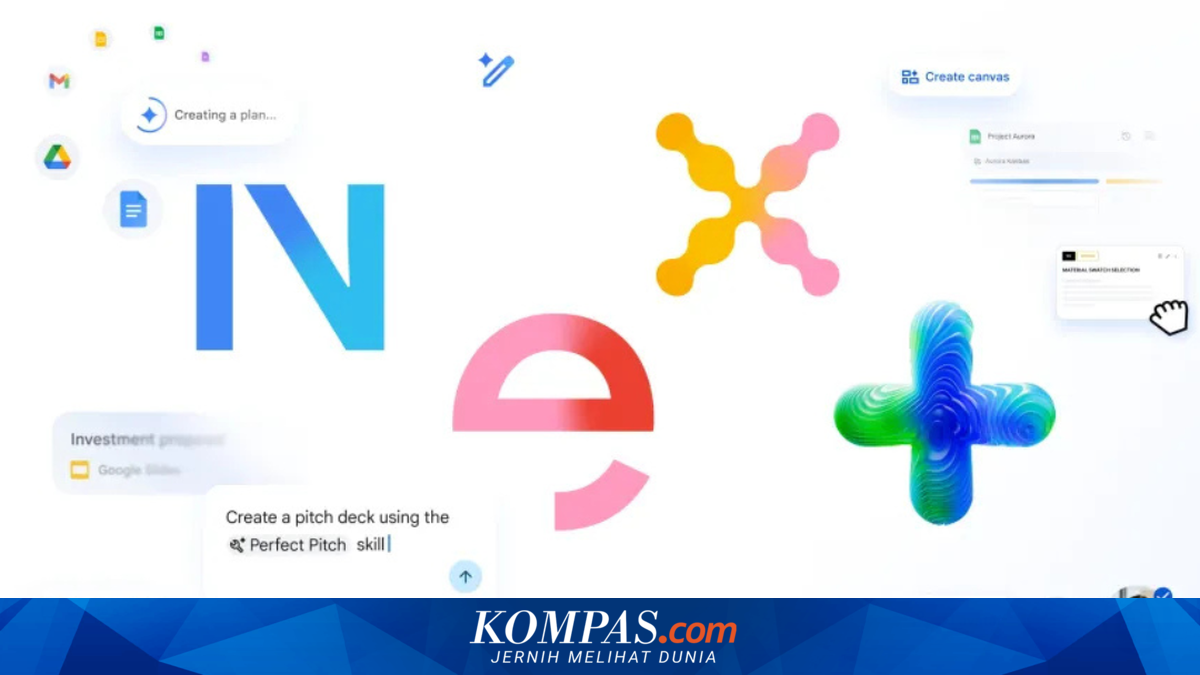
Google has updated its artificial intelligence (AI)-based Gemini automatic note-taking or minutes feature in its video conferencing application, Google Meet. The “Take Notes for me” feature, released in 2024, can now be used not only for virtual meetings but also for face-to-face (offline) meetings, and even across platforms such as Zoom and Microsoft Teams. The update to the Take Notes for me feature was announced at the Google Cloud Next 2026 event, Google’s annual conference focused on exploring the latest innovations in AI and cloud technology, held in Las Vegas from 22-24 April. This expansion makes the feature more flexible for use in various work scenarios, both online and offline. Its presence also strengthens the role of Google Meet as a cross-platform productivity tool. Through this feature, users can automatically generate meeting notes from all three platforms without the hassle of manual note-taking. However, Google has not yet explained how the tool can be used across platforms. Take Notes for me is not a new feature. The service has been available in the Google Meet application and is said to have been used by many users. Google revealed that in the past month, more than 110 million participants have used the Take Notes for me feature, with growth reaching 8.5 times compared to the same period last year. Google explained that this feature allows users to add specific source file collections, making it easier to run multiple conversations at once. If accessed via the website, the Projects feature in Drive appears in the side panel, right below the “Home” menu. Another update has been introduced in Google Sheets. This platform now features a new “Canvas” tool that enables users to create dashboards, heat maps, and interactive Kanban (visual project management) boards that can be shared. According to Google, this feature is similar to the Canvas in the Gemini application, allowing the creation of “interactive mini-apps” directly on top of user data.