
Google and YouTube Launch Mental Health Guide for Adolescents in the Digital Space
Google and YouTube have launched the Adolescent Mental Health Guidebook, also known as the Digital Wellbeing Guidebook, in collaboration with the Indonesian Association of Psychiatrists, Cipto Mangunkusumo Hospital, and the University of Indonesia. The guide is designed to equip parents and school communities with the tools to support adolescents facing psychological challenges in the digital space.
This launch is part of the ‘AKSI Digital’ initiative rolled out last January, which has received full support from the Ministry of Communication and Digital. The guidebook also serves as a supporting instrument for the implementation of Government Regulation Number 17 of 2025 concerning Child Protection in Electronic Systems (PP Tunas).
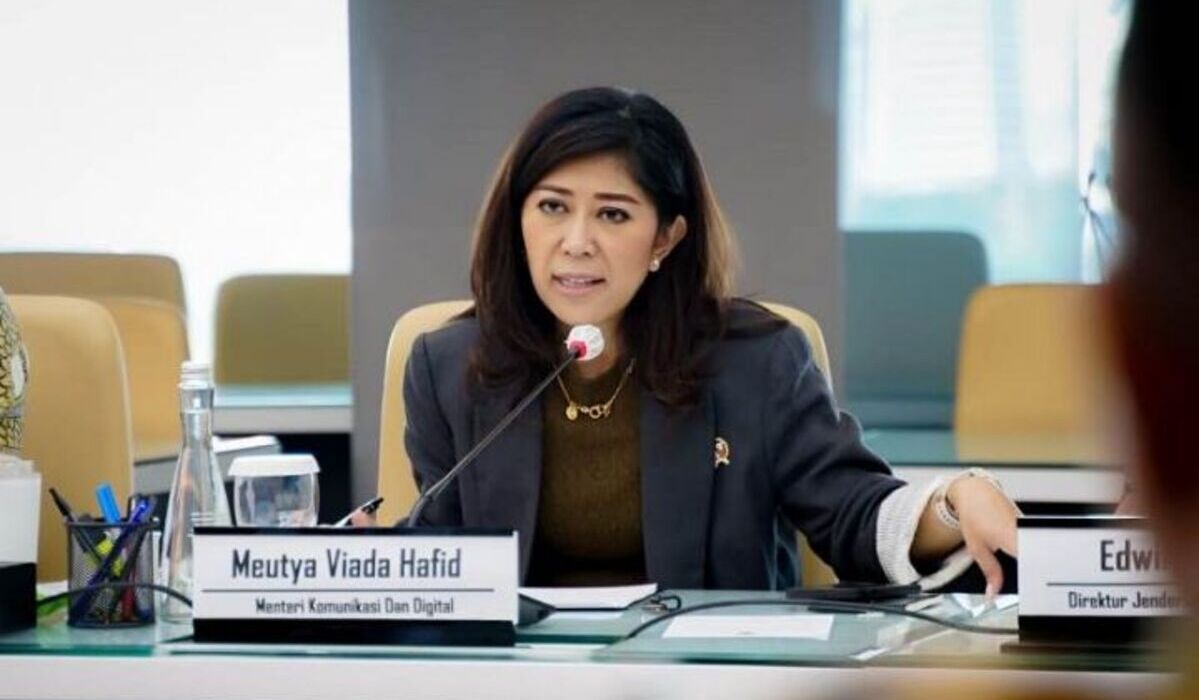
The Minister of Communication and Digital, Meutya Hafid, emphasised that the objective of this regulation is not to prohibit children from entering the digital world, but rather to delay exposure to harmful elements. “Today’s digital world is a new home for our children, where we must guard the doors and windows to ensure they remain safe in cyberspace. Through the PP Tunas regulation, our goal is not to ban children from the digital world, but to delay exposure to dangerous things such as threats from unknown contacts, exposure to negative content, and addiction,” stated Meintya.
As part of this initiative, approximately 2,500 Guidance and Counselling teachers are targeted to receive training through the Ministry’s Human Resources Development Agency and the Jakarta Provincial Government. To date, 1,000 teachers have already participated in the training.
Child and Adolescent Psychiatrist Tjhin Wiguna, one of the primary authors of the guide, noted that the book was intentionally written in simple language so it can be used by parents, teachers, and the general public. The content covers adolescent development in the digital era, emerging psychological challenges, and support strategies that can be applied at home and in school. “Technology is not an enemy to be avoided, but a tool that must be used wisely. With proper understanding, adolescents can use technology to develop positively without losing balance in real life,” said Tjhin.
Celeste Campbell-Pitt, Director of Government Affairs and Public Policy for YouTube APAC, stated that the philosophy underlying this initiative is simple yet firm: “We aim to protect them in the digital world, not from the digital world.”
YouTube has also introduced several new safety features, including a Shorts duration timer and customizable bedtime reminders for parents. The platform is also implementing new quality principles within its recommendation system to increase the frequency of educational content while limiting content deemed less suitable for repeated adolescent consumption.
According to Ipsos research released in August 2025, 89 per cent of parents stated their children benefit from YouTube for learning, 92 per cent believe YouTube makes education more accessible, and 96 per cent of teachers in Indonesia have integrated YouTube into their teaching methods. The programme also includes cyber literacy efforts alongside ICT Watch to prevent cyberbullying and gadget addiction, targeting adolescents aged 13 to 16. Partners are committed to expanding training coverage to more families and educators across Indonesia following this pilot phase.