
Golkar's Misbakhun Urges PDIP to Offer Constructive Criticism, Not Inflammatory Rhetoric
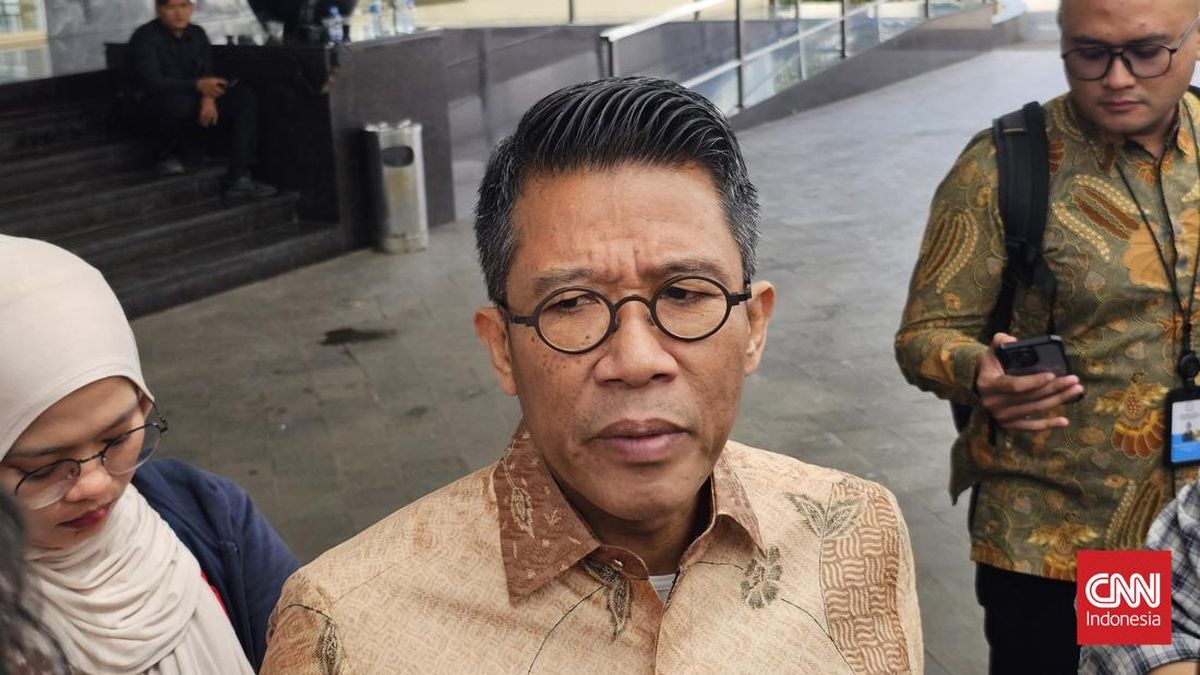
Golkar Party legislator Misbakhun, who chairs Commission XI of the House of Representatives (DPR), has expressed his belief that the administration of President Prabowo Subianto is open to criticism and willing to follow up on it. He cited various criticisms regarding alleged irregularities in the Free Nutritious Meals (MBG) programme as an example.
Specifically, Misbakhun responded to the reactions of some Indonesian Democratic Party of Struggle (PDIP) elites to current political dynamics and waves of public protest. He stated that he respects the criticisms directed at the government by PDIP politicians. However, Misbakhun admitted that he has yet to find substantive and solution-oriented elements in the various criticisms delivered by PDIP.
“PDI Perjuangan has had long experience in government and state policy. Therefore, the criticism conveyed should be more mature, proportional, and solution-oriented, rather than adding heat to the situation,” Misbakhun said.
He further stated that although Indonesia’s constitutional system and practice do not formally recognise an opposition, every political party should still demonstrate a clear and consistent position. According to him, parties should not play a ‘two-legged’ game by choosing a position of being both inside and outside of power.
“Do not position yourselves as a balancing force, yet when a good government programme is appreciated, you also want to score points. Conversely, immediately launch harsh criticism when a government programme is facing problems. That two-legged political stance is not elegant,” Misbakhun added.
Previously, PDIP declared that it holds a balancing position in the government. PDIP Central Executive Board Chairman Deddy Sitorus asserted that the party’s political stance as a balancing force is demonstrated through its check and balances function. He argued that when the majority of parliamentary seats are dominated by parties supporting the government, it is difficult to imagine they will remain critical. In such conditions, Deddy assessed that the current function of parliament is no different from the political situation during the New Order era. “If all factions in the DPR are only capable of being obedient and agreeing with the executive, what is the difference from the New Order era? Is the DPR still needed?” he said.