
Golkar Faction: BOS Funds Must Reflect Real Educational Needs
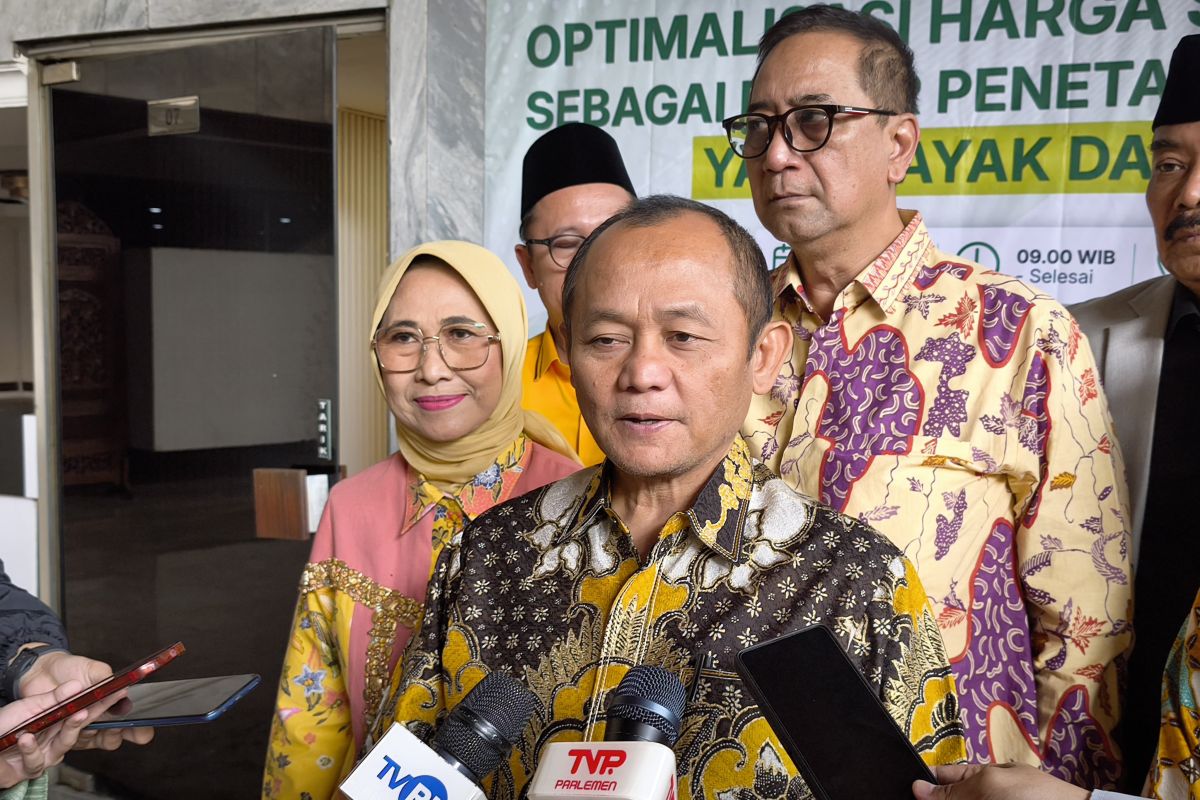
Jakarta (ANTARA) - M. Sarmuji, chairman of the Golkar Party faction in the House of Representatives (DPR RI), has urged that the amount of School Operational Assistance (BOS) funds be determined based on the real needs of delivering education, so that the resulting policy is better targeted and fairer.
Sarmuji said the approach to drafting the education budget should begin by calculating the actual cost of education, and only then aligning it with state budget support.
“For too long we have set the BOS based on the budget available, then asked whether that is enough. The more honest question should be reversed: how much is needed, and only then do we decide how much must be provided. Behind the word ‘free’, there is a burden that has quietly been borne by families and contract teachers. It is time we fixed the way we calculate,” Sarmuji said in a written statement in Jakarta on Monday.
He made the remarks at a National Education Seminar titled “Optimising Education Unit Costs as the Basis for Determining Fair and Equitable Education Costs” at the parliamentary complex in Senayan, Jakarta, on Monday. The seminar was attended by around 200 school principals, teachers, school committee members and education observers from the Greater Jakarta (Jabodetabek) region.
He said a study compiled by the Golkar Party faction, drawing on data from the Ministry of Primary and Secondary Education (2024), the Ministry of Education and Culture’s policy papers (2020), and Statistics Indonesia (BPS) data, showed that the cost of educating a child comprises three components: school operational costs, educator costs, and costs still borne by families.
“At the primary school level, for example, if all three layers are added up, the appropriate cost reaches around Rp18 million per child per year. Meanwhile, the BOS received by schools is only Rp900,000,” Sarmuji said.
The study also identified the need to refine the BOS scheme to give greater consideration to the characteristics of each educational unit and regional conditions.
According to him, the financing needs of vocational schools differ across fields of specialisation, while schools in regions facing geographical challenges require greater operational cost support.
Sarmuji believes education policy-making must be grounded in data and real conditions on the ground, so as to strengthen equitable access to and quality of education across various regions.
From the seminar, the Golkar faction hopes two concrete documents will emerge: a set of policy recommendations to be submitted to the government, and a record of the discussions that can serve as a reference for deliberations on BOS and Education Unit Operational Assistance (BOSP) policy in the coming budget cycle.