
Goldman Sachs Predicts Oil Prices Will Surpass US$120 per Barrel
The ongoing war between the United States (US) and Iran is causing a surge in oil prices. Goldman Sachs warns that oil prices could reach nearly US$120 per barrel by the end of this year if the war does not end.
This potential price increase stems from fading hopes of continued peace between the US and Iran, leading to prolonged halts in shipments from the Gulf.
The bank’s commodity analysts have raised their projections and now estimate that, in their base scenario, Brent crude will trade at an average of US$90 per barrel in the last three months of this year. This is up from their previous projection of US$80.
Goldman Sachs adds that if exports do not return to normal levels by the end of July and if there is a sustained reduction in Gulf production capacity of 2.5 million barrels per day, then oil prices could average nearly US$120 in the fourth quarter.
Goldman now forecasts that US oil, West Texas Intermediate, will trade around US$83 per barrel in the final quarter of this year in their base scenario. This figure is up from the previous estimate of US$75.
Brent crude has also risen to US$109.32 since the start of this week. This price marks the highest level since before both sides agreed to a ceasefire this month. It had already risen 2.9% to US$108.33 after hopes of further peace talks faded. WTI rose 1.9% to US$96.16.
As is known, the US had previously planned to send a delegation to Islamabad for peace talks, but this plan was cancelled by President Donald Trump last weekend, citing too much time wasted on travel.
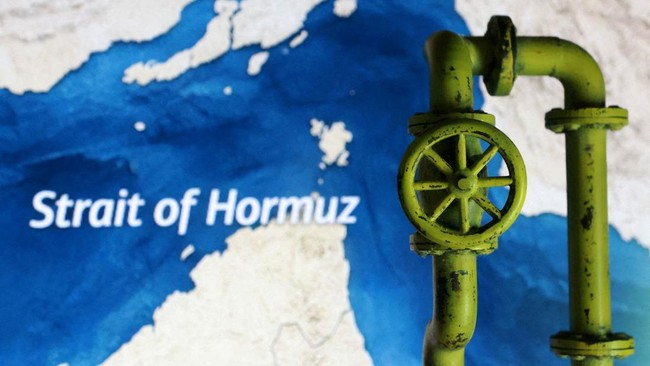
Iran’s Foreign Minister had left Pakistan just a few hours earlier. Shipping traffic through the Strait of Hormuz remains almost halted nearly two months since the war began.
One liquefied natural gas tanker crossed the strait on Monday morning, along with two cargo ships heading to Oman and one to India, but traffic through this normally busy critical point remains severely restricted.
Oil prices have surged more than 20% since 17 April 2026, amid stalled peace negotiations between the US and Iran and the implementation of a naval blockade by Washington in the Strait of Hormuz.
Several times in March, Brent oil prices approached US$120 per barrel, though they quickly fell back each time.
“Prices remain below the late March peak, likely because market expectations of the reopening of the Strait of Hormuz have reduced the risk premium and led to stock drawdowns,” Goldman analysts wrote, citing the Financial Times on Tuesday (28/4/2026).
Meanwhile, long-term Brent futures contracts indicate the market still expects oil prices to fall, such as the December 2025 contract trading around US$85.80 per barrel.
Goldman notes there will be a long-term “scar” on Gulf production capacity of about 500,000 barrels per day, particularly due to losses in Iraq.
The war’s impact has also hit global stock markets, which have risen despite recent oil price increases, with the S&P 500 and Nasdaq Composite closing at record highs on Friday thanks to strong corporate earnings reports.
Goldman analysts also warn that the economic impact from rising energy prices will be greater than indicated by oil prices alone, due to risks of product shortages and the unprecedented scale of the shock.
The bank also highlights the risk of restrictions on US oil exports, which could further widen the price spread between Brent and US oil.
Meanwhile, Wall Street bank Morgan Stanley estimates that oil flows through the Strait of Hormuz will return to normal by the end of May 2026. They forecast Brent at US$110 per barrel in the second quarter, gradually declining to US$80 per barrel in 2027.