
Gold Prices Suddenly Surge Again, Jumping Over 2% in 24 Hours
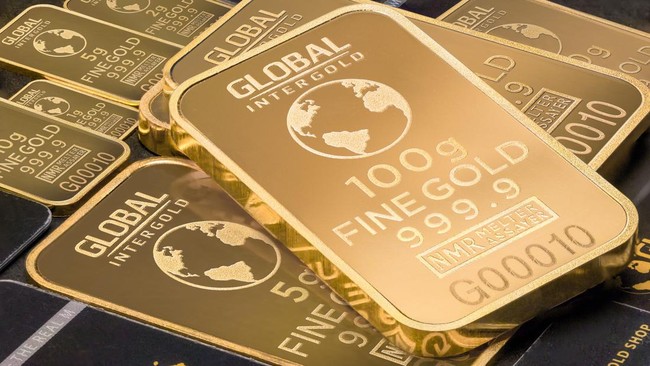
Gold and silver prices surged after weaker-than-expected United States non-farm payrolls data dampened expectations for a Federal Reserve interest rate hike this year. According to Refinitiv, gold closed at US$4,122.80 per troy ounce on Thursday (2/7/2026), jumping 2.3% in a single day. The rally extended gold’s positive trend, with a 2.8% gain over two consecutive days, and the closing price was the highest since 22 June 2026. On Friday (3/7/2026) at 06:10 Western Indonesia Time, gold stood at US$4,125.47 per troy ounce, up 0.07%. Meanwhile, the US dollar index weakened 0.5% to 100.856, a nine-day low, making the dollar-denominated precious metal cheaper for holders of other currencies. David Meger, director of metals trading at High Ridge Futures, said the weaker-than-expected employment data reduced the likelihood of the Fed raising rates again this year. “The lower-than-expected job creation numbers indicate a diminishing probability of interest rate hikes for the remainder of the year. As we know, gold tends to perform better in a lower interest rate environment,” he said. The US Department of Labor reported the economy added only 57,000 jobs in June, well below economists’ projections of 110,000, while the unemployment rate stood at 4.2%. A day earlier, data also showed lower-than-expected private sector job growth in June. Based on the CME FedWatch Tool, market participants now see a 51% chance of a Fed rate hike in September, down from 66% before the employment data release. On Wednesday, Fed Chair Kevin Warsh noted that inflation expectations and risks had declined in recent weeks, while reiterating the central bank’s commitment to bringing inflation down to the 2% target. The World Gold Council reported that central banks actively added to their gold reserves in May, with official global gold reserves rising by a net 41 tonnes during the month. On the geopolitical front, Iran and the United States concluded the latest round of indirect talks on Wednesday without significant progress towards a sustainable peace. Saxo Bank analyst Ole Hansen said gold prices are currently in overbought territory according to various indicators, requiring a consolidation phase. “If the fourth-quarter trend of a weakening US dollar, falling stock markets, and declining bond yields continues, gold has the potential to break higher,” he said. Julius Baer analyst Carsten Menke noted that gold price movements in non-dollar currencies are primarily influenced by those currencies’ performance against the dollar. “We see the gold market in a long-term recovery phase driven by normalising market sentiment, a weakening US dollar, and returning investment interest,” he said. Rising investor interest in gold is also reflected in holdings of the SPDR Gold Trust, the world’s largest gold ETF, which rose to 795.31 tonnes, the highest since early August. UBS analyst Giovanni Staunovo assessed that recent market turmoil has again proven gold remains an effective safe-haven asset capable of reducing investment portfolio volatility. “Gold prices have moved according to expectations during this period of uncertainty, strengthening as expectations for Fed rate hikes next year decline and stock markets weaken,” he said.