
Gold Prices Soar Again, Here Are the Conditions Needed to Break Records
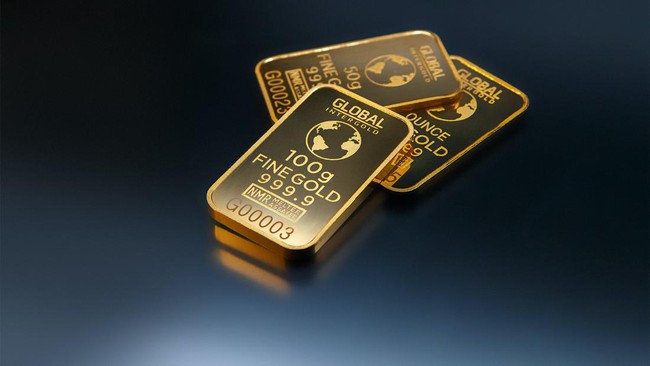
Gold prices rose more than 1% on Thursday, lifted by falling oil prices amid optimism that the Iran conflict may soon come to an end. This condition pressured the United States dollar and pushed bond yields lower, thereby increasing the appeal of gold.
Referring to Refinitiv, gold prices in trading on Thursday (4/6/2026) closed at US$4,473.89 per troy ounce, a leap of 0.95%. This increase was welcome news after prices tumbled 1.2% on Wednesday. Today, gold prices began to ease. On Friday (4/6/2026) at 06:35 Western Indonesian Time, gold was at US$4,465.51 per troy ounce, weakening by 0.18%.
According to independent analyst Tai Wong, reports of a ceasefire agreement between Israel and Lebanon pressured the US dollar and bond yields, helping gold prices hold above the technically important 200-day moving average level. The dollar index closed at 99.41 in yesterday’s trading, down from 99.5 on Thursday. Global gold purchases are converted into dollars, so the weakening of the US dollar boosted demand.
Israel and Lebanon stated on Wednesday evening that they had agreed to implement a ceasefire. This agreement spurred hopes for negotiations between Washington and Tehran. Oil prices fell more than 3% as the market anticipated the Strait of Hormuz would be reopened. Meanwhile, the decline in US government bond yields, including the 10-year tenor, further enhanced the attractiveness of gold, which is considered a safe-haven asset.
Nevertheless, Wong assessed that the chance for gold to set a new record high this year remains slim. A record might be possible if a permanent ceasefire with Iran is achieved, reopening the Strait of Hormuz and calming market fears over higher interest rates. “A new gold price record this year looks increasingly difficult to achieve, unless there is a clear and lasting ceasefire with Iran that allows the Strait of Hormuz to be reopened. That way, energy prices could fall and the market would no longer worry about the possibility of higher interest rates,” said Tai Wong, as quoted from Refinitiv.
Gold, known as a hedge when uncertainty rises, had hit a record high of US$5,594.82 per troy ounce on 29 January. However, since the Iran conflict erupted in late February, gold prices have corrected by around 16%. High interest rates also put pressure on gold because the precious metal provides no yield. Market participants are now awaiting the release of US employment data for May on Friday, which will provide important clues about the labour market conditions and the future direction of the Federal Reserve’s monetary policy.