
Gold Prices Plunge: 3% Daily Drop to US$ 4,300 Level
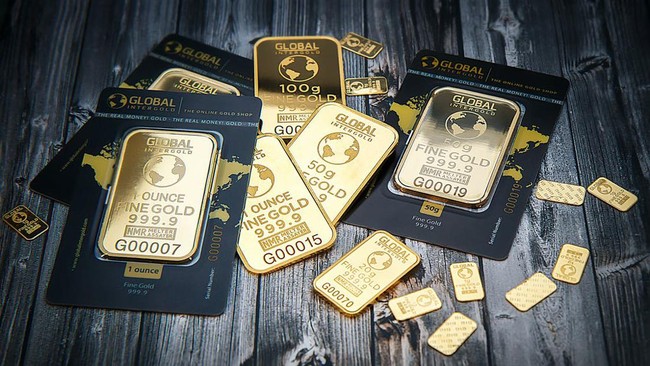
Gold prices have collapsed. Rising US Treasury yields and a strengthening US dollar have exerted downward pressure on prices.
According to Refinitiv, gold prices on Tuesday (1/9/2026) closed at US$ 4,328.6 per troy ounce, representing a 2.7% slump. This weakness has brought gold to its lowest level since 6 August 2026.
The decline over the past two days has extended gold’s recent struggles, with prices falling 6% over three consecutive days.
Gold prices began to recover slightly today. On Wednesday (2/9/20226) at 06:56 WIB, gold prices rose 0.05% to US$ 4,330.83 per troy ounce.
“We are seeing technical selling pressure. Global bond yields are at the highest levels not seen in years. All of this is weighing on the gold market,” said Jim Wyckoff, market analyst at the American Gold Exchange, to Reuters.
According to him, the drop in gold prices below the 200-day moving average serves as a significant technical signal.
US Treasury yields rose to their highest level since January 2025 on Tuesday, amid increasing tensions in the Middle East which have triggered inflation concerns and global bond sell-offs.
Although gold is traditionally viewed as a hedge against inflation, rising interest rates and Treasury yields typically pressure gold by increasing the opportunity cost of holding a non-yielding asset. A stronger US dollar also makes gold, priced in dollars, more expensive for buyers outside the US.
Gold prices had reached a three-month high last week before plunging more than 3% on Friday. The decline occurred after US Federal Reserve Chair Kevin Warsh stated there is still “work to be done” if inflation does not descend towards the central bank’s 2% target.
These statements prompted market participants to increase bets on an interest rate hike in September. According to the CME FedWatch Tool, there is currently a 66% probability of the Fed raising interest rates this month.
Investors are now awaiting the ADP employment report on Wednesday and non-farm payrolls data on Friday for further clues regarding the direction of US economic policy.
“For now, the most likely path for gold is to move sideways or tend to weaken in the short term. The same applies to silver,” said Wyckoff.