
Gold Prices Plummet Due to The Fed and US Economic Data
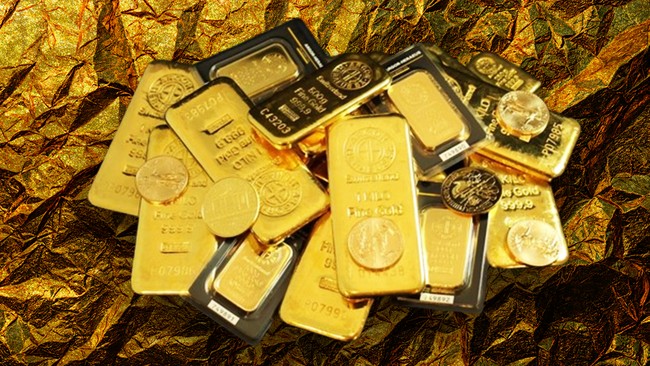
Jakarta, CNBC Indonesia - Global gold prices have plummeted throughout this week. The pressure has intensified after US inflation data remained high, causing the market to doubt the US central bank (The Federal Reserve/The Fed) regarding future interest rate cuts.
According to Refinitiv data, gold prices closed at US$4,538.01 per troy ounce on Friday (May 15, 2026). This price fell 2.40% compared to the previous trading day.
The decline on Friday extended the gold’s correction to four consecutive days.
On a weekly basis, gold prices also weakened sharply by 3.74%. This correction reversed the gains from the previous week, when gold was still able to rise 2.18%.
The pressure throughout this week pushed gold further away from the US$4,700 per troy ounce level. Gold prices are also getting closer to the psychological level of US$4,500 per troy ounce, which is an important area for market participants.
The main pressure on gold this week came from US inflation data, which was higher than expected. Consumer price index (CPI) and producer price index (PPI) showed that price pressures in the US remain strong.
This condition has reduced expectations of The Fed cutting interest rates in 2026.
Previously, the market was still open to the possibility of one or two interest rate cuts this year. However, after the inflation data was released, market participants began to predict that The Fed would only cut interest rates once, and there is even a possibility of no cuts at all.
For gold, expectations of high interest rates are a major pressure. Gold does not provide the same returns as bonds. When US interest rates and bond yields are high, investors tend to be more interested in interest-bearing assets.
The pressure on gold has also increased after Kevin Warsh was confirmed as the new Chairman of The Fed. Warsh is seen as more hawkish, or more likely to support a tight interest rate policy to curb inflation.
The expectation of a more stringent Fed policy has also strengthened the US dollar and US government bond yields. A stronger dollar makes gold more expensive for buyers outside the US, while rising yields reduce the attractiveness of gold.
The situation is quite complicated. On the one hand, the US-Israel war against Iran and the closure of the Strait of Hormuz should be able to support gold as a safe-haven asset. However, the impact of the war has also raised energy prices and increased the risk of inflation.
With these conditions, geopolitical sentiment is not yet strong enough to lift gold. The market is instead more focused on inflation risks, the direction of The Fed’s interest rates, the strengthening of the US dollar, and the rise in bond yields.
In the future, gold movements will still be influenced by comments from Fed officials, the direction of Kevin Warsh’s policy, developments in the Iran war, and the flow of institutional funds into gold assets. As long as expectations of high interest rates remain strong, the potential for gold to recover will likely remain limited.
CNBC INDONESIA RESEARCH