
Gold Prices Jump More Than 1%, Has the Worst Crisis Ended?
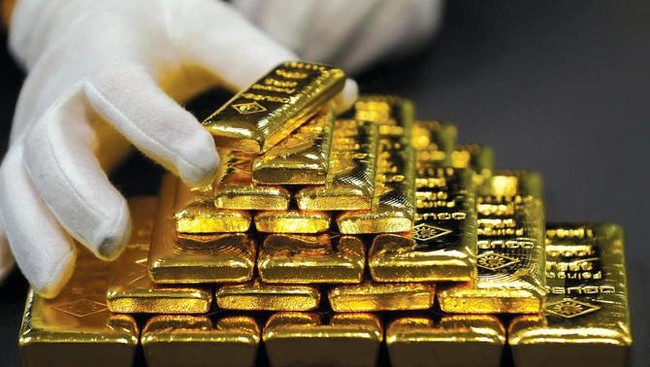
Gold rose by about 1% as hopes for a resolution to the Iran conflict grew, weighing on oil markets, easing some inflation concerns, and pushing down US Treasury yields from their latest highs. Refinitiv data showed gold finished Wednesday, 20 May 2026, at US$4,543.13 per troy ounce, up 1.38% from the previous session. The gain followed a near-2% slide on Tuesday.
Gold prices slipped on Thursday. By 06:32 local WIB on Thursday, 21 May 2026, gold was trading at US$4,537.55 per troy ounce, down 0.13%.
“We are seeing a pause in the rally in yields,” said David Meger, director of metals trading at High Ridge Futures. “As a result, gold has managed to rebound from recent lows.”
US 10-year Treasury yields fell slightly after touching their highest since January 2025 on Tuesday. Higher yields increase the opportunity costs of holding non-yielding gold.
“Any form of settlement of the war or reopening of the Strait of Hormuz would be positive for the gold market because of the expectation that rates would fall, which would support gold,” Meger added.
Brent crude futures eased after Donald Trump again said that war with Iran would end very quickly.
However, investors remain cautious about peace talks as supply disruptions in the Middle East persist.
The minutes of the Federal Reserve’s April meeting showed officials warned that war with Iran could spur inflation, strengthening support for possible rate hikes. A majority of policymakers said tighter monetary policy could be warranted if inflation stays above target of 2%.
Although gold is often seen as an inflation hedge, non-yielding gold tends to underperform in a high-rate environment.
Investors now price about a 48.6% chance that the Fed could raise rates in December, and about 89.6% that the central bank will hold rates at its next meeting in June.
Meanwhile, Citigroup said it remains cautious on gold in the near term with a price target of around US$4,300 per ounce for the zero-to-three-month horizon.