
Gold Prices at a Crossroads: A Temporary Dip or a Descent into the Abyss?
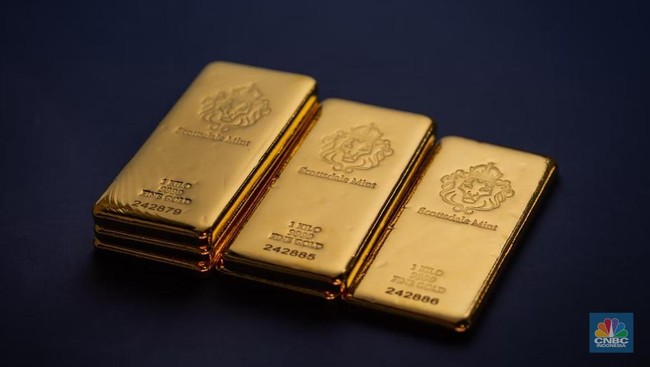
Following a period of significant losses in recent trading, gold and silver prices have entered a highly challenging phase. A combination of hot US inflation, surging bond yields, a strengthening US dollar, and fading hopes for Federal Reserve interest rate cuts were the primary factors weighing on prices last week.
According to Refinitiv data, gold prices closed at US$4,538.01 per troy ounce on Friday (15/5/2026), marking a 2.40% drop from the previous session. On a weekly basis, gold prices plummeted by 3.74%, marking the worst performance since the second week of March 2026. As of Monday (18/5/2026), prices showed slight signs of recovery, trading at US$4,534.36 per troy ounce, up 0.25%.
Gold price projections have become increasingly uncertain. While gold previously surged on expectations of Fed rate cuts, that narrative has largely vanished after three consecutive US inflation reports exceeded forecasts. This has forced market participants to unwind their bullish positions. Gold, once a preferred safe-haven asset, now faces heavy pressure from rising US bond yields and a dominant dollar.
Technically, gold is currently in a consolidation phase. Prices are held within a resistance area of US$4,710–US consideration US$4,730 per troy ounce, while key support lies between US$4,670 and US$4,640. If resistance is broken, gold could test the US$4,740–US$4,770 level. However, if support fails, prices could slide towards US$4,600 per troy ounce. The most critical level for investors is US$4,481.78, which sits approximately 20% below the all-time high of US$5,602.23. A close below this level would technically signal the start of a bear market.
According to Traders Union analysis, the short-term outlook for gold remains moderately positive as long as primary support holds. However, volatility is expected to remain high as the market adjusts expectations regarding Federal Reserve policy. Fundamentally, the precious metals market is also being influenced by India’s policy to tighten silver imports to protect foreign exchange reserves and curb US dollar outflows.
Furthermore, geopolitical tensions between the US and Iran, alongside an 8%-10% surge in oil prices—which remain above US$100 per barrel—are exacerbating the situation. Uncertainty regarding US-Iran peace efforts and disruptions in the Strait of Hormuz have heightened global inflation concerns, ultimately reducing the likelihood of interest rate cuts. This week, investors will focus on Chinese economic data, PMI indices, US housing data, weekly jobless claims, and the Federal Open Market Committee (FOMC) minutes, all of which will serve as decisive factors for gold’s future direction.