
Gold Price Plunges Over 2% to US$3,960, an Eight-Month Low
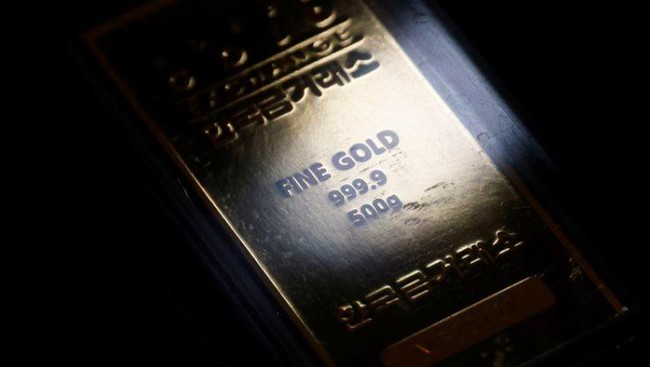
Gold prices fell 2% amid rising tensions in the Middle East, which pushed up oil prices and US government bond yields. These conditions triggered inflation concerns and strengthened expectations that US interest rates will remain high. According to Refinitiv, gold prices in trading on Thursday (16/7/2026) closed at US$3,969.94 per troy ounce, a drop of 2.3%. The closing price was the lowest since 4 November 2025, or an eight-month low. Yesterday’s decline also erased a two-day winning streak that had seen a 1.4% gain. Gold prices recovered slightly today. On Friday (17/7/2026), gold was priced at US$3,977.5 per troy ounce, up 0.19%. The slump in gold is closely linked to renewed turmoil in the Middle East. Oil prices held near one-month highs after growing concerns over energy supplies from the region. The concerns arose after Iran asked the Houthi group in Yemen to prepare to close the oil shipping lane in the Red Sea if the US attacks Iran’s electricity infrastructure. The rise in oil prices triggered fears of higher inflation. This increased expectations that interest rates will remain high, thereby reducing the appeal of gold as a non-yielding asset. “Oil prices are rising again. With higher Brent prices, the market’s expectation that US bond yields will continue to rise is strengthening, and there is even a possibility of a rate hike as early as September. That is what is currently pressuring gold prices,” said Bart Melek, Global Head of Commodity Strategy at TD Securities, as quoted by Reuters. Based on the CME FedWatch Tool, market participants now see a roughly 53% chance that the Federal Reserve will raise interest rates at its September meeting. The yield on the 10-year US government bond also moved higher. At the same time, the US dollar index strengthened by 0.2%, making gold more expensive for buyers using other currencies. Fed Chair Kevin Warsh this week reiterated his commitment to bringing down inflation, though he gave no specific guidance on the next policy rate move. Meanwhile, economic data released this week showed inflationary pressures beginning to ease. Data on Tuesday showed US consumer inflation slowed in June, while data on Wednesday showed the Producer Price Index (PPI) experienced a decline. “Although some short-term economic data is starting to weaken, persistently high energy prices will make it difficult for the Fed to adopt a more dovish stance. For the same reason, investors currently prefer the US dollar over non-yielding gold,” said Forex.com market analyst Fawad Razaqzada in a research note.