
Godzilla El Niño 2026 Threatens Thousands of Hectares of Sumatra Peatlands
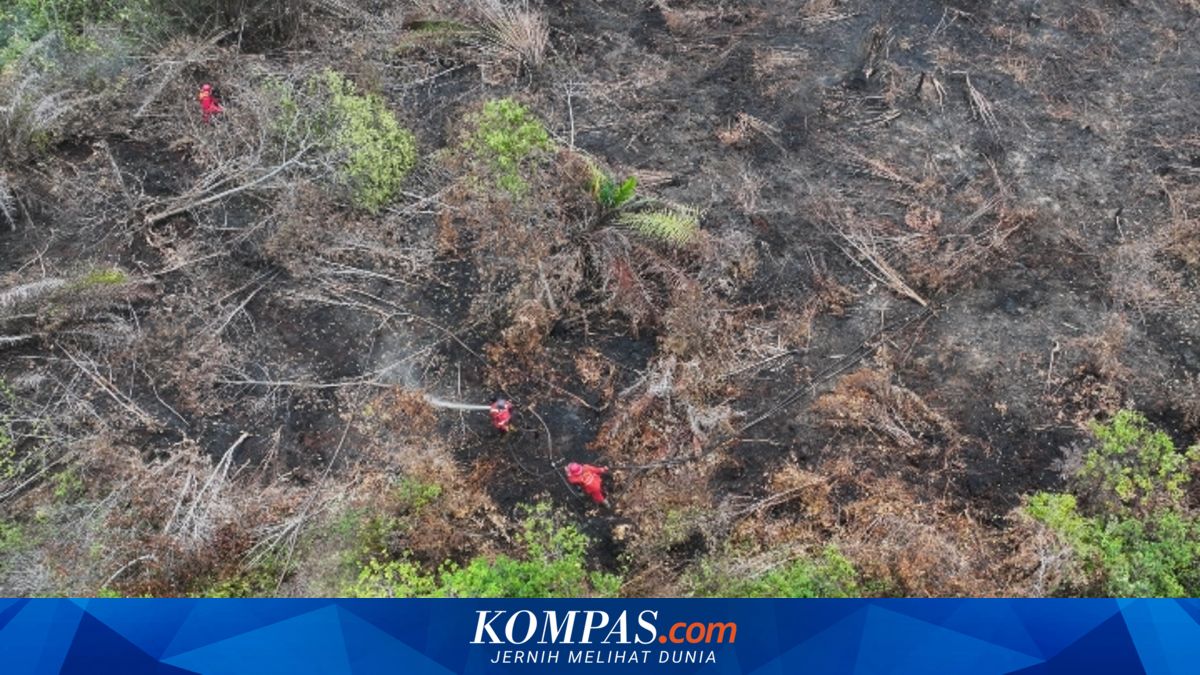
Throughout the period from January to March 2026, 23,546 hotspots were detected in national Peat Hydrological Units. This staggering figure has triggered concerns about a larger ecological disaster, given peat’s vital role as a global carbon store. Peat Watch Campaigner Putra Saptian revealed that the distribution of these hotspots is highly concentrated in certain areas. Riau is the most severely affected province with 8,930 hotspots, followed by Aceh (1,975), Jambi (359), and South Sumatra (164). He added that most hotspots are located within concession areas, including Land Use Rights (HGU) and Forest Utilisation Business Permits (PBPH). The Dilemma of Canals and Monoculture Expansion Repeated fires in concession areas are suspected to be closely linked to industrial activities. Canal construction aimed at drying land for monoculture plantations causes peat to lose its natural moisture and become highly flammable. ‘This finding shows that the practice of drying peat through canal construction and the expansion of monoculture plantations remains the dominant factor in recurrent fires,’ Putra emphasised. He urged all stakeholders to be wary of the arrival of ‘Godzilla’ El Niño, a super-strong El Niño that could cause more severe extreme weather than usual. In agreement, Walhi Jambi Programme Manager Aditya Prakoso stressed that the root cause of land and forest fires lies in land management in the industrial sector. According to him, handling should not stop at firefighting alone. ‘The root problem is in land governance, peat ecosystem protection, and high-risk land opening practices in the industrial sector,’ he said. Scientifically, peat protection is key to curbing the pace of climate change. Indonesia’s peatlands are estimated to store around 57 gigatons of carbon—equivalent to 20 times the carbon reserves in ordinary mineral soils. Globally, peat stores about 30 percent of the world’s carbon. Putra explained that if this land is dried or burned, carbon stored for thousands of years will be released into the atmosphere as greenhouse gases.