
GM Adds 50 Robots to Factory After Laying Off Over 1,000 Workers
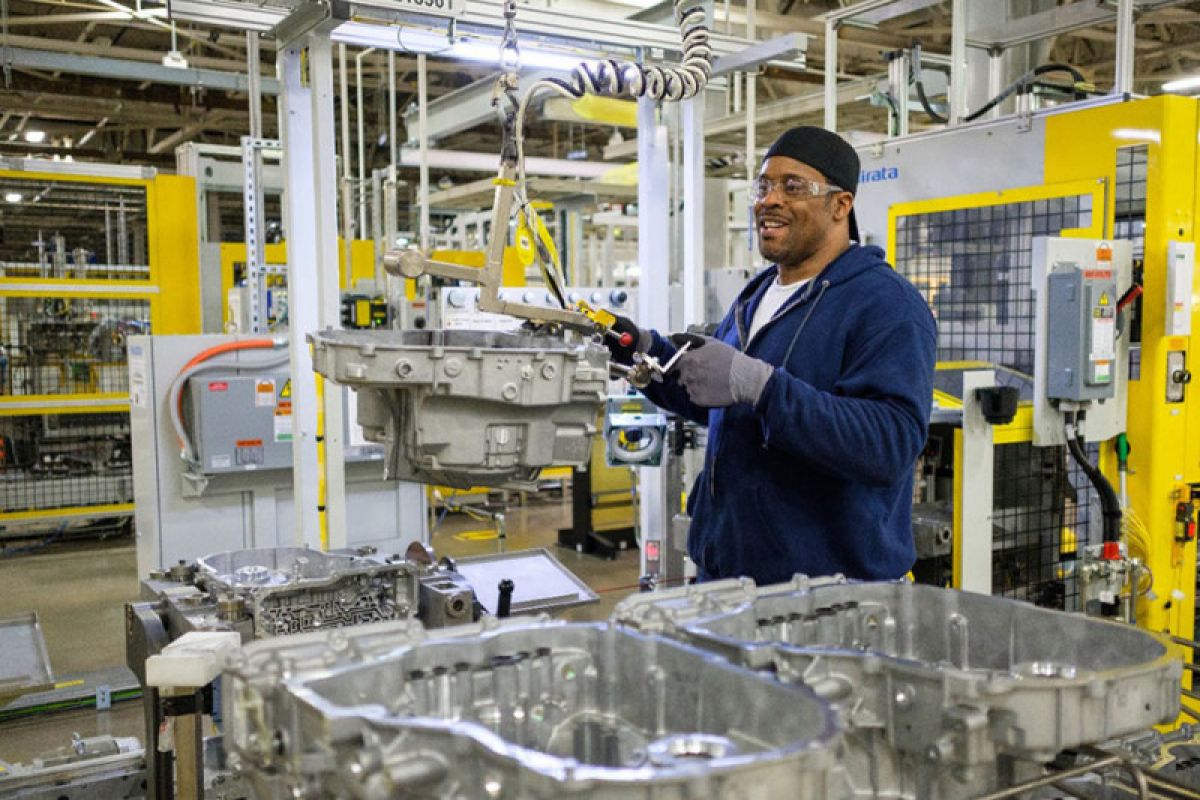
Several weeks after General Motors (GM) relaxed its commitment to electric vehicles (EVs) and laid off more than 1,000 workers at its Factory Zero facility, the company has begun installing more collaborative robots on the assembly line.
As more automakers rely on automation and artificial intelligence (AI) to reduce labour costs while maintaining domestic production, GM is no exception. According to James Cotton, President of United Auto Workers (UAW) Local 22, which represents workers at the plant, the American automotive company behind Chevrolet, GMC, Buick and Cadillac has added around 50 collaborative robots, or cobots.
These machines work directly alongside humans, tasked with installing various vehicle components along the production line. Cotton believes the presence of these robots is taking jobs from the union members he represents.
"It is always a concern when you see robots entering a plant, especially after they laid off over a thousand people. They say this is the wave of the future, and if that is the case, they are eliminating human jobs," Cotton said.
Cotton also stated that the union has filed a formal objection against GM regarding the deployment of these robots, whilst also raising concerns about machines working in very close proximity to humans.
GM spokesperson Kevin Kelly said the robots were installed as part of the company’s effort to bring more advanced technology into its operations. GM also stated that the robots help improve workplace safety and ergonomics, whilst keeping operations flexible and competitive.
The automaker confirmed that dozens of new robot units have been added to the plant as part of a broader automation strategy.
Masters told Crain’s Detroit that the number of labour hours required to produce a vehicle has decreased by approximately 50 to 70 per cent since the 1980s. He described automation as a trend that is transforming the industry on a massive scale, although its full impact remains not entirely clear.
However, due to limited demand for electric vehicles in the US, the number of work shifts at the plant was reduced and many workers were laid off. Additionally, production was temporarily halted several times.
This issue is expected to be one of the main topics ahead of the 2028 UAW contract negotiations.
"We are currently facing one of the most profound technological revolutions in our lives with the advent of AI, the threat of humanoid robots, and mass automation. This is a major threat and challenge to our way of life, our economy, and our political system," said UAW President Shawn Fain.