
Glodok Chinatown Encouraged to Become Jakarta's Gastronomic Tourism Icon
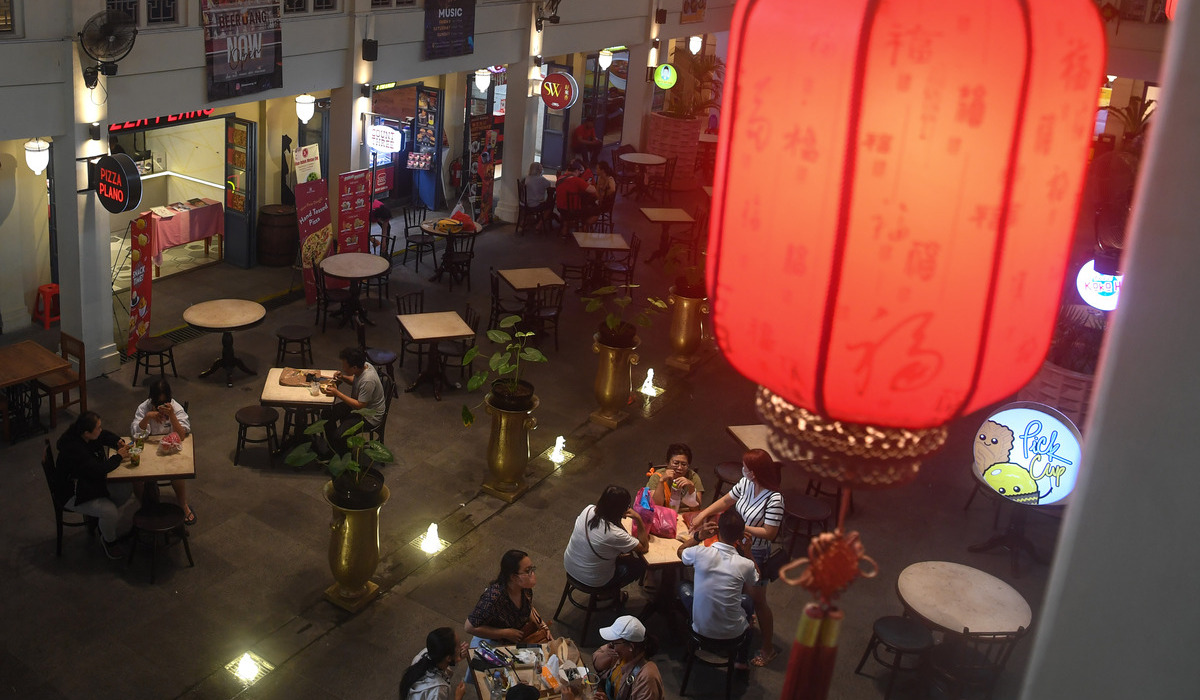
Amid increasingly fierce competition among urban tourist destinations, the Glodok Chinatown area is considered to have significant potential to emerge as an icon of gastronomic tourism for Jakarta. Regrettably, the wealth of Chinese-Betawi cuisine, born from centuries of cultural acculturation, has yet to be optimally managed as a tourist identity or a symbol of the capital’s signature souvenirs. This issue was highlighted during a Community Service (PKM) activity titled ‘Literacy on the Charm of Chinese-Betawi Gastronomic Tourism to Strengthen Jakarta’s Tourism Image in the Glodok Chinatown Area’ and ‘From Kitchen to Dialogue: Building Tolerance through Intercultural Communication Based on the Story of the Traditional Nusantara Food Kueh Ang in Glodok Chinatown, West Jakarta’, conducted by Mercu Buana University (UMB) together with the Indonesian Association of Culinary Experts (Ikaboga). The activity took place on Monday (8/6) at the RW 01 Office in Glodok, West Jakarta, attended by 25 participants including members of Ikaboga Indonesia, MSME players and aspiring culinary entrepreneurs, Generation Z, PKK women, the general public, RW administrators, Urban Village Consultative Council (LMK) officials, and the Glodok Tourism Awareness Group (Pokdarwis).
Mercu Buana University academic Rosmawaty Hilderiah Pandjaitan stated that gastronomy is no longer understood merely as an activity of eating and drinking but has developed into an important instrument in tourism communication and destination image building. ‘In the era of the experience economy, food has become a city’s communication tool. Tourists not only seek taste but also stories, history, identity, and the cultural experience attached to the food,’ she said. She explained that the Glodok Chinatown area holds a unique gastronomic wealth because it was born from the long interaction between Chinese and Betawi cultures. This heritage is not only culturally valuable but also possesses significant economic potential if managed professionally through a gastronomic tourism approach.
Rosmawaty revealed that based on global culinary tourism market projections for the 2025–2032 period, the gastronomic tourism sector is expected to grow to over USD 1.66 trillion by 2032 with an annual growth rate of 14.5 percent. Furthermore, more than 55 percent of global tourists now consider culinary experiences a major factor in determining travel destinations. ‘This shows that gastronomy has become a new force in the global tourism industry. Jakarta should not only be known as a business and government centre but must also be able to utilise its cultural culinary wealth as a competitive tourist attraction,’ she said. According to Rosmawaty, one of the main challenges currently faced is the public’s low literacy regarding the historical, cultural, and economic values contained in Chinese-Betawi cuisine. Additionally, the absence of a strong curated gastronomic narrative means many local cuisines lack a clear positioning as an identity or typical Jakarta souvenir.
Therefore, Rosmawaty stressed the importance of applying the Community-Based Tourism (CBT) concept in developing gastronomic tourism in Glodok. Through this approach, the local community is not merely a spectator or recipient of tourism’s impacts but becomes the main actor involved in the planning, management, and distribution of the resulting economic benefits. ‘The local community must be both the owner and manager of the cultural heritage they possess. When the community is actively involved, economic benefits, cultural preservation, and destination sustainability can proceed in tandem,’ she asserted. During the occasion, Rosmawaty also highlighted Gohyong or Ngohiong as an example of a cuisine resulting from Chinese-Betawi cultural acculturation that has strong historical value and storytelling potential. According to her, this food was brought by Hokkien and Teochew migrants from Fujian Province, China, in the 19th century and subsequently underwent adaptation with local Betawi culture. One form of this adaptation is visible in the use of ingredients more suited to the preferences of the Muslim community in Jakarta. ‘The name Gohyong comes from the Hokkien term ’Ngo Hiang’, meaning five spices. Behind its flavour lies a long story of migration, acculturation, and cultural tolerance that is part of Jakarta’s history,’ she explained.
Meanwhile, fellow Mercu Buana University academic and speaker Santa Lorita Simamora highlighted the importance of a storytelling approach in promoting gastronomic tourism. According to her, food has a stronger appeal when accompanied by a story capable of building an emotional connection with tourists. She cited Kueh Ang as an example of culinary heritage that not only has a distinctive taste but also contains historical value, cultural symbols, and a message of tolerance relevant to Indonesia’s diverse society. ‘When people hear the story behind a food, they not only remember its taste but also the values and culture contained within it. That is the power of storytelling in building a tourism experience,’ she said. The activity is also part of efforts to preserve local gastronomic heritage amidst the strong currents of globalisation and the homogenisation of modern cuisine, which potentially erodes local cultural authenticity. The programme aligns with the Mercu Buana University Master Plan for Research and Community Service (RIPPkM) 2026–2030 in the flagship field of Business Sustainability through the topic of Tourism Communication.
Source: jawawa.id (https://jawawa.id/newsitem/glodok-chinatown-encouraged-to-become-jakartas-gastronomic-tourism-icon-1780990916)
Originally published by Media Indonesia (https://mediaindonesia.com/megapolitan/898502/kawasan-glodok-didorong-jadi-ikon-wisata-gastronomi-jakarta), translated from Indonesian