
Global Warming Increases Risk of Mental Health Disorders in Children
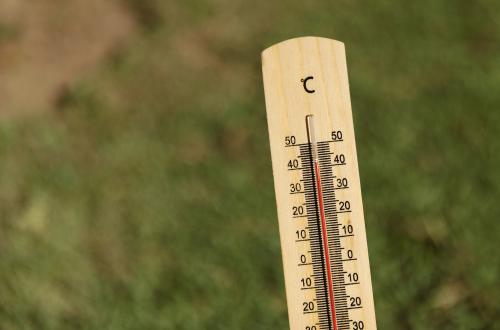
Heatwaves triggered by climate change not only threaten children’s physical health but can also impact their mental health, according to a recent study published in the International Journal of Epidemiology.
Researchers reported that every 1 degree Celsius increase in temperature is associated with a nearly 1 percent rise in the risk of children experiencing mental health problems.
For this review, the researchers used data from 23 studies examining the relationship between temperature and mental health. The findings showed that children aged 5 to 18 are the group most vulnerable to mental health disorders caused by heat.
Their risk of mental health problems also increased by 25 percent during heatwaves. Mental health issues that occur more frequently as temperatures rise include anxiety, depression, and suicidal thoughts and behaviours.
Researcher and global ecology expert at Flinders University, Australia, Corey Bradshaw, said children and adolescents are highly vulnerable to the effects of heat. Children are also more likely to require emergency department visits due to mental health problems.
“Children and adolescents are more vulnerable to the effects of heat because their bodies are still developing and they are not always able to protect themselves during extreme heat,” Bradshaw said.
Jacqueline Stephens, associate professor of epidemiology at Flinders University, said children’s vulnerability to climate change is not only related to body temperature but also to various social and developmental pressures.
Heatwaves can disrupt children’s outdoor activities, education, and their opportunities to play and engage in recreation. High night-time temperatures can also disrupt sleep. These conditions can ultimately affect children’s wellbeing and their ability to regulate emotions.
“The impact can even occur indirectly through families. Parental mental health, parenting stress, and family conflict are reported to increase during heatwaves and extreme weather events,” Stephens said.
According to her, adolescence is a sensitive period in mental health development, which can increase vulnerability to extreme heat. Higher temperatures have also been linked to poorer learning ability and academic achievement in children.
Syeda Hira Fatima, a postdoctoral researcher at the University of Canberra, Australia, said the next step is to better understand where and how children are exposed to heat in their daily environments. According to her, responses to these conditions need to be designed with children’s needs in mind.
Some forms of adaptation that can be undertaken include providing cooler classrooms, better ventilation, and outdoor areas with shade.
“Further research is also needed to determine whether these measures truly deliver meaningful improvements for children’s mental health and wellbeing,” Fatima said.
Source: jawawa.id (https://jawawa.id/newsitem/global-warming-increases-risk-of-mental-health-disorders-in-children-1787061172)
Originally published by Republika (https://ameera.republika.co.id/berita/tjyu7f328/pemanasan-global-tingkatkan-risiko-gangguan-mental-pada-anak), translated from Indonesian