
Global Warming Forces Wine Producers to Change Grape Varieties to Survive
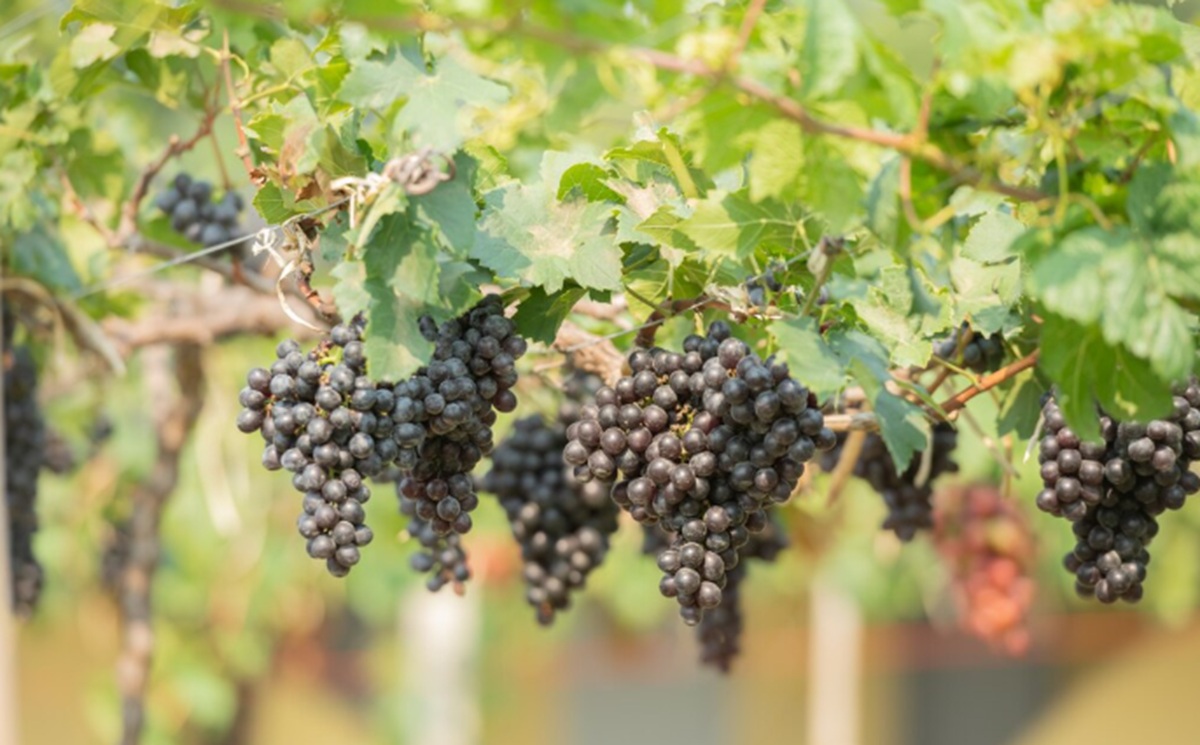
Global climate change has become a tangible threat, forcing the worldwide wine industry to adapt immediately. A recent study warns that grape growers will likely have to replace the varieties they cultivate if they wish to maintain business viability amidst rising global temperatures.
For centuries, the world’s leading wine-producing regions have relied on stable microclimate conditions. Popular varieties such as Cabernet Sauvignon, Merlot, and Chardonnay thrive within very specific temperature and rainfall ranges. However, the current shift towards extreme weather and rising global temperatures is beginning to disrupt fruit ripening cycles, ultimately damaging the balance of flavour, acidity, and alcohol content in traditional wines.
Researchers in this study projected future scenarios based on different levels of global warming. Modelling results indicate that if global temperatures rise by up to 2 degrees Celsius, most currently traditional vineyard regions will face a drastic decline in production quality. At even more extreme levels of warming, some regions are threatened with becoming entirely unsuitable for viticulture.
As a mitigation measure, the study suggests that producers should switch to grape varieties that are more resistant to heat and drought. For instance, regions that currently dominate the market with cool-climate varieties may need to begin planting varieties typically grown in warmer areas, such as Syrah or Grenache.
Nevertheless, this adaptation strategy is not easy to implement. The wine industry involves more than just agricultural suitability; it is closely tied to strict regulations, regional cultural identity, and consumer preferences. In several European countries, local laws even restrict which grape varieties can be planted in specific areas to maintain the prestige of certain regional labels.
A mass change in grape varieties will undoubtedly alter the global wine market landscape and force consumers to adjust their palates to new flavour profiles. Regardless, scientists emphasise that flexibility and the readiness of growers to switch varieties are the primary keys for this ancient industry to survive the adverse impacts of the ongoing climate crisis.