
Global Trends in Delayed Pregnancy and Infertility Drive Cross-Border Fertility Clinic Services
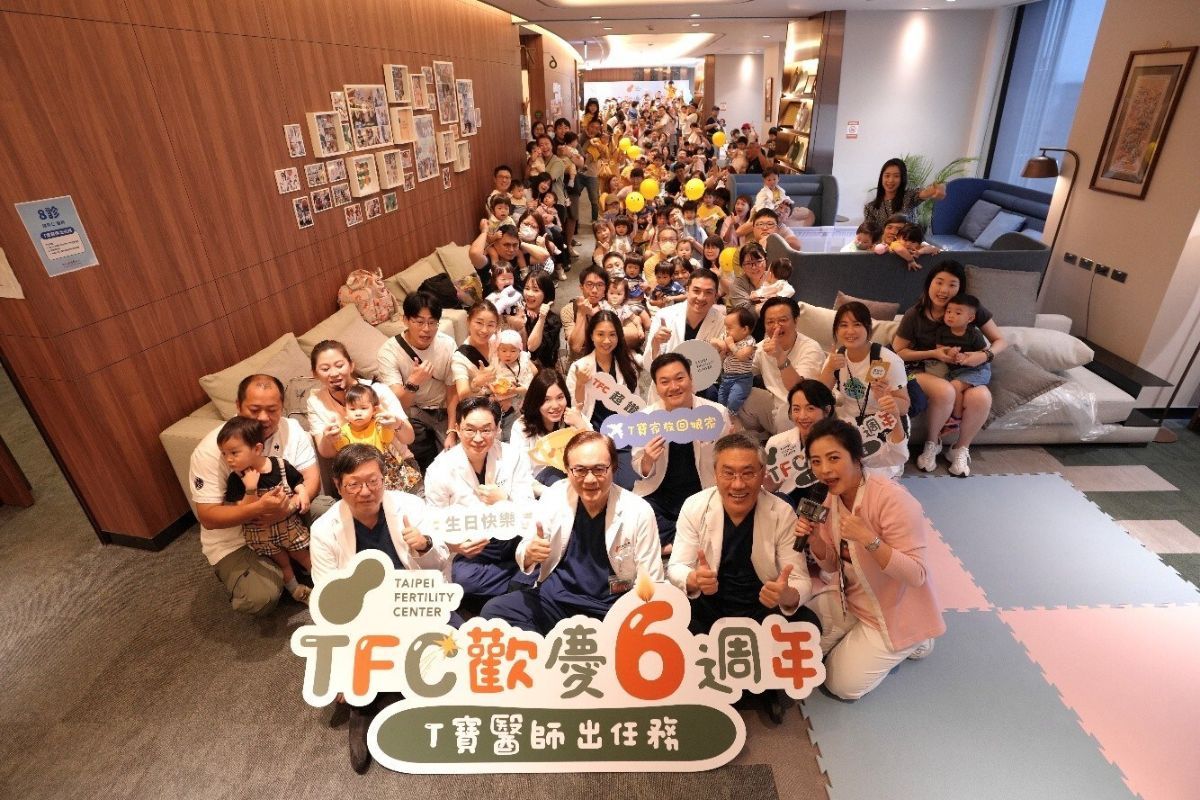
The trend of delaying marriage and childbirth, alongside rising infertility cases, continues to be a global concern. This situation is prompting more individuals and couples to seek reproductive healthcare services outside their home countries. As the average age of parenthood increases, differences in regulations, treatment costs, and service accessibility across various nations have made cross-border fertility services a specialised segment within the international medical landscape.
Approximately 23.2% of the global population experiences infertility, making the dream of parenthood a difficult journey for many families. Today, Taiwan’s world-class reproductive medicine has become a preferred destination for intended parents seeking fertility treatment across borders.
Based on data from over 2,300 international patient families treated at the TFC Taipei Fertility Centre, the 35–40 age group dominates the patient profile, while patients over the age of 40 account for nearly 30% of the total. These figures indicate that advanced maternal age and the trend of delaying childbirth are the two primary drivers of the influx of fertility patients.
For couples facing fertility issues, the decision-making process regarding medical destinations depends on more than just therapy success rates. Clinical experience, laboratory quality, regulatory conditions, cost transparency, language support, treatment scheduling, and follow-up services are also critical factors.
Taiwan is now emerging as a key destination for fertility patients from Asia, Europe, and North America. This position is supported by a mature regulatory framework, extensive clinical experience, high medical service standards, and relatively more affordable costs compared to several other countries. Consequently, the number of international patients seeking fertility services in Taiwan continues to increase annually.
Since its establishment in 2020, TFC has served families from five continents and over 50 countries and territories. In vitro fertilisation (IVF) remains the most sought-after service, followed by egg freezing, intrauterine insemination, and egg donation. Patients from Japan and France are generally constrained by regulatory restrictions in their home countries and advanced maternal age. Meanwhile, patients from Singapore, Malaysia, Hong Kong, and Macau prioritise cost efficiency and treatment effectiveness. Patients from the United States, the United Kingdom, and South Korea often seek treatment following multiple implantation failures or declining ovarian reserves.
According to the founder of the Taipei Fertility Centre, Dr Chii-Ruey Tzeng, in addition to excellence in reproductive health science, Taiwan offers support services that help international patients overcome language barriers and healthcare system hurdles. These services include comprehensive evaluations, personalised treatment plans, and rapid follow-up care.
By integrating artificial intelligence (AI)-based assessment technology and a precision medicine approach, TFC has developed an integrated patient management model that includes remote consultations, treatment planning, multilingual communication, and post-treatment follow-up services.