
Global Temperatures Forecast to Break Records Again Until 2030
Global average temperatures are expected to remain near record highs over the next five years. The projection was made by the World Meteorological Organization (WMO) in its latest report released on Thursday, 28 May. The United Nations weather agency’s report confirms that the long-term global warming trend continues.
According to WMO forecasts, annual global temperatures between 2026 and 2030 are projected to be 1.3 to 1.9 degrees Celsius above pre-industrial levels. The El Niño phenomenon, involving increased sea surface temperatures in the central and eastern equatorial Pacific, is likely to trigger new temperature records in 2027.
The WMO estimates a 91% chance that at least one year between 2026 and 2030 will exceed the 1.5°C warming threshold compared to pre-industrial levels. Additionally, there is an 86% probability that the 2024 record high temperature will be surpassed in the coming years.
Notably, global average temperatures in 2024 reached 1.55°C above pre-industrial levels, seen as clear evidence of worsening climate change impacts worldwide.
BBC reports state that London’s temperature hit 35.1°C on Tuesday, making it the hottest May day in the UK. The Paris Climate Agreement aims to limit global warming to 1.5°C above pre-industrial levels to prevent more severe climate impacts.
Although exceeding the 1.5°C threshold in a single year does not mean the Paris Agreement’s target has been failed, the WMO report highlights that record-breaking heatwaves are becoming increasingly frequent.
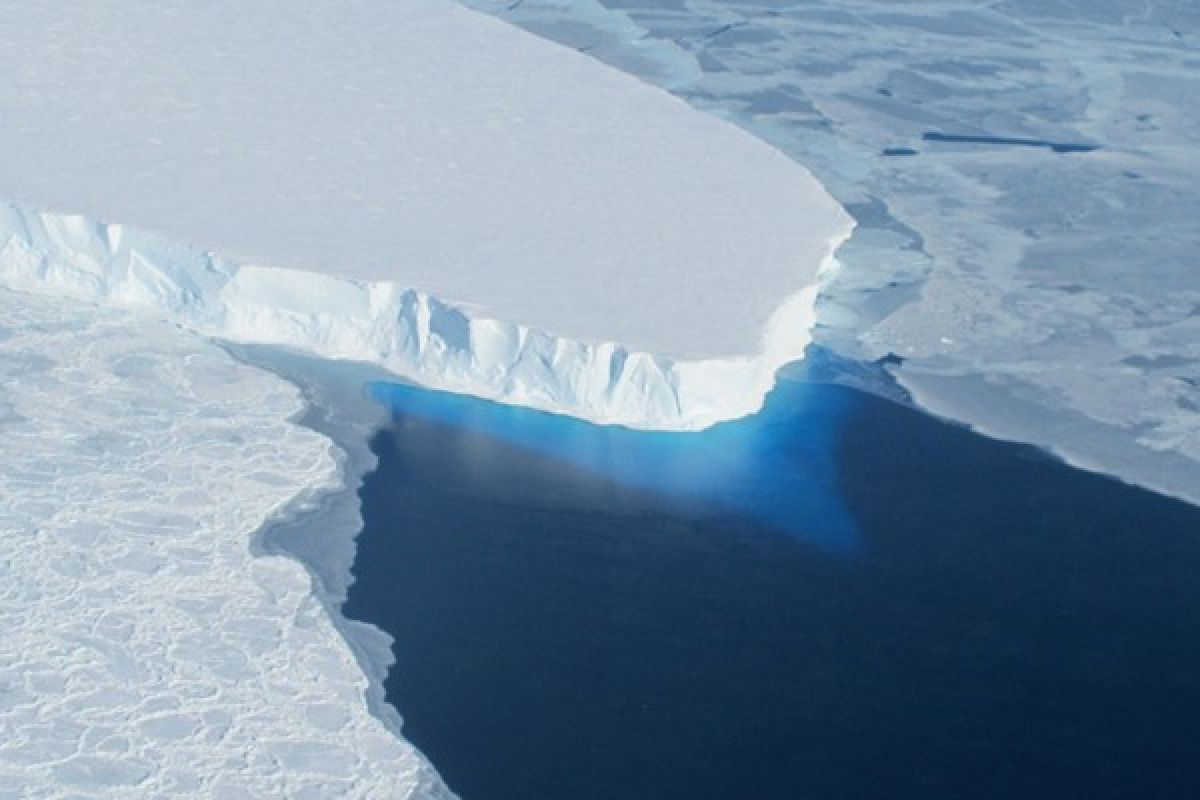
The report also notes that global warming is occurring faster in the Arctic than elsewhere, leading to continued sea ice loss in regions including the Barents, Bering, and Okhotsk Seas. The WMO report was compiled by the UK Met Office using data from global climate forecasting agencies.
Pre-industrial levels refer to the average global temperature between 1850 and 1900, before human activities and mass fossil fuel burning altered the world’s climate system. Scientists use this period as a baseline to measure temperature increases.
The 1.5°C threshold is critical in climate change discussions as it is considered the key limit to prevent worse impacts such as extreme heatwaves, sea level rise, droughts, stronger storms, crop failures, and ecosystem damage. (Ant/E-3)