
Global Oil Prices Surge, Rupiah Weakens to Rp17,611 per US Dollar
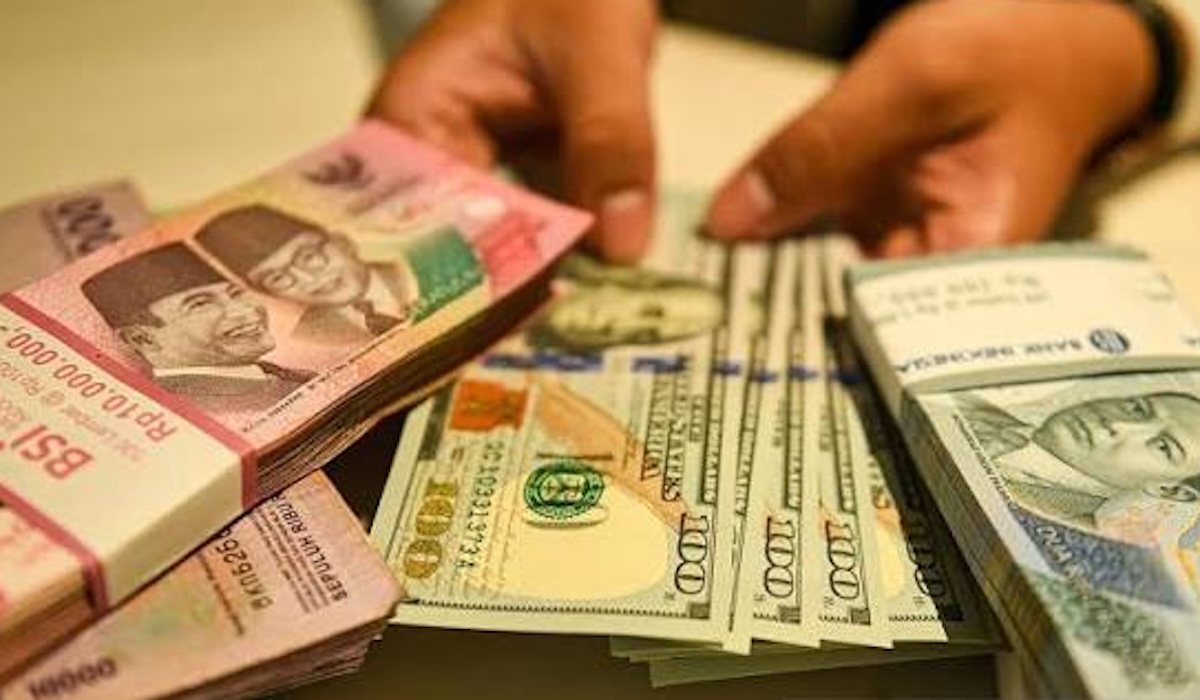
The Rupiah closed weaker by 64 points at the level of Rp17,611 per US dollar in Friday (11/9) trading, triggered by volatility in global crude oil prices which surpassed US$100 per barrel. This represents a decline from the previous close of Rp17,547 per US dollar.
Currency and commodity observer, Ibrahim AssuaIbi, projects that for the upcoming Monday (14/9) trading, the Rupiah will move fluctuantly but tend to close weaker within the range of Rp17,610 to Rp17,650 per US dollar. For the coming week, the domestic currency is expected to fluctuate between Rp17,500 and Rp17,850.
Ibrahim explained that Indonesia’s position as a net oil importer presents a heavy challenge to fiscal resilience. The surge in crude oil prices above the state budget’s macro assumption (ICP) automatically inflates the budget allocation for energy subsidies and compensation, such as for Pertalite, Solar, and 3kg LPG.
“The main impact and the emerging fiscal burden is the swelling of subsidies, which increases the state budget burden and triggers deficit risks,” Ibrahim stated on Friday (11/9).
As a net importer, Indonesia must import large quantities of oil using US dollars. The high price of this commodity causes the demand for foreign currency to surge sharply, which ultimately pressures the Rupiah exchange rate and risks triggering imported inflation.
The government is now faced with a policy dilemma. Maintaining fuel subsidies risks breaching the fiscal budget, but raising retail fuel prices could trigger high inflation, reducing public purchasing power and slowing economic growth.
Although Indonesia benefits from the rise in prices of other export commodities such as coal and CPO (windfall revenue), Ibrahim assesses that such revenues are often insufficient to cover the losses resulting from high crude oil import costs.
The government has set the August 2026 ICP at US$89.43 per barrel, an increase of US$7.75 due to geopolitical risks in the Strait of Hormuz and the Red Sea.
Brent oil prices surged to US$105 due to Middle East conflicts, triggering an increase in US bond yields and a fall in global stock markets.
HSBC projects that the global oil market will remain unbalanced until 2027 due to Middle East conflicts. Brent prices have the potential to break through US$120 per barrel.
Military escalation between the US and Iran has increased after at least seven oil tankers were attacked in the Persian Gulf. Oil prices briefly breached US$100 per barrel.
Houthi rebels attacked Saudi Arabian oil infrastructure, injuring 73 people. Brent oil prices broke through US$100 per barrel amidst threats of expanding conflict.
The National Electric Motorcycle Programme (Molinas) is projected to save fuel subsidies by Rp82.2 trillion until 2037 and create 215,000 new jobs.
Jakarta Governor Pramono Anung Wibowo aims for 10,000 electric buses to be operational by 2030 to reduce pollution and save billions of rupiah in fuel subsidies.
The government must prepare mitigation steps and fiscal buffers to anticipate the increase in energy subsidies in the 2027 Draft State Budget (RAPBN).
The government has allocated Rp272.95 trillion for energy subsidies in the 2027 Draft State Budget, a 20.1% increase from 2026. The focus is on the targeted transformation of 3kg LPG and electricity subsidies.
The government’s plan to limit the purchase of subsidised Pertalite fuel is assessed to have a significant economic impact on the public.
Source: jawawa.id (https://jawawa.id/newsitem/global-oil-prices-surge-rupiah-weakens-to-rp17-611-per-us-dollar-1789120460)
Originally published by Media Indonesia (https://mediaindonesia.com/ekonomi/932314/harga-minyak-dunia-melonjak-rupiah-melemah-ke-rp17611-per-dolar-as), translated from Indonesian