
Global Oil Prices Surge, but Government Vows Not to Raise Subsidised Fuel Prices
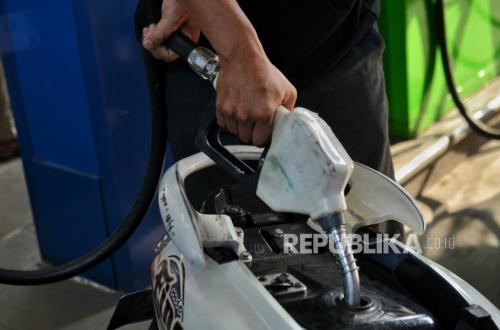
The government has reaffirmed its commitment to keeping subsidised fuel prices unchanged amid volatility and a surge in global crude oil prices.
It says the state budget (APBN) can absorb the pressure from higher oil prices through the end of the year. The assurance was given by ministers responsible for the issue.
Energy and Mineral Resources Minister Bahlil Lahadalia said the government was continuing to assess the rise in global crude prices, measured by the Indonesian Crude Price (ICP), which could increase the amount needed for energy subsidies. Nevertheless, the government remains committed to maintaining subsidised fuel prices.
“What we are currently assessing is the rise in the global ICP. As the global ICP continues to rise, it is highly likely to increase the need for additional subsidy funding,” Bahlil said after a plenary Cabinet meeting at the State Palace in Jakarta on Wednesday (21 October 2026), marking two years of President Prabowo Subianto and Vice-President Gibran Rakabuming Raka’s administration.
Bahlil stressed that higher global oil prices would not change the government’s commitment to keeping subsidised fuel prices unchanged. Budget adjustments would be made through the state budget. “However, the government is committed to not raising subsidised fuel prices. There will be no increase,” he said, according to a press release.
Bahlil added that the average ICP currently stood at US$92 a barrel, while the state budget assumes a crude oil price of around US$70 a barrel. The government is calculating the impact of the difference.
If current conditions persist, the government estimates that the ICP could remain below US$100 a barrel, helping keep the budgetary burden manageable.
“Our target is that, if these conditions continue, the ICP may remain below US$100 a barrel. So it is relatively under control. There will be no increase in subsidised fuel prices,” he said.
Coordinating Minister for Economic Affairs Airlangga Hartarto echoed Bahlil, saying the state budget could absorb the impact of relatively high oil prices. He said the government was supported by adequate state revenues.
Airlangga said the oil bought by the government currently cost around US$91–92 a barrel and was projected to average US$95 a barrel through the end of the year. “The geopolitical situation will not change as we enter next year. But for this year, the oil price we are buying is around US$91 or US$92, and the average is expected to be US$95 by year-end. From the perspective of the state budget, we can absorb this,” he said.
Source: jawawa.id (https://jawawa.id/newsitem/global-oil-prices-surge-but-government-vows-not-to-raise-subsidised-fuel-prices-1792630264)
Originally published by Republika (https://ekonomi.republika.co.id/berita/tna72a423/harga-minyak-dunia-melonjak-pemerintah-janji-bbm-subsidi-tak-naik), translated from Indonesian