
Global Oil Prices Struggle to Fall Below US$100 as Supplies Tighten
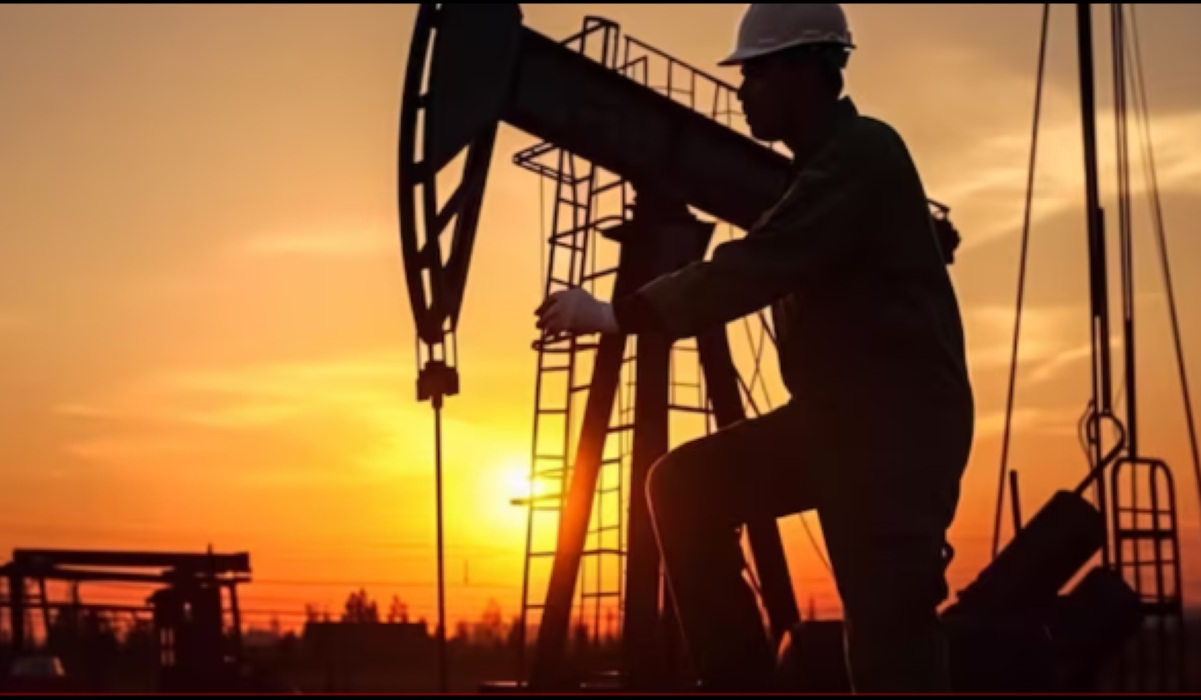
The global oil market is currently in a vulnerable position as supply security buffers continue to dwindle. Analysts predict that oil prices will struggle to drop below the US$100 per barrel level in the near future, following intensive efforts by Saudi Arabia to restore strategic pipelines damaged by attacks.
The closure of the East-West pipeline by Saudi Arabia—a crucial network transporting crude oil from Abqaiq on the eastern Gulf coast to the port of Yanbu in the Red Sea—has placed 4 million barrels per day at risk. This situation has triggered a sharp surge in crude oil prices in international markets.
This situation serves as bad news for global consumers, particularly amidst rising tensions between the United as States and Iran, Houthi ground attacks along the Red Sea coast, and a new wave of attacks against Saudi energy infrastructure.
In Tuesday morning trading (15/9), Brent crude futures for November delivery rose 0.6% to US$106.29 per barrel. This increase extends an upward trend following a surge of more than 21% over the past month.
Meanwhile, US West Texas Intermediate (WTI) crude for October delivery traded up 1.2% at US$102.61. This contract has increased by more than 25% in the last month and has surpassed the US$100 mark for the first time since last May.
Saudi Arabia temporarily closed the East-West pipeline last Friday as a precautionary measure following drone attacks launched from Iraq. Satellite imagery from Vantor shows damage caused by fire and extensive black areas around the pipeline’s pumping stations following the attacks on 11 September 2026.
Analysts warn that the oil market’s safety net, in the form of global reserve stocks, is evaporating rapidly. Paul Gooden, head of natural resources at Ninety One, stated that inventories have decreased by approximately 1 billion barrels due to the prolonged Middle East conflict.
Damage to the 750-mile (approximately 1,207 km) pipeline is forcing oil flows to be diverted back through the Strait of Hormuz, a waterway that is currently highly volatile and operating at only half its normal capacity due to the conflict.
Andy Lipow, President of Lipow Oil Associates, estimates that repairs to the damaged pumping stations could take months. Furthermore, Laura James from Oxford Analytica highlighted that even if the pipeline is successfully repaired, the threat in the Red Sea and Bab al-Mandab routes remains high due to regional pressure to halt oil outflows from the area.
Currently, Gulf nations are reported to be undertaking serious mobilisation to address this supply crisis, including indications of diplomatic preparations between Oman and Iran to ease tensions in major distribution routes.
HSBC projects that the global oil market will remain imbalanced until 2027 due to the Middle East conflict, with Brent prices potentially breaching US$120 per barrel.