
Global Oil Prices Forecast to Ease Next Year, with Implications for the Economy
SABANG — Bank Danamon forecasts that global crude oil prices could decline in 2027 as geopolitical tensions ease and global supply improves.
Brent crude is expected to fall to US$85 a barrel next year, from a projection of around US$95 a barrel in 2026. The decline is expected to reduce pressure on the global economy.
Bank Danamon Lead Economist Irman Faiz said global oil prices remained heavily influenced by geopolitical developments, particularly the conflict between the United States and Iran. However, prices could fall if diplomatic efforts between the two countries continue and disruptions to global energy supplies begin to be resolved.
“If, for example, geopolitical tensions de-escalate and refineries closed because of the conflict reopen, OPEC+ countries could catch up with production, so the oil market would then be oversupplied,” Irman said in a presentation on Thursday (5 October 2026).
He explained that OPEC+ member countries had committed to maintaining oil production at a level above projected demand in 2027. This could create a surplus if global oil distribution returns to normal.
At present, demand exceeding supply is partly driven by disruptions to global oil supply chains caused by geopolitical conflict. Some countries have also begun drawing on their oil reserves to meet energy needs amid constrained supplies.
However, if the conflict eases and previously affected refineries resume operations, oil supplies could increase. This is also expected to gradually improve global oil inventories.
“So this is what we expect next year: conditions should improve,” Irman said. Market participants were advised to remain alert to developments.
As an indication of recent market conditions, Brent crude traded volatilely on Thursday (5 November 2026). After trading at around US$93.63 a barrel in the morning session in Beijing, it rose to US$97.56 a barrel at 14:17 GMT.
Meanwhile, West Texas Intermediate crude stood at US$89.85 a barrel. The price movements showed that the market was still responding to uncertainty surrounding geopolitical developments in oil-producing regions.
Irman said a potential decline in global oil prices would affect global inflation. However, consumers in various countries would not feel the impact immediately.
It takes time for a fall in crude prices to feed through to refined energy products. The pass-through process is considered lengthy in the downstream sector.
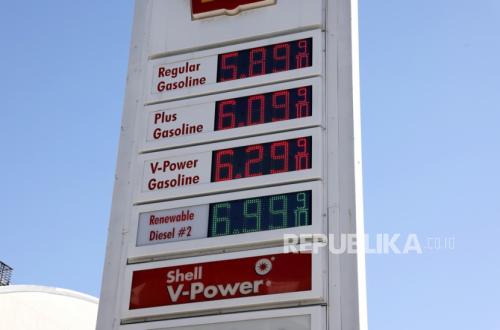
He cited diesel prices in the United States, which had risen far more sharply than crude oil prices. The situation was driven not only by higher raw material costs but also by disruption to logistics and refinery operations.
“Unfortunately, the impact on consumer-level inflation may be more gradual,” he said. Bank Danamon continues to conduct in-depth assessments of its economic forecasts.
According to Irman, crude oil is an upstream product, while the products consumed by the public are downstream products. Crude oil must therefore be processed and distributed before lower prices are reflected in the cost of energy products.
Source: jawawa.id (https://jawawa.id/newsitem/global-oil-prices-forecast-to-ease-next-year-with-implications-for-the-economy-1793893886)
Originally published by Republika (https://ekonomi.republika.co.id/berita/to1c6r370/harga-minyak-dunia-diproyeksi-melandai-tahun-depan-ini-dampaknya-pada-ekonomi), translated from Indonesian