
Global Oil Prices Fall to Pre-War Levels, but Strategic Stock Replenishment Remains Critical
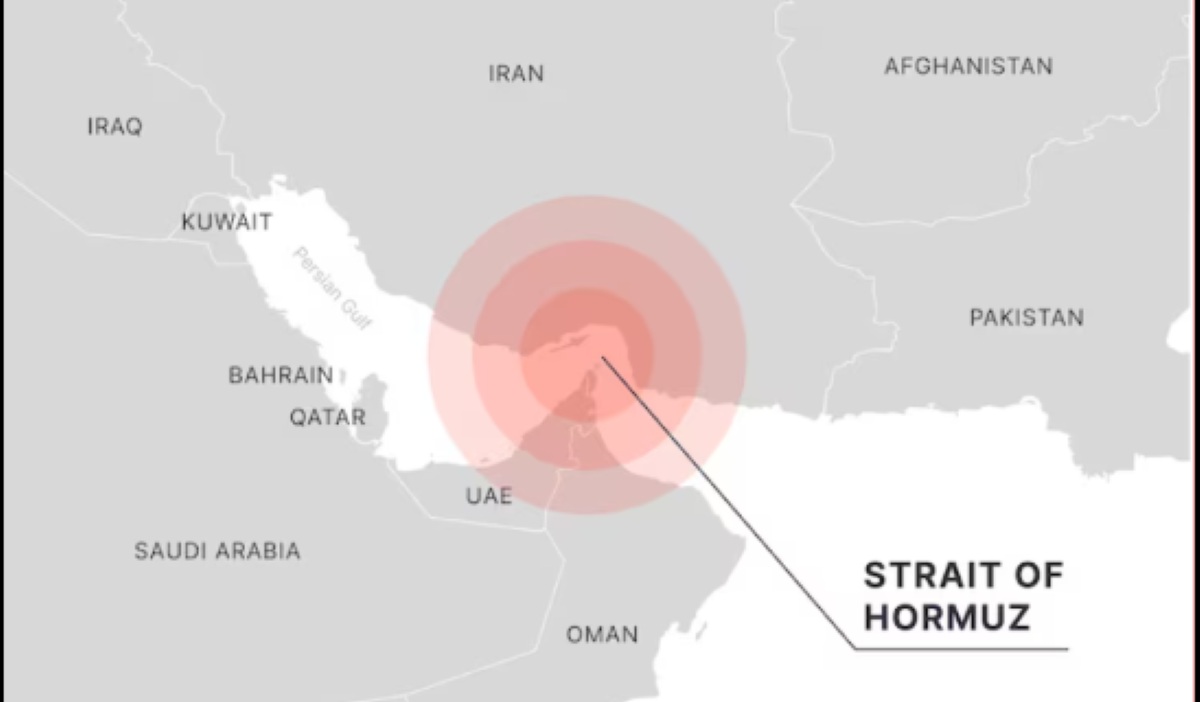
World oil prices have slumped back to pre-war levels, coinciding with the recovery of tanker traffic through the Strait of Hormuz and the reactivation of wells by Gulf producers. However, a major challenge still looms over global economic stability: the replenishment of global oil inventories, which is expected to take much longer.
The availability of global oil stocks has become a central factor in the power dynamics between the United States and Iran. The speed at which nations can refill their crude oil buffers will determine Iran’s ability to threaten the world economy by holding the Strait of Hormuz hostage.
US Vice President JD Vance explicitly linked oil storage to negotiating leverage. In a recent interview, he mentioned that a memorandum of understanding with Iran allows the world to partially refill stocks to strengthen its bargaining position at the negotiating table, particularly regarding Tehran’s nuclear issue.
The current situation is quite alarming. Inventories in OECD countries fell by 163 million barrels from March to May, reaching their lowest level since December 1990. Although oil prices are currently around US$70 per barrel and are predicted to potentially fall to US$60, the process of refilling strategic reserves is expected to take months to years.
Natasha Kaneva of JPMorgan noted a surprising surge in oil supply. “The surge in oil supply will collide with a market that, at least for now, does not need it,” she said. This is driven by several factors.
Despite the abundant supply, replenishing reserves will not happen overnight. Hamad Hussain from Capital Economics estimates it will take 15 to 18 months to return the US Strategic Petroleum Reserve to pre-war levels at a purchase rate of 200,000 barrels per day.
On the other hand, China, which holds massive reserves of between 1 billion and 1.4 billion barrels, appears to be in no hurry to refill. Vortexa data shows China’s seaborne oil imports in June reached only 6 million barrels per day, well below the previous year’s average.
Although the market currently looks calm, some analysts warn that this stability may be fragile. Neil Crosby from Sparta Commodities doubts that the end of hostilities will be permanent. For now, however, the abundant supply and downward price trend provide breathing room for the global economy, while simultaneously weakening Iran’s bargaining position in energy geopolitics.